For a secondary school lunchbox, start by choosing what matters most: a rich dark chocolate taste, an easy-to-carry portion or avoiding gluten if needed. The words ‘dark chocolate’ don’t guarantee a specific cocoa content or mean a product is free from allergens, so check the ingredients, the portion you’re packing and the nutritional information too. For children aged 4–17, Manger Bouger recommends limiting sugary and fatty foods as part of their daily diet and varying their snacks.
Who are these options for?
Fans of rich dark chocolate
If chocolate flavour is your priority, compare the coating, chocolate chips or other forms of chocolate, then check the proportion stated on the label. The term ‘dark chocolate’ alone doesn’t give you a comparable measure of cocoa intensity.
Parents packing a lunchbox
Individually wrapped portions save you having to divide up the biscuits before you leave. Check how many biscuits are in each pack, though, as pack sizes vary between products.
Families who need to avoid gluten
A gluten-free option meets this specific requirement, but you’ll still need to check its other ingredients and allergens. If you’re packing it for secondary school, also take into account any arrangements the school has in place for the pupil.
Which criteria should you check first?
For a secondary school lunchbox, start with your main requirement, then check the other details on the packet that matter to the pupil.
| Criteria |
What to check |
Who is it for? |
| Dark chocolate taste |
The form of chocolate and its proportion, if stated. |
If I’m looking for a particular chocolate flavour, I want to tell the difference between a coating and chocolate chips before choosing. Dark chocolate flavour is the top priority for around 33% of consumers. |
| Easy-to-carry pack |
Whether it comes in individual packs and how many biscuits are in each one. |
When I’m packing a lunchbox in a hurry, I prefer a portion that’s already divided up, without assuming that each pack contains just one biscuit. Convenience is the top priority for around 25% of consumers. |
| Allergens and gluten |
The ingredients and allergens on the packet; any arrangements at the school, if applicable. |
If a pupil needs to avoid gluten or another allergen, I need a recipe that suits their needs. Around 25% of consumers put this compatibility first. |
| Nutritional information |
Sugars, fat, fibre and salt per 100 g, then the amount you’re packing. |
When comparing biscuits for the same purpose, I want to compare their nutritional values on a like-for-like basis rather than rely on the word ‘dark’. This is the main priority for around 17% of consumers. |
Mistakes to avoid
-
Assuming all ‘dark chocolate’ biscuits have the same ingredients
Dark chocolate biscuits can differ in their ingredients and nutritional values. The type of chocolate doesn’t tell you everything about the recipe.
Compare the ingredients and nutritional information per 100 g, then check how much you’re actually packing.
-
Forgetting about allergens in a lunchbox
The products reviewed may contain wheat, milk, soya or eggs, among other ingredients, or carry a warning that they may contain traces. According to France’s Ministry of National Education, an individualised support plan (PAI) can set out dietary adjustments for a pupil who needs them.
Read the packaging on the product you buy, and check the school’s arrangements and the PAI, if there is one.
-
Confusing ‘gluten-free’ with ‘free from other allergens’
The Chaque Jour Sans Gluten gluten-free shortbread listed by E.Leclerc contains butter. Its Nutri-Score E doesn’t replace checking the ingredients or nutritional information.
Check other allergens, the ingredients and the information on the packet separately.
-
Assuming all individual packs contain the same amount
Auchan’s product listing says its dark chocolate-coated shortbread comes in packs of four biscuits; St Michel says its Galettes gourmandes au chocolat noir come in packs of three.
Before packing the lunchbox, check how many biscuits are in each pack and the nutritional information for the portion you’ve chosen.
Brands to know
LU / Granola
A dark chocolate-coated shortbread option for anyone who prefers to divide up a larger pack themselves.
- Granola’s product listing on Auchan says the coating contains 27% dark chocolate.
- This product doesn’t come in individual packs. It contains wheat, milk and soya, and may contain nuts.
St Michel
The Galette gourmande au chocolat noir offers a different type of biscuit, in a pre-portioned pack.
- St Michel says this product contains four packs of three biscuits each, with 21% dark chocolate.
- Its recipe includes wheat, butter, eggs, milk and soya, among other ingredients, and may contain traces of nuts and sesame.
Auchan
Its individually packed dark chocolate-coated shortbread could be a good fit if packaging is an important factor.
- The product listing says this product contains four packs of four biscuits, with 27% dark chocolate and 11% wholemeal wheat flour.
- It contains wheat, butter and soya, and may contain traces of eggs and nuts.
Chaque Jour Sans Gluten / E.Leclerc
A dark chocolate-coated shortbread option to consider when gluten needs to be avoided.
- The recipe listed by E.Leclerc uses maize and tapioca, among other ingredients, instead of wheat flour.
- It contains butter and has a Nutri-Score E. Check availability with your chosen E.Leclerc store.
Céréal Bio
A dark chocolate biscuit with wholegrains and chocolate chips, rather than a simple chocolate coating.
- The product listing on Auchan mentions wholemeal wheat flour, oats and three packs of four biscuits.
- The recipe contains cereals with gluten; the listing also says that other allergens are handled in the production facility.
Dark chocolate biscuits to explore on Joybuy
These dark chocolate biscuits could be considered for a secondary school lunchbox. If you’re specifically looking for shortbread, check the product description; also check the packaging and allergens before you choose.
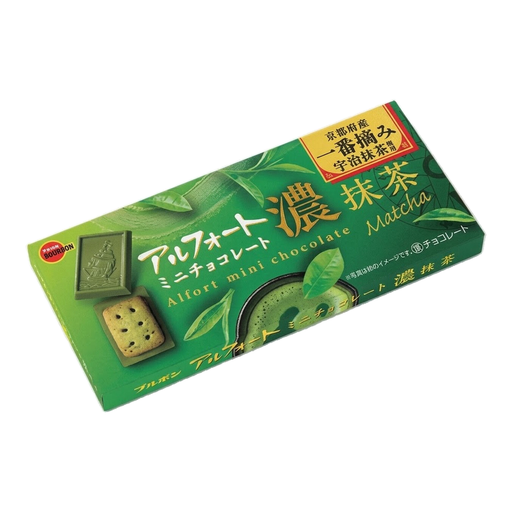 Image unavailable
Bourbon Alfort Mini Chocolate Dark Matcha, 12 pieces, 60 g
Worth considering if you’re looking for a biscuit combining dark chocolate and matcha to take to secondary school. The pack is listed as containing 12 pieces and weighing 60 g. Check how each piece is packaged and the product description if you’re specifically looking for shortbread. The listing mentions wheat, milk and soya, and possible traces of nuts and eggs; check the packaging to make sure it meets the pupil’s needs.
View on Joybuy
 Image unavailable
PETIT ECOLIER Dark chocolate, 150 g
Worth considering if you prefer a dark chocolate biscuit and want to choose how much to put in the lunchbox yourself. The pack is listed as weighing 150 g; check how many biscuits it contains, how they’re packaged and the product description if you specifically need shortbread. The listing mentions wheat, milk and soya. Also check the packaging for any warnings about traces.
View on Joybuy
Frequently asked questions
Do dark chocolate shortbread biscuits always contain gluten?
No: it depends on the recipe. Several of the classic options featured here contain wheat, while E.Leclerc lists a gluten-free dark chocolate-coated shortbread. Check the exact product packaging, especially if other allergens also need to be avoided.
How can you plan a special snack at secondary school if a pupil has a food allergy?
In France, an individualised support plan can set out dietary adjustments for a pupil who needs them. The Ministry of National Education explains that the family, school and relevant healthcare professionals work together to put one in place. Check the arrangements that apply to the pupil with their school.
What should you check on the packet before packing a lunchbox?
Start with the ingredients and allergens, then check the nutritional information, portion size and storage instructions. France’s DGCCRF reminds consumers that allergens present in the ingredients of prepacked foods must be clearly highlighted.
Is ‘dark chocolate’ enough to help you choose a snack?
No: on its own, it doesn’t tell you everything about the recipe or how much you’re packing. For children aged 4–17, Manger Bouger recommends varying their snacks and limiting sugary and fatty foods as part of their daily diet.


