What should you look for?
When choosing a biscuit to serve with coffee in a hotel, start with what matters most to you: the chocolate recipe, portion size, nutritional comparison or ingredients.
| Criteria |
What to check |
Who is it for? |
| Dark chocolate |
The product name and the proportion of dark chocolate in the biscuit, which is different from the cocoa percentage of the chocolate. |
With a strong coffee, I’d rather choose a recipe that states how much dark chocolate it contains than one described simply as ‘chocolate flavour’; around 36% of consumers make this their priority. |
| Portion size |
The number of packs and biscuits in each pack, followed by the storage instructions on the packaging. |
If I’m preparing coffee trays for guest rooms, individually wrapped portions make serving easier; around 29% of consumers prioritise this format. |
| Nutritional information |
The nutritional values per 100 g and the Nutri-Score, if it’s shown on the product. |
When comparing several biscuits, I want to be able to check their sugars, fat and fibre on the same basis; around 21% of consumers prioritise this comparison. |
| Ingredients and allergens |
The ingredients list, highlighted allergens and any ‘may contain’ statements. |
If I’m serving a customer who needs to avoid certain ingredients, I must check the packaging of the biscuit I’ve chosen; around 14% of consumers make this their priority. |
Brands to know
These examples refer to specific products, not every biscuit made by each brand.
LU
Petit Écolier dark chocolate combines a dark chocolate tablet with a biscuit base, making it a good match for coffee.
- The Joybuy listing for this product states that it contains 45% dark chocolate.
- The recipe contains wheat, milk, soya, palm oil and coconut oil.
St Michel
Galette gourmande chocolat noir is a good choice when you need individually wrapped portions.
- St Michel states that this box contains four individual packs of three biscuits.
- This product contains gluten, milk, soya and egg. Check the packaging for any ‘may contain’ statements, too.
BN
The filled biscuit reviewed is a match if you’re looking for a ‘chocolate flavour’ biscuit, not one specifically made with dark chocolate.
- The Auchan listing for this product mentions low-fat cocoa.
- It isn’t described as a dark chocolate biscuit. The recipe contains wheat, rye, barley and milk.
Carrefour Bio
The filled snack biscuit reviewed combines dark chocolate with wholemeal flour.
- The Carrefour listing states that it contains 15.9% dark chocolate and 15% wholemeal flour.
- This biscuit contains wheat and milk. Check the packaging of the product you buy for allergens and its Nutri-Score.
Bio Village (Marque Repère / E.Leclerc)
The organic chocolate tablet biscuit reviewed is worth considering if you’re looking for a recipe that states its dark chocolate content.
- The E.Leclerc listing states that it contains 48% dark chocolate.
- The same product has a Nutri-Score E and contains palm oil. Neither the organic label nor the chocolate content tells you everything about its nutritional information.
Auchan Bio
The wholegrain oat biscuit with dark chocolate chips offers individually wrapped portions and a displayed Nutri-Score.
- The Auchan listing states that it contains three packs of four biscuits and has a Nutri-Score C.
- It contains 9% dark chocolate chips. Check the ingredients if chocolate content is your top priority.
Two biscuits to consider on Joybuy
These two products suit different priorities when serving coffee: individually wrapped dark chocolate biscuit sticks, or a chocolate tablet biscuit with a stated dark chocolate content.
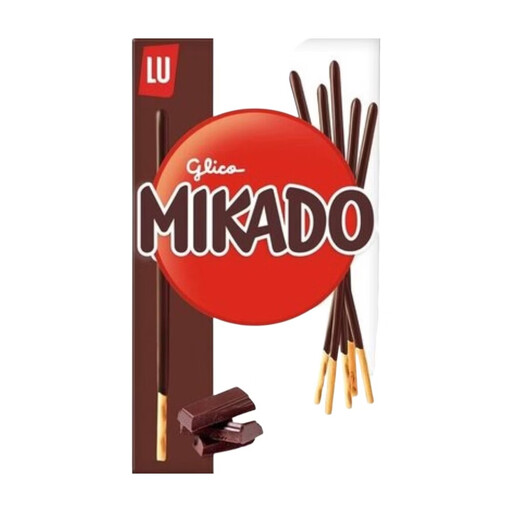 Image unavailable
Mikado Dark Chocolate 75 g
These biscuit sticks are coated in dark chocolate and individually wrapped, making them worth considering if you’re preparing individual portions to serve with coffee.
The product information lists gluten, milk and soya, and possible traces of nuts. If the dark chocolate content or Nutri-Score is important to you, check these details on the packaging.
View on Joybuy
 Image unavailable
LU Petit Écolier dark chocolate 150 g
This chocolate tablet biscuit is a good choice if you want to know how much dark chocolate the recipe contains: the Joybuy listing for this product states that it contains 45% dark chocolate.
The recipe contains wheat, milk and soya, as well as palm and coconut oils. To compare nutritional information, check the values per 100 g and look for the Nutri-Score on the packaging, if displayed.
View on Joybuy
Frequently asked questions
Is the Nutri-Score compulsory on biscuits sold in France?
No. According to Santé publique France and the DGCCRF, the Nutri-Score is a voluntary label. It doesn’t replace the mandatory information required for pre-packed foods, including the ingredients list and nutrition declaration.
How can you tell a dark chocolate biscuit from one that’s ‘chocolate flavour’?
Check the product name and ingredients list for the exact product. The Joybuy listing for Petit Écolier dark chocolate states that the biscuit contains 45% dark chocolate, while the Auchan listing for the BN biscuit reviewed describes it as ‘chocolate flavour’.
Which format should you choose for serving a biscuit with coffee in a guest room?
Individually wrapped packs make it easier to prepare separate portions. To work out how many biscuits to put on each tray, check how many are in each pack, too: St Michel states that the Galette gourmande chocolat noir reviewed contains three biscuits per pack.
How can you check for allergens before serving?
Check the packaging of the product you’re going to serve and keep it somewhere accessible. The DGCCRF explains that allergens are highlighted in the ingredients list on pre-packed foods. Don’t assume that one biscuit has the same ingredients as another from the same brand.
Does an organic biscuit with plenty of chocolate necessarily have a good Nutri-Score?
No. The E.Leclerc listing for the Bio Village chocolate tablet biscuit reviewed states that it contains 48% dark chocolate and has a Nutri-Score E. If this rating matters to you, check the score for each product rather than assuming it from the organic label or chocolate content.


