If you’re looking for a more pronounced dark chocolate flavour at breakfast, start by choosing the style you like — whether that’s a chocolate-coated biscuit, a filled one or one topped with a chocolate square. Then check the ingredients list rather than relying on the word ‘dark’ alone. Compare the sugars per 100 g and check the allergens for the exact product you’re buying. A recipe that includes dark chocolate doesn’t, by itself, tell you how much cocoa the biscuit contains.
Who is this guide for?
Dark chocolate fans
You want to know whether a recipe actually contains dark chocolate, rather than relying on a product name. The ingredients list and the style of biscuit — coated, filled or topped with a chocolate square — can help you compare your options.
Breakfast shoppers keeping an eye on sugar
You want to compare the declared sugar content without assuming that a ‘dark’ biscuit contains less. Check the nutrition information per 100 g, then consider the portion you plan to eat.
People managing their diet or checking for allergens
Check the ingredients and any ‘may contain’ warnings on the exact pack. A ‘gluten-free’ or ‘no added sugars’ claim doesn’t, by itself, tell you about other allergens.
What should you look for?
For a sweet breakfast, start by choosing the type of biscuit you prefer, then check its ingredients against your dietary needs.
| What to check |
Look for |
Who is it for? |
| Dark chocolate and biscuit style |
Coating, filling or chocolate square; dark chocolate or cocoa paste in the ingredients. |
If I’m mainly looking for a noticeable dark chocolate flavour, I want to know how the chocolate features in the biscuit. Around 31% of consumers put this flavour and style at the top of their list. |
| Declared sugars |
The ‘of which sugars’ figure per 100 g; sweetening ingredients, including sweeteners and polyols where listed in the recipe. |
To compare what I’m adding to my breakfast, I need to know how much sugar the biscuit contains, even if it’s made with dark chocolate. Around 31% of consumers say keeping an eye on sugar is a priority. |
| Grains and fibre |
The types of grains and the proportion of wholemeal flour in the ingredients; the amount of fibre, if stated. |
I prefer a recipe that pairs chocolate with wholegrains rather than a biscuit made solely with shortcrust-style pastry. This is the main factor for around 23% of consumers. |
| Dietary requirements and allergens |
Allergens highlighted on the pack and any ‘may contain’ warnings; an explicit ‘gluten-free’ claim if you need one. |
If certain ingredients aren’t suitable for my diet, I need to check the exact product before buying it. Around 15% of consumers prioritise this compatibility. |
Common misconceptions to avoid
-
Assuming ‘dark chocolate’ means the biscuit has a high cocoa content
The amount of dark chocolate in a recipe and the cocoa content of that chocolate are two different things. The word ‘dark’ also doesn’t tell you how much sugar the biscuit contains.
Compare the ingredients and the sugars per 100 g. Only use a cocoa percentage if the packaging clearly says what it refers to.
-
Relying on the Nutri-Score alone
According to the DGCCRF, displaying it is voluntary, so it may not appear on the pack. If it is shown, it doesn’t replace the nutrition information or ingredients list.
If it’s there, use it to compare similar products, then check the figures that matter to you and the allergen information.
-
Taking ‘no added sugars’ as the whole story
A recipe carrying this claim may contain sweeteners and polyols. For example, an Auchan France listing for a Karelea biscuit states that it contains 0.8 g of sugars and 25 g of polyols per 100 g.
Read the ‘of which sugars’ figure alongside the other available nutrition information and the ingredients list.
-
Assuming ‘gluten-free’ means free from other allergens
An Auchan France listing for Schär Quadritos describes a gluten-free biscuit that also contains soya, milk and hazelnuts.
Check all allergens and any ‘may contain’ warnings on the pack of the exact product you’re buying.
Brands to compare
LU
The Granola and Mikado dark chocolate options let you compare a shortcake-style biscuit with a chocolate coating against coated biscuit sticks.
- Carrefour France listings mention cocoa paste and cocoa butter among the ingredients in the relevant recipes.
- Check the allergens for each product. The words ‘dark chocolate’ don’t tell you the cocoa percentage of the biscuit.
Bjorg
The brand offers organic biscuits filled with dark chocolate and made with wholemeal flour; some recipes combine several grains.
- Carrefour France states that one product contains 22% dark chocolate, while a crunchy variant contains 23%.
- These figures show the proportion of chocolate, not the cocoa content of the biscuit. Also check for wheat, milk and any ‘may contain’ warnings for the specific product.
Gerblé
One dark chocolate biscuit states the proportion of dark chocolate in its recipe, making it easier to understand what it contains.
- The ingredients list published by Carrefour France states that this product contains 48% dark chocolate.
- This figure doesn’t represent the cocoa content of the finished product. Check the packaging for allergens and any ‘may contain’ warnings.
Karelea
One dark chocolate-filled biscuit carries a ‘no added sugars’ claim and contains sweeteners.
- Auchan France states that this product contains 0.8 g of sugars and 25 g of polyols per 100 g.
- Compare the full nutrition information and check the ingredients and allergens. The claim doesn’t tell you everything about the recipe.
Schär
The Quadritos dark chocolate biscuit is described as gluten-free.
- This claim may suit you if avoiding gluten is a key requirement.
- The listing published by Auchan France mentions soya, milk and hazelnuts among the ingredients. Check all allergens for the exact product you’re buying.
Biscuits available on Joybuy
These biscuits give you a chance to explore different ways of enjoying dark chocolate at breakfast, including a matcha option. If cocoa content, sugars or allergens are important to your choice, compare the information on the packaging.
 Image unavailable
PETIT ECOLIER Dark Chocolate 150 g
Worth considering if you’re looking for a biscuit topped with a square of dark chocolate. To compare its cocoa flavour with other recipes, distinguish the amount of chocolate on the biscuit from the cocoa content of the chocolate. Also check the sugars and allergens on the pack.
View on Joybuy
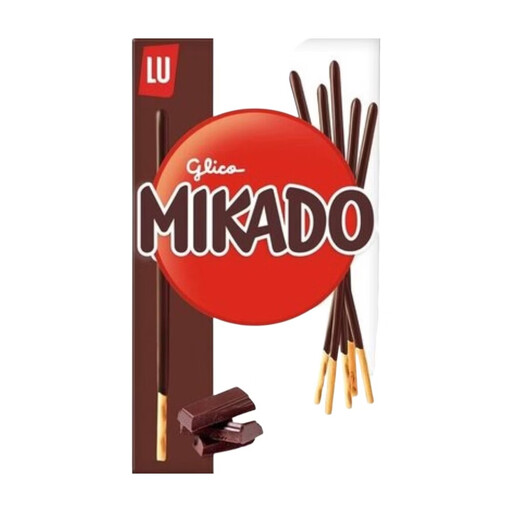 Image unavailable
Mikado Dark Chocolate 75 g
The chocolate-coated sticks may suit you if you prefer a light, crisp biscuit with dark chocolate. If a strong cocoa flavour is important to you, look for specific details on the pack. Also check the sugars and allergens.
View on Joybuy
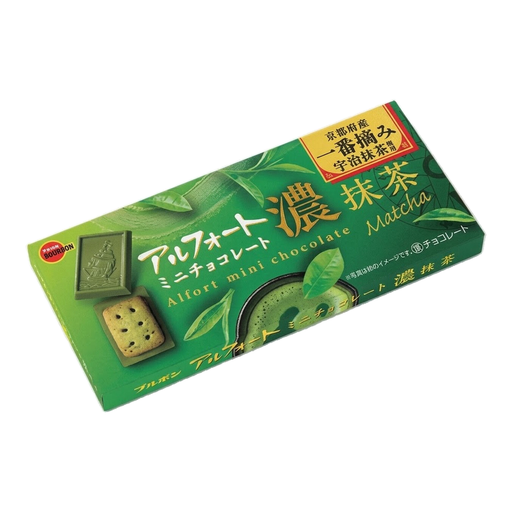 Image unavailable
Bourbon Alfort Mini Dark Chocolate and Matcha, 12 pieces, 60 g
This option combines dark chocolate with matcha. Choose it if you’re looking for this particular flavour pairing rather than a biscuit focused solely on cocoa. Check the sugars, ingredients and allergens for this product.
View on Joybuy
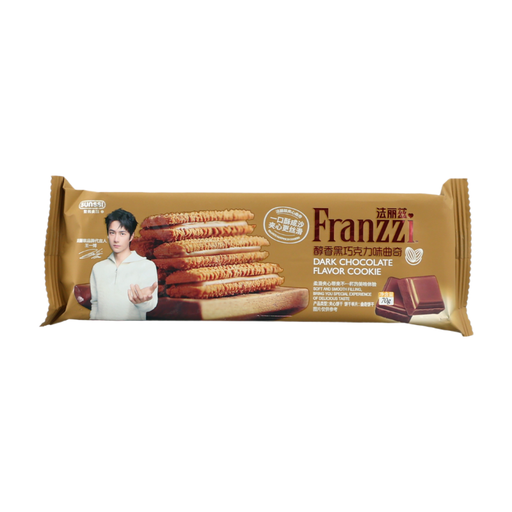 Image unavailable
Franzzi Dark Chocolate Flavour Biscuits 70 g
Worth a look if you’re after a biscuit described as dark chocolate flavour, without assuming it contains a specific amount of chocolate or cocoa. Check the sugars in the nutrition information on the pack before comparing it with other biscuits, and check the allergens too.
View on Joybuy
Frequently asked questions
Is Nutri-Score compulsory on biscuits in France?
No. The DGCCRF says that displaying Nutri-Score is voluntary. However, the European Commission says that the vast majority of prepacked foods must carry a nutrition declaration. Use this to compare sugars and fats, among other things.
How can I tell whether a biscuit will have a stronger cocoa flavour?
The words ‘dark chocolate’ alone aren’t enough to rank biscuits by flavour intensity. Look at how the chocolate features in the biscuit and check for any stated percentages. Make sure you know whether the figure refers to the proportion of chocolate in the recipe or the cocoa content of that chocolate.
Is a biscuit with no added sugars always the better choice?
No. This claim isn’t enough to compare two recipes. A biscuit with no added sugars may contain sweeteners and polyols. Check the sugars per 100 g, the other nutrition information and the ingredients before you choose.
What should I check on the label if I have an allergy?
Check the allergens highlighted in the ingredients list for the exact product. The DGCCRF highlights this labelling requirement; also check for ‘may contain’ warnings if they’re relevant to your circumstances.
Does the sugar-sweetened drinks tax apply to chocolate biscuits in France?
No. The levy described by the French Ministry of the Economy applies to sugary drinks, not solid chocolate biscuits. When choosing a biscuit, check its nutrition declaration and ingredients list instead.


