Dark chocolate lovers who enjoy tea
If you want the chocolate to stand out when you’re tasting the biscuit, compare how much it contains. Don’t confuse this with the cocoa content of the chocolate itself.


To enjoy with your tea, start by choosing the texture you like, then compare the stated proportion of dark chocolate in each biscuit. This proportion does not tell you the cocoa percentage of the chocolate or allow you to work out the nutritional values. Check the sugars, saturated fat and allergens separately on the product you choose.
If you want the chocolate to stand out when you’re tasting the biscuit, compare how much it contains. Don’t confuse this with the cocoa content of the chocolate itself.
If you’re comparing several recipes, check the nutritional information per 100 g, then consider the portion that suits how you’ll enjoy them. Sugars, saturated fat and fibre tell you more than the words ‘dark chocolate’ alone.
If you need to avoid an ingredient, check the label on the specific biscuit, including any possible traces. Dark chocolate doesn’t mean the finished product is free from wheat, milk or soya.
For a tea break, start with what matters most to you, then use the label to compare biscuits with a similar texture and format.
| Criterion | What to check | Who is it for? |
|---|---|---|
| Dark chocolate content | The proportion of dark chocolate in the biscuit and, if listed separately, the cocoa percentage of that chocolate. | With my tea, I want the dark chocolate to stand out, rather than relying on the word ‘dark’ alone. Around 33% of consumers put a noticeable chocolate flavour first when choosing. |
| Nutritional values | Sugars, saturated fat and fibre per 100 g, then the portion you’re considering; check for polyols in sweetened recipes. | Before choosing a biscuit, I want to compare what the recipes actually contain rather than relying on claims on the front of the pack. Around 27% of consumers say checking the ingredients and nutrition is their main priority. |
| Allergens and traces | Highlighted ingredients and any ‘may contain’ statements on the packaging of the product you choose. | If I need to avoid an ingredient, the chocolate’s name isn’t enough: I need to check the whole biscuit. For around 20% of consumers, this suitability comes before other criteria. |
| Texture and format | The type of biscuit — plain, coated or filled — and packaging that suits serving or carrying it around. | Whether I’m serving biscuits with tea or taking them out with me, I choose a texture and pack size that work for me. Around 20% of consumers make this practical choice their priority. |
The dark chocolate percentage tells you how much of this ingredient is in the biscuit. It doesn’t necessarily tell you the cocoa content of the chocolate used.
If you’re looking for a specific cocoa content, check whether it’s stated separately on the packaging instead of trying to infer it from the proportion of chocolate.
Auchan’s product information for Karéléa filled biscuits states 0.8 g of sugars, but also 25 g of polyols per 100 g. So one claim alone doesn’t tell you everything about the recipe.
Before choosing a sweetened recipe, compare the nutritional information per 100 g, the portion size and the ingredients list.
Product information for several dark chocolate biscuits, including LU Pépito and Carrefour Classic’ at Carrefour, lists milk among the ingredients.
If you need to avoid an ingredient, check the allergens and any possible traces on the pack you receive.
These examples showcase different dark chocolate biscuit recipes; the figures relate to the products mentioned, not to each brand’s entire range.
According to Carrefour’s product information, Pépito coated in dark chocolate combines a biscuit with a chocolate coating and comes in two packs of 10 biscuits.
A dark chocolate biscuit whose Carrefour product information lets you compare its ingredients and nutritional values.
The dark chocolate tablet biscuit listed by E.Leclerc offers figures you can compare with other recipes.
This biscuit coated in dark chocolate is an option for anyone looking to compare a recipe made with organic ingredients.
Bjorg’s organic biscuits filled with dark chocolate offer a different texture from a chocolate-coated biscuit.
These dark chocolate or dark chocolate-flavoured biscuits are options to consider for enjoying with tea. They come in different formats; if cocoa content or nutritional values are important to you, check the details for the exact product.
 Image unavailable
Worth considering if you prefer a biscuit topped with dark chocolate to enjoy with tea. The pack is listed as 150 g; to compare its recipe with other biscuits, check the packaging for the chocolate content, nutritional information and allergens.
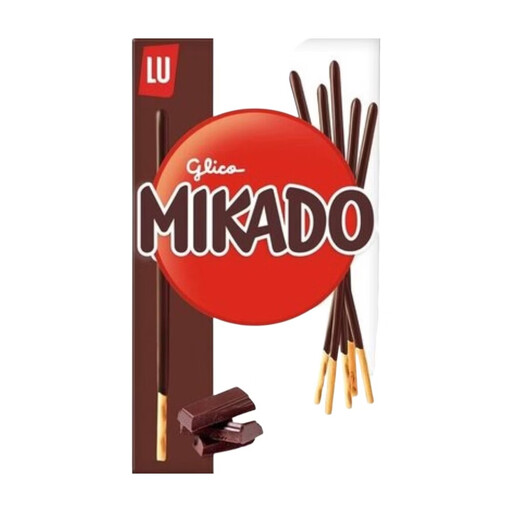 Image unavailable
Mikado’s format could suit you if you’re looking for biscuit sticks to enjoy with your tea. The pack is listed as 75 g; if the intensity of the dark chocolate matters to you, check its proportion and cocoa content on the packaging, along with the allergens.
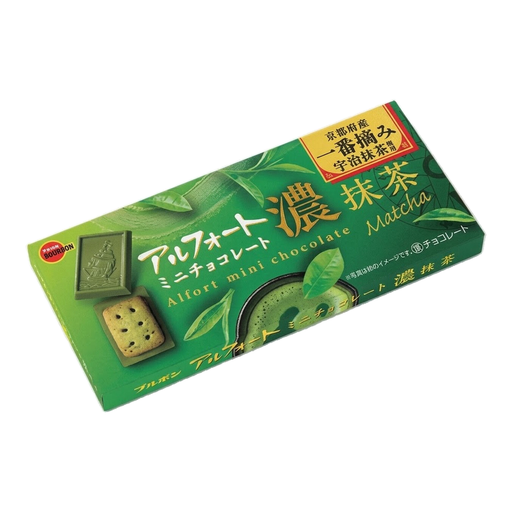 Image unavailable
Consider these if you’d like to pair your tea with a dark chocolate and matcha option. The pack lists 12 pieces totalling 60 g; check the chocolate ingredients and allergens if these are important to you.
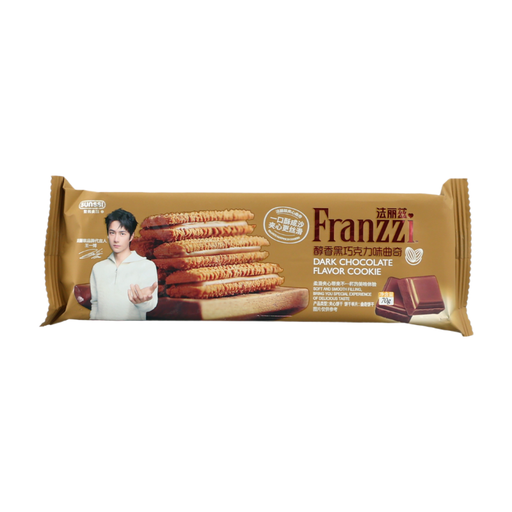 Image unavailable
This dark chocolate-flavoured option is worth considering for a tea break, but its name doesn’t mean it contains a specific proportion of dark chocolate. The pack is listed as 70 g; check the packaging to compare the ingredients, nutritional values and allergens.
No. The Ministry of the Economy describes this tax as applying to sugary drinks, not as a way to compare dark chocolate biscuits. When choosing between biscuits, check their sugar content in the nutritional information instead.
No. If shown, it can help you compare products, but it doesn’t tell you about allergens or the proportion of dark chocolate. The Ministry of Health describes it as information about overall nutritional quality; check the ingredients and nutritional values too.
No. Carrefour’s product information for LU Pépito and Carrefour Classic’, among others, lists milk in these dark chocolate biscuits. If you need to avoid it, check the ingredients and any possible traces on the packaging of the product you buy.
Follow the instructions on the pack you have. For its Karéléa biscuits filled with dark chocolate, Auchan’s product information advises keeping them in a cool, dry place. This product-specific advice doesn’t replace the instructions for other products.