What should you look for?
Start with the factor that will shape how you serve them: ingredients that let you assess the chocolate, ready-to-serve portions or allergen information that’s easy to find.
| Factor |
What to check |
Who is it for? |
| Chocolate content |
Distinguish the proportion of chocolate in the biscuit from the cocoa percentage of that chocolate; note the cocoa percentage if it’s stated. |
If I’m looking for a pronounced cocoa flavour with espresso, I want to be able to assess the chocolate used rather than rely on its name. Around 40% of consumers put this check first. |
| Portions |
Check whether the biscuits come in individual sachets and how many there are in each one. |
When preparing room-service trays, I prefer to know how many biscuits I’m opening and serving each time. Ease of service is the main priority for around 30% of consumers. |
| Ingredients and allergens |
Read the ingredients list and allergen information; keep details that correspond to the batch being served. |
When the biscuits are served without their box, I still need to be able to answer questions about their ingredients accurately. Around 30% of consumers prioritise this information. |
Brands to know for this type of biscuit
These products illustrate different ingredient and packaging choices. A brand’s inclusion here doesn’t indicate that its products are available on Joybuy.
Gerblé
A dark chocolate biscuit whose Carrefour listing gives the amount of chocolate in the recipe and suggests serving it with coffee or tea.
- The listing states that the biscuit contains 48% dark chocolate.
- This proportion doesn’t tell you the chocolate’s cocoa percentage. Also check the allergen information for the product being served.
Céréal Bio
Organic shortbread biscuits with dark chocolate chips, sold, according to Carrefour, in six sachets containing two biscuits each.
- The listing states that the recipe contains 16.7% chocolate chips and 2.8% low-fat cocoa powder.
- These figures don’t tell you the cocoa percentage of the chocolate chips. The ingredients include wheat, oats and barley, among other things.
St Michel
St Michel describes two different products: a rich, all-butter Galette with a dark chocolate centre, and shortbread biscuits with chocolate chips.
- The brand’s descriptions let you choose between a filled galette and chocolate-chip shortbread biscuits.
- Before choosing either product for hotel coffee service, check the exact packaging and any cocoa percentage that matters to your choice.
LU
Granola dark chocolate biscuits are shortbread biscuits coated in chocolate, rather than shortbread with chocolate chips or a filled galette.
- Auchan’s listing describes a 195 g pack containing 16 biscuits.
- The listing says they aren’t individually wrapped. A dark chocolate coating doesn’t tell you its cocoa percentage.
Biscuits available on Joybuy
This selection brings together dark chocolate biscuits and a matcha-flavoured option to serve with coffee. It includes biscuit sticks and other types of biscuits: not all are shortbread, and the word ‘dark’ in a product name doesn’t by itself confirm a high cocoa content.
 Image unavailable
PETIT ECOLIER dark chocolate, 150 g
Worth considering if you’re looking for a dark chocolate biscuit to serve with coffee. To assess whether it has the cocoa intensity you’re after, check the chocolate’s cocoa percentage on the packaging and don’t confuse it with the proportion of chocolate in the biscuit. Check the pack format before planning to serve individual biscuits, and keep allergen information close to hand.
View on Joybuy
 Image unavailable
Mikado dark chocolate, 75 g
These biscuit sticks could be a good choice if you want to serve something other than classic shortbread with coffee. For individual portions, check the pack format; if cocoa content matters, look for a percentage that refers to the chocolate itself. Check the allergen information on the packaging you serve.
View on Joybuy
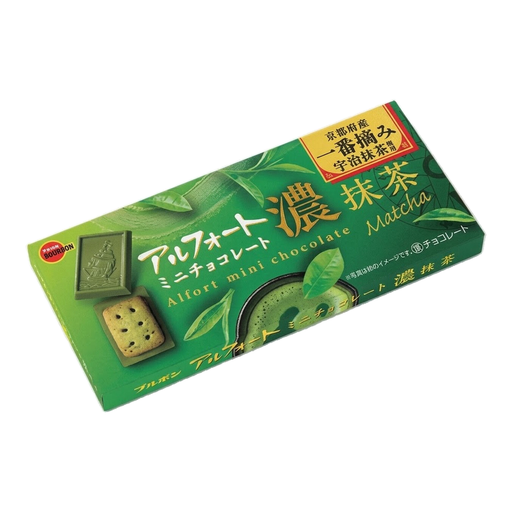 Image unavailable
Bourbon Alfort Mini Chocolate Dark Matcha, 12 pcs, 60 g
This option combines chocolate and matcha. Choose it only if that flavour suits the coffee service you’re offering, rather than as a direct substitute for a dark chocolate shortbread biscuit. The name ‘Dark Matcha’ doesn’t specify the cocoa percentage; check the ingredients, pack format and allergen information for the batch.
View on Joybuy
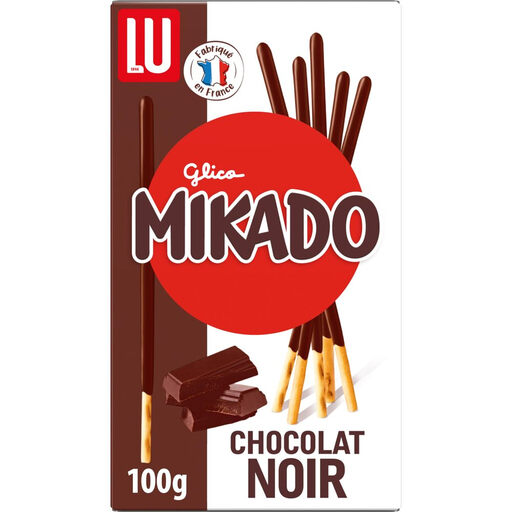 Image unavailable
Mikado dark chocolate, 100 g
This 100 g option gives you biscuit sticks rather than traditional shortbread to serve with coffee. Don’t infer the cocoa percentage from a possible coating percentage: they’re two different things. Check the pack format before serving individual portions, as well as the allergen information on the packaging.
View on Joybuy
Frequently asked questions
Does ‘dark chocolate’ guarantee a rich cocoa flavour?
No. The name alone doesn’t tell you the cocoa percentage of the chocolate used. For example, Carrefour states that the Gerblé biscuit recipe contains 48% dark chocolate, which measures the proportion of chocolate in the biscuit. If a particular cocoa percentage matters to your choice, look for information that explicitly refers to the chocolate.
What information should you keep to hand when biscuits are served without their box?
Keep ingredients and allergen information that exactly match the product being served. In France, Service-Public.fr states that allergens must be listed for processed foods, including in catering settings. Keeping the packaging or an up-to-date information sheet helps staff find these details.
Are individual sachets useful for a coffee tray?
They’re handy if you want to prepare a set portion without opening the whole pack. Carrefour’s listing for Céréal Bio shortbread biscuits states that there are six sachets containing two biscuits each; Auchan’s listing for Granola dark chocolate biscuits, on the other hand, says they aren’t individually wrapped. Choose according to how many biscuits you plan to serve each time.
Is organic dark chocolate shortbread automatically suitable for people avoiding gluten?
No. The listing for Céréal Bio shortbread biscuits includes wheat, oats and barley, among other ingredients. Check the ingredients and allergen information for each product, rather than assuming it’s suitable based on the word ‘organic’ alone.


