For an occasional post-workout snack, choose a dark chocolate biscuit based on the amount you plan to eat, its ingredients and nutritional information, rather than its name alone. If you’re looking for a strong cocoa flavour, check the cocoa percentage of the chocolate: the proportion of dark chocolate in the biscuit won’t tell you this. The Nutri-Score can help you compare products when displayed, but it doesn’t determine your serving size or what you need after exercise.
Who is this choice for?
Fans of rich dark chocolate
You want to be able to tell the amount of dark chocolate in the biscuit apart from the cocoa content of that chocolate. Some product listings give the first figure without specifying the second, so check the packaging if cocoa content is important to you.
Sportspeople who take a snack with them
An individually wrapped pack can be easy to carry and help you plan how much to eat. However, check how many biscuits it contains: the pack format alone doesn’t tell you anything about its nutritional information.
Readers who check the label carefully
To compare two recipes, look at the sugars, saturated fat and fibre per 100 g, then consider how much you’ll actually eat. Also check the allergens and the Nutri-Score, if it appears on the pack.
Which criteria should you prioritise?
For this snack, first decide what matters most to you: a verifiable cocoa content, the nutritional make-up of your serving or a pack that’s easy to carry.
| Criterion |
What to check |
Who it’s for |
| Cocoa flavour |
Cocoa percentage of the chocolate, if stated; proportion of dark chocolate in the recipe. |
After a workout, these shoppers want to know what the chocolate is made of to find a pronounced cocoa flavour, rather than relying on the word “dark”. Around 44% of shoppers prioritise this check. |
| What’s in a serving |
Sugars and saturated fat per 100 g; weight of the serving you’re considering. |
If the snack is before a meal, these shoppers want to understand what the amount they’ll eat represents. Around 33% of shoppers put nutritional information first. |
| Portability and dietary requirements |
Number of biscuits per pack; allergens and precautionary allergen statements on the packaging. |
Whether they’re packing a snack in a bag or sharing it after an activity, these shoppers want a convenient format without overlooking ingredients they need to avoid. Around 23% of shoppers prioritise these aspects. |
Common misconceptions to avoid
-
Confusing dark chocolate with a high cocoa content
The percentage of dark chocolate given for a recipe tells you how much of that ingredient is in the biscuit. It doesn’t necessarily tell you the cocoa content of the chocolate. So you can’t confirm the intensity you’re looking for from the product name alone.
If this is a deciding factor, look for an explicit cocoa percentage on the pack.
-
Relying on the Nutri-Score alone
According to Public Health France, producers display the Nutri-Score voluntarily. If it’s shown, this guide doesn’t replace checking the ingredients, nutritional information and serving size.
Use the logo to compare similar biscuits if it appears on each pack, then check their nutritional information and allergens.
-
Assuming one biscuit covers everything you need after exercise
A recipe containing wholegrains or fibre doesn’t, by itself, meet every need after every type of workout. The number of biscuits you eat and your next meal also matter when making your choice.
Choose a serving that takes your hunger into account and consider the rest of your diet, without expecting the biscuit to have any particular recovery benefits.
-
Overlooking allergens in a biscuit you’re taking with you
Ingredients and precautionary allergen statements can vary between dark chocolate biscuit products. The biscuit’s name alone isn’t enough to decide whether it’s suitable for someone with an allergy.
Before eating or sharing the biscuits, check the ingredients list and precautionary allergen statements on the pack you’ve bought.
Brands to compare
St Michel
The Galette gourmande dark chocolate biscuits may appeal to people looking for individually wrapped packs.
- St Michel states that this recipe contains 21% dark chocolate and that the 121 g box contains four packs of three biscuits.
- This proportion doesn’t specify the cocoa content of the chocolate used.
Carrefour
The Carrefour Classic’ dark chocolate option gives several ingredient proportions that are useful when comparing its recipe.
- Carrefour states that this product contains 27% dark chocolate and 10.8% wholemeal flour.
- The recipe also contains 14.8% palm fat; the proportion of dark chocolate doesn’t specify the cocoa percentage of the chocolate.
Auchan
Auchan Bio biscuits with dark chocolate chips and wholegrain oats offer another recipe to compare.
- Auchan’s product listing states that the biscuits contain 20.5% wholegrain oat flakes, 10% wholegrain oat flour and 9% dark chocolate chips, with a Nutri-Score of C.
- The proportion of chocolate chips doesn’t mean the biscuit has a high cocoa content.
LU
To compare an LU biscuit in this context, start with a specific product rather than considering the brand as a whole.
- LU offers a range of biscuits with different recipes.
- Check the pack of the product you’re considering to make sure it contains dark chocolate and that its cocoa information meets your needs.
BN
BN offers chocolate-filled biscuits, a category to distinguish from biscuits that state their cocoa content.
- A filled biscuit may be a good choice if that’s the texture you’re after.
- The word “chocolate” doesn’t confirm that dark chocolate is used or state its cocoa percentage, so check the specific product.
A biscuit option on Joybuy
This dark chocolate biscuit could be an option for a post-workout snack if its pack format and label match what you’re looking for.
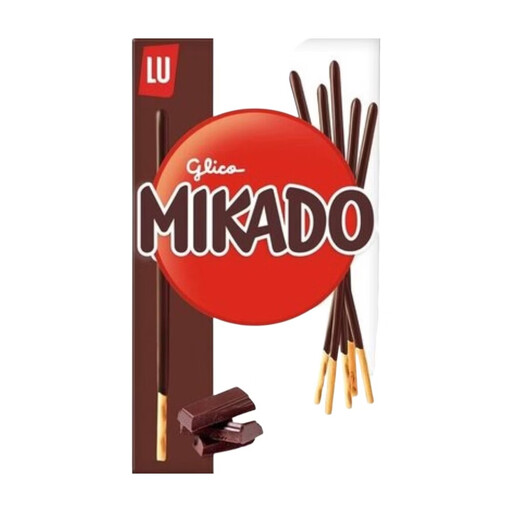 Image unavailable
Mikado Dark Chocolate 75 g
For a dark chocolate snack after exercise, choose how much you’d like to eat from this 75 g pack. The name Dark Chocolate doesn’t tell you the cocoa content of the chocolate, so check the packaging, along with the nutritional information per serving and the allergens.
View on Joybuy
Frequently asked questions
Does every pack of biscuits have to display the Nutri-Score?
No. According to Public Health France, producers display the Nutri-Score voluntarily. If it isn’t shown on a pack, use the ingredients list and nutritional information to compare the biscuits.
What does a percentage of dark chocolate in a biscuit mean?
It tells you the proportion of dark chocolate in the recipe, not necessarily the cocoa content of that chocolate. If you’re looking for a pronounced cocoa flavour, check the packaging for a separate cocoa percentage.
Which allergens should you check before taking these biscuits with you?
Read the ingredients list and any precautionary allergen statements for the product you’ve bought. The dark chocolate biscuits reviewed include declarations of wheat, milk, soya or egg, depending on the recipe; don’t assume the same information applies to another pack.
How can you compare two servings of different sizes?
First compare the nutritional information per 100 g on a like-for-like basis, then check the weight of the amount you plan to eat. An individual pack makes portioning easier, but its contents won’t necessarily be equivalent to those of another product.


