Dark chocolate fans
If cocoa flavour matters more to you than simply seeing ‘dark chocolate’ on the pack, distinguish between the amount of chocolate in the biscuit and the cocoa percentage of that chocolate. They’re two different things.


For drinks with friends, start with a biscuit whose ingredients list includes dark chocolate, then check how much the recipe contains. This proportion doesn’t tell you the cocoa percentage of the chocolate, so if you’re looking for a particularly rich cocoa flavour, check the percentage on the pack too. Before serving, compare the sugars per 100 g and check the allergens for the product you’ve chosen.
If cocoa flavour matters more to you than simply seeing ‘dark chocolate’ on the pack, distinguish between the amount of chocolate in the biscuit and the cocoa percentage of that chocolate. They’re two different things.
When choosing between several packs for drinks with friends, compare sugars, fat, energy and salt on the same per-100 g basis. The DGCCRF notes that a nutrition declaration must appear on the relevant prepacked foods; Nutri-Score is optional additional information.
If several guests will be sharing the same pack, check the allergens and any ‘may contain’ warnings for the product you buy. Product information for dark chocolate biscuits published by Carrefour France and Auchan France shows that recipes and warnings can vary.
For drinks with friends, first check what ‘dark chocolate’ means on the pack, then compare the nutritional information and whether the biscuits are suitable for sharing.
| What matters | What to check | Who is this useful for? |
|---|---|---|
| Dark chocolate and cocoa | Look for dark chocolate in the ingredients and check how much the biscuit contains. If cocoa intensity is important to you, look separately for the chocolate’s cocoa percentage. | I want dark chocolate to have a clearly identifiable place in the biscuit, without confusing the amount of chocolate with its cocoa content. Around 50% of consumers put this need for transparency about cocoa first. |
| Sugars and nutritional values | Compare sugars and fat per 100 g in particular; check the ingredients list if the words ‘no added sugars’ catch your eye. | Before serving a sweet biscuit to several people, I want to be able to compare recipes on the same basis. This need for nutritional comparison comes first for around 30% of consumers. |
| Allergens and sharing | Check the allergens and any ‘may contain’ warnings on each pack; also look at the number of biscuits or servings stated. | When I’m preparing drinks for a group, I first need to know whether everyone can eat the biscuit on offer. Checking allergens and pack size is a priority for around 20% of consumers. |
Carrefour France states that LU Pépito nappé biscuits contain 27% dark chocolate, while Carrefour Bio filled biscuits contain 15.9%. Auchan France states that LU Petit Écolier contains 48%. These figures describe the proportion of chocolate in each biscuit, not the cocoa percentage of the chocolate used.
If that latter figure is important to your choice, look for it on the packaging rather than judging cocoa intensity by the pack colour or the words ‘dark chocolate’ alone.
According to the DGCCRF and the Ministry of the Economy website, Nutri-Score is optional, while a nutrition declaration is required for the relevant prepacked foods. So, if the logo isn’t shown, you should still read the nutrition table.
Compare the values per 100 g, then check the ingredients and allergens. If a Nutri-Score is displayed, treat it as additional information.
The Carrefour France product information for Gerblé biscuits explains that ‘no added sugars’ doesn’t rule out naturally occurring sugars. On its own, the claim doesn’t describe the whole recipe.
Read the full claim, the ‘sugars’ line in the nutrition information and the ingredients list before comparing these biscuits with another product.
Article 1613 ter of the French General Tax Code, published on Légifrance, applies to drinks and liquid preparations for drinks, not chocolate biscuits.
To compare biscuits, use the information on their packaging, including the ingredients and nutritional values.
These products illustrate how recipes can differ. Check the exact variant, as a chocolate biscuit isn’t necessarily made with dark chocolate.
Two dark chocolate options are documented: Pépito nappé and Petit Écolier with a chocolate tablet.
The Carrefour Classic' and Carrefour Bio ranges include biscuits labelled ‘dark chocolate’.
The BN chocolate biscuit documented by Carrefour France lets you compare a cocoa-based recipe, although it isn’t described as a dark chocolate option.
The biscuit product documented by Auchan France is coated in milk chocolate.
These biscuits pair dark chocolate with different formats for sharing over drinks. If your choice depends on a specific cocoa content or allergy requirements, check the packaging of the product you select.
 Image unavailable
Worth considering if you’d like to serve Petit Écolier dark chocolate biscuits with drinks.
The pack is listed as 150 g. Before sharing, check its label for the chocolate’s cocoa content, sugars per 100 g and allergens.
 Image unavailable
Mikado could be a good choice if you’d prefer to offer your guests dark chocolate-coated biscuit sticks.
The pack is listed as 75 g. If you’re looking for a specific cocoa intensity, check the chocolate’s cocoa percentage on the packaging, and check the allergens too.
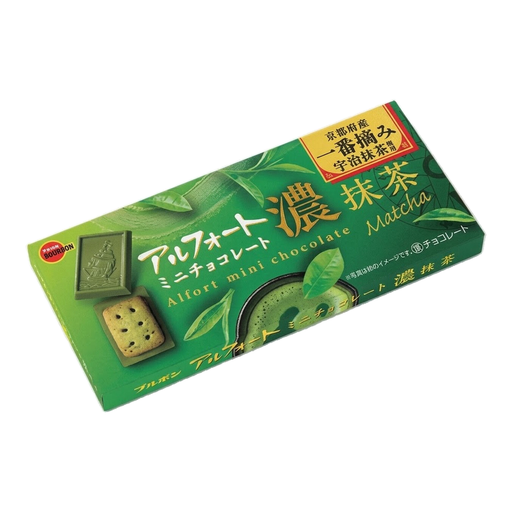 Image unavailable
This variant could work well as part of a selection if you’d like to pair dark chocolate with matcha flavour.
The product name states that the pack contains 12 pieces and weighs 60 g. If these details matter to your choice, check the proportion of dark chocolate, the chocolate’s cocoa content and the allergens.
Check the proportion of dark chocolate in the biscuit, then look separately for the chocolate’s cocoa percentage on the packaging. The dark chocolate proportions published for some products by Carrefour France and Auchan France don’t, on their own, provide this second detail.
No. According to the Ministry of the Economy website, displaying it is optional in France. The DGCCRF explains that a nutrition declaration is required for the relevant prepacked foods, so use the values per 100 g in particular to compare packs.
No. As the Carrefour France product information for a Gerblé biscuit explains, naturally occurring sugars may still be present. Check the ‘sugars’ line in the nutrition information and the ingredients list for the product you choose.
Read the declared allergens and any warnings about traces on each pack, rather than relying on the recipe name alone. Depending on the product, the dark chocolate biscuit information from Carrefour France and Auchan France lists ingredients such as wheat, milk and soya, or warns of possible traces of other allergens.
No. Article 1613 ter of the French General Tax Code, published on Légifrance, covers drinks and liquid preparations for drinks, not chocolate biscuits. To compare biscuits, check their ingredients and nutritional values.