For sharing dark chocolate after a bike ride, choose individually portioned squares or bites if you want to make serving easier, then compare the ingredients and allergens for the exact product. If you’re looking for something to fuel your ride, don’t choose a large bag of dark chocolate based on its size alone: the UCI road cycling nutrition project highlights that fuelling strategies depend on the cyclist and the conditions of the ride.
Who is this option for ?
Cyclists planning their fuelling
If you’re mainly looking for something to eat during a long or demanding ride, keep this separate from a treat to share afterwards. The UCI road cycling nutrition project outlines strategies tailored to each cyclist and the demands of their ride.
Groups getting together after a ride
If you want to serve several people without breaking up a bar, individually wrapped squares or bites are worth considering. Lindt France, for example, offers a bag of individually wrapped Mini Carrés EXCELLENCE in 70 % and 85 % varieties.
People comparing recipes
If taste, sugars, fat or allergens influence your choice, check the label on the exact bag you’re considering. In France, nutrition labelling is governed by the European regulation on consumer information; according to Santé publique France, displaying the Nutri-Score is voluntary.
What should you look for before buying ?
First decide whether the chocolate is for eating during the ride or sharing with the group afterwards. The packaging and information to compare will depend on what you need.
| What matters |
What to check |
Who is it for ? |
| Fuel during the ride |
Carbohydrates per portion you’ll actually take with you; a format you can use while riding. |
If I’m heading out for a long ride, I want to plan my fuelling around that particular ride rather than choosing a chocolate based only on its cocoa percentage. Around 42 % of consumers prioritise fuel during exercise. |
| Sharing after the ride |
Individual wrapping; bag weight and the stated number of pieces. |
At the club table, I want to hand out clearly portioned pieces without having to break anything up. Sharing and portioning come first for around 33 % of consumers. |
| Recipe and tasting |
Ingredients, sugars and fat per 100 g and per portion; declared allergens. |
For a tasting break, I want to choose a recipe I enjoy while knowing what’s in it. Around 25 % of consumers prioritise checking the label first. |
Which common mistakes should you avoid ?
-
Assuming dark chocolate is sports fuel
The colour or cocoa content alone won’t tell you whether a product is suitable for fuelling during exercise. The tasting chocolates listed by Lindt France also contain fat, and the UCI project stresses that nutrition strategies should be adapted to the circumstances.
For a ride, check the carbohydrates in the portion you plan to take and how it fits into your fuelling plan. Save the bag for sharing until that format suits what you need.
-
Assuming a missing Nutri-Score is a problem
Santé publique France explains that producers can choose whether to display the Nutri-Score. If it’s not shown, you should still check the nutrition information.
Compare sugars and fat on the same basis, particularly per 100 g, then check the portion, ingredients and allergens for the product you’ve chosen.
-
Assuming the ‘soda tax’ applies to solid chocolate
The French legislation published by Légifrance applies to drinks and liquid preparations intended for human consumption, not a bag of solid chocolate. So this tax won’t help you choose between two chocolates.
To compare recipes, check the amount of sugars listed in their nutrition information.
-
Forgetting to check the label when sharing
If a bag is for several people, take particular care to check the allergens and traces declared for the exact product. Transport and storage matter too if the chocolate could be exposed to heat.
Keep the packaging available for everyone, check the storage instructions and make separate arrangements for anyone who can’t eat the product.
Brands and retailers to explore
These examples show the difference between bags, squares, bars and assortments. Always check the format and recipe of the specific product you’re thinking of buying.
Lindt
Lindt France offers a 1 kg bag of LINDOR Noir 70 % for sharing, as well as a bag of individually wrapped Mini Carrés EXCELLENCE in 70 % and 85 % varieties.
- The Mini Carrés can be handed out without breaking anything up during a group break.
- LINDOR is a filled chocolate bite, so its recipe shouldn’t be confused with that of a dark chocolate square.
Côte d’Or
Carrefour France lists a Côte d’Or bar with 86 % cocoa, designed for tasting rather than serving from a bag of individually wrapped pieces.
- The cocoa content is stated for this specific bar.
- A bar needs to be shared differently from individually wrapped bites.
Nestlé
Nestlé France’s Les Recettes de L’Atelier range includes chocolates and formats for giving or sharing.
- The range lets you explore different packaging options for different occasions.
- Check the recipe of the pack you choose: an assortment for sharing won’t necessarily contain only dark chocolate.
Carrefour
The Carrefour Original product listing describes a 200 g bar of dark cooking chocolate, which is different from a bag of chocolate bites.
- The listing for the specific product lets you check its ingredients before comparing recipes.
- The details of this bar don’t apply to every Carrefour dark chocolate.
E.Leclerc
E.Leclerc offers own-brand dark chocolate in bars, squares and multipacks.
- These different packs let you compare a range of ways to serve chocolate.
- A multipack of bars doesn’t offer the same portioning as a bag of individually wrapped pieces.
Auchan
Auchan’s gifting confectionery range includes chocolate assortments.
- Assortments are worth considering for a shared occasion.
- Check what they contain: some include milk, dark and white chocolate.
Individually portioned options on Joybuy
These two products are biscuits with dark chocolate, worth considering for a shared break after a ride; they aren’t bags of plain dark chocolate. Compare their formats and recipes before choosing.
 Image unavailable
Mikado Dark Chocolate 75 g
Worth considering if you’d like to share dark chocolate-coated biscuits after a ride, rather than choosing a bag of plain dark chocolate. Check how many sticks are in the pack if you’re planning one portion per person, and read the label if anyone has dietary restrictions.
View on Joybuy
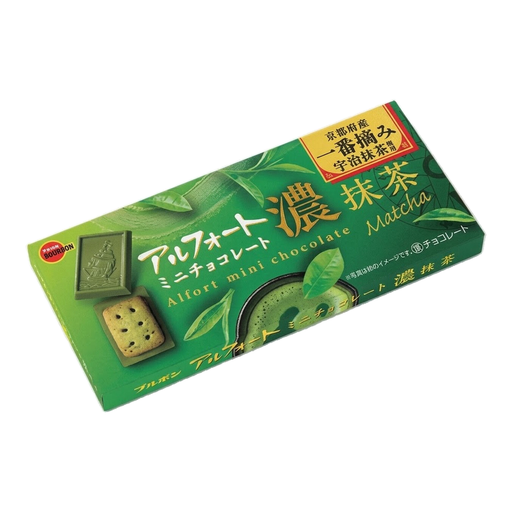 Image unavailable
Bourbon Alfort Mini Chocolate Dark Matcha, 12 pieces, 60 g
The 12-piece pack is worth considering for a group break after cycling. The recipe combines biscuits, dark chocolate and matcha: check that it suits everyone’s tastes, and read the label for allergens and nutritional information.
View on Joybuy
Frequently asked questions
Does the French ‘soda tax’ apply to a bag of dark chocolate ?
No : the levy described by Légifrance applies to drinks and liquid preparations intended for human consumption, not solid chocolate. To compare two bags, check their recipes and nutrition information instead.
Does dark chocolate sold in France have to display a Nutri-Score ?
No. Santé publique France says displaying it is voluntary ; it supplements the regulated nutrition information but doesn’t replace it. If it isn’t shown, compare the products’ nutrition tables and ingredient lists.
Is dark chocolate with 70 % or 85 % cocoa always suitable for fuelling a bike ride ?
No : cocoa percentage alone won’t tell you whether it’s suitable for your ride. Check the carbohydrates and fat in the portion you’re considering, as well as its format. The UCI road cycling nutrition project highlights that strategies depend on the cyclist and the demands of the ride.
How should you store a bag of chocolate for a cycling event ?
Follow the storage instructions on the packaging of the product you’ve chosen. Before transporting it or having it delivered in hot weather, check the conditions offered and avoid leaving the chocolate exposed to heat.


