What should you check before buying?
If you’re buying a snack before a flight, start with the recipe you’re looking for, then check the label against the format you plan to take with you.
| What to check |
Look for |
Who is it for? |
| Cocoa flavour |
The cocoa percentage, if shown on the product, and the proportions of chocolate, cereals or filling in the recipe. |
If I’m looking for a pronounced cocoa flavour before departure, I want to know what the bar actually contains, beyond the word “dark”. Around 33% of consumers would put cocoa intensity first. |
| Sugars and allergens |
Sugars per 100 g and portion weight; allergens and “may contain” statements for the variant you’ve chosen. |
To choose a portion that suits me, I need to be able to read the nutritional information and spot any ingredients I need to avoid. Ingredients and allergens would be the priority for around 25% of consumers. |
| Taking it with you |
The bar’s weight, its packaging and the rules that apply to the bag you plan to take. |
Before boarding, I’d rather take a portion with me than keep the rest of a block in my bag. Around 25% of consumers would put convenience first. |
| Number of portions |
The net weight and the number of bars or portions in the pack. |
For a single snack, I don’t want to buy a pack that means I have to carry several portions. Choosing the right format would be the main consideration for around 17% of consumers. |
Bars and blocks available on Joybuy
This selection includes dark chocolate blocks in different formats, as well as a 45 g dark chocolate and hazelnut bar. For a snack before your flight, compare the weight you’ll be taking with you and the recipe: a block isn’t necessarily packaged in individual portions.
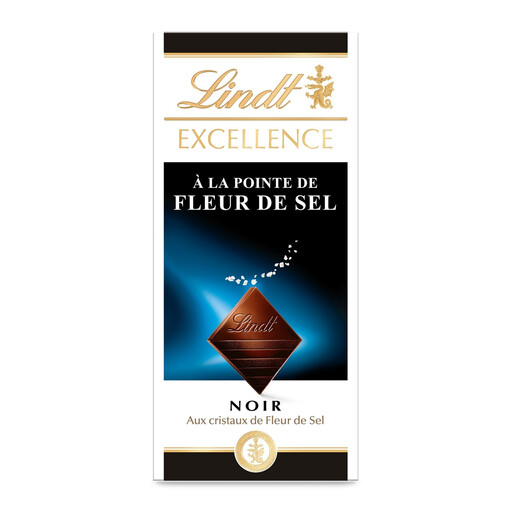 Image unavailable
Lindt Excellence dark chocolate with sea salt, 100 g
Worth considering if you’re looking for a dark chocolate block with sea salt rather than a cereal bar. The stated format is 100 g; check the packaging if you only want to take one portion with you.
View on Joybuy
 Image unavailable
Poulain fine dark chocolate, 70%, 100 g
Worth a look if you want a cocoa percentage stated in the product name. Check the weight on the packaging before choosing how much to take with you, and check the milk and soya information for the variant you’re buying.
View on Joybuy
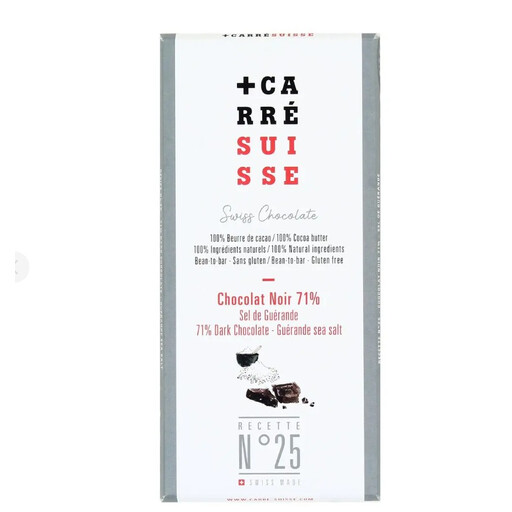 Image unavailable
CARRE dark chocolate with Guérande sea salt, 100 g
This 100 g block combines dark chocolate with Guérande sea salt. The stated minimum of 60% cocoa applies to the chocolate, not necessarily the whole product. The listing gives 41 g of sugars per 100 g and notes that it contains soya and may contain traces of milk, nuts and gluten.
View on Joybuy
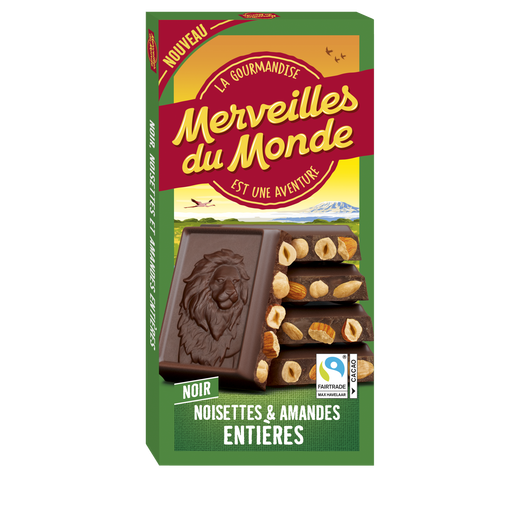 Image unavailable
Merveilles du Monde dark chocolate with hazelnuts and almonds, 170 g
Worth considering if you’re looking for a dark chocolate recipe with whole nuts and are happy with a 170 g format. The stated minimum of 50% cocoa applies to the chocolate, not necessarily the whole recipe. The product contains hazelnuts, almonds and milk; check the allergens before buying.
View on Joybuy
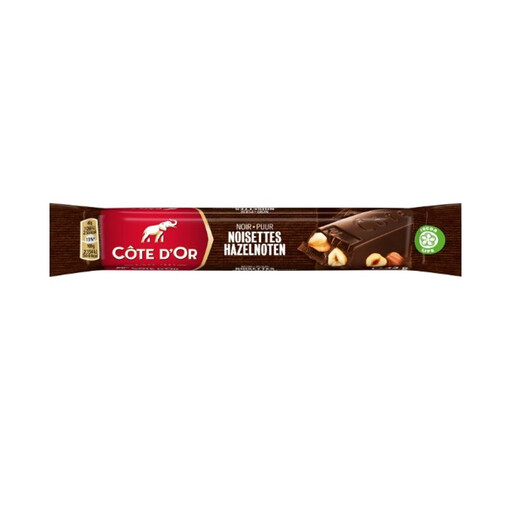 Image unavailable
Côte d’Or dark chocolate and hazelnut bar, 45 g
The 45 g format may suit you if you’d rather buy a single bar than a larger block. The recipe contains 23% hazelnuts and 41 g of sugars per 100 g; it also lists hazelnuts, milk and soya. If cocoa intensity is important to you, check the cocoa percentage on the packaging.
View on Joybuy
Frequently asked questions
Does a solid chocolate bar come under France’s “soda tax”?
No. The levy described by Légifrance applies to drinks and liquid preparations for drinks, not solid chocolate bars. To compare two bars, look at the “of which sugars” line in their nutritional information instead.
Is Nutri-Score compulsory on a chocolate bar?
No. The European Commission says that simplified front-of-pack nutritional information remains optional under current EU rules. A nutrition declaration is required for most pre-packed foods, however. Read it to compare values per 100 g and, where shown on the label, per portion.
Can I put a chocolate bar in my hand luggage?
Check your airline’s and departure airport’s guidance for your journey. Paris Aéroport sets out restrictions on liquids in the cabin, which are particularly important if you’re taking a drink or a product with a liquid consistency alongside your bar. The airline also sets limits on baggage dimensions, weight and number of bags.
Does “dark chocolate” mean a bar is low in sugars?
No. The words “dark chocolate” don’t tell you how much sugar is in a recipe that may contain other ingredients. For example, Joybuy’s listing for the Côte d’Or dark chocolate and hazelnut bar gives 41 g of sugars per 100 g. Compare the “of which sugars” line and portion weights rather than judging from the product name alone.
Which allergens should I check in a dark chocolate bar?
Check the information for the exact variant, including any “may contain” statements. Depending on the product, the recipes reviewed list hazelnuts or other nuts, milk, soya, cereals containing gluten or traces of peanuts. The colour of the chocolate doesn’t tell you whether these ingredients are absent.


