Fans of intense cocoa flavour
If you’re after a pronounced cocoa flavour, check the percentage shown for the exact product. The DGCCRF notes that cocoa content affects flavour intensity. Then look at the bar’s ingredients, portion size and sugars.


For a break at work, look for a clearly stated cocoa percentage if you want a pronounced dark chocolate flavour. If crunch or format matters more, check the recipe and portion size rather than relying on the words ‘dark chocolate’ alone. Compare the sugars per 100g too, and check the allergens for each product, especially if you’re planning to share the bars.
If you’re after a pronounced cocoa flavour, check the percentage shown for the exact product. The DGCCRF notes that cocoa content affects flavour intensity. Then look at the bar’s ingredients, portion size and sugars.
To compare recipes in different formats, check the nutrition information per 100g. Where values per portion are provided, these can help you work out how they compare with the amount you plan to eat.
Before buying bars to share, check the allergen ingredients and any ‘may contain’ statements for each recipe and variant.
At work, start with what matters most to you — cocoa flavour, the make-up of your snack or sharing — then check the label of the product you’ve chosen.
| What to consider | What to check | Who is it for? |
|---|---|---|
| Cocoa flavour | The cocoa percentage shown for the exact product, and where dark chocolate appears in the ingredients list. | If I’m mainly looking for a pronounced cocoa flavour, the word ‘dark’ on its own isn’t enough. Around 37% of consumers put this intensity at the top of their list of priorities. |
| Sugars and portion size | Sugars and energy per 100g, followed by the values for the portion you’re considering. | To compare two different-sized snacks, I need to relate the figures to what I’ll actually eat. Around 36% of consumers prioritise comparing sugars and portion size. |
| Sharing and allergens | Listed allergens, ‘may contain’ statements and the size of each individual bar. | When bars are for several colleagues, I need to be able to check each recipe before offering them around. Around 27% of consumers prioritise these considerations when sharing. |
A bar can contain dark chocolate without being made mainly of cocoa. For example, Carrefour lists 17.7% dark chocolate in the Sundy recipe reviewed here. This figure refers to the proportion of dark chocolate in the bar, not its cocoa percentage.
If you’re after a stronger cocoa flavour, check the cocoa percentage for the exact product and read the first ingredients listed.
Neither the product name nor a Nutri-Score label replaces checking the nutrition information and portion size. According to the DGCCRF, Nutri-Score is voluntary, while nutrition information must be provided for the relevant prepacked foods.
Compare sugars per 100g, then check the sugars and energy for the amount you plan to eat.
Allergen ingredients vary between bars, even when their packaging or formats look similar. Individually wrapped bars don’t, by themselves, tell you what’s in them.
Check the ingredients list and any ‘may contain’ statements for each variant, and make sure the information is available to anyone who needs it.
The Sundy product reviewed here is a crunchy bar sold in a pack of five 36g bars, with dark chocolate in the recipe.
The products reviewed here focus on different recipes: peanuts and caramel for Snickers, and a biscuit and caramel centre coated in milk chocolate for Twix.
The milk chocolate bar reviewed here combines wafer and chocolate coating. It’s a better fit if you’re after a crunchy snack than if dark chocolate is your priority.
These products offer a choice between a dark chocolate bar with a stated cocoa content and dark chocolate bars chosen for their recipe or texture. Check the portion size and allergens for the variant you choose.
 Image unavailable
If cocoa flavour is your priority, this 100g bar has a stated cocoa content of 70%. Decide how much you’ll have to work out the nutrition values for your portion. The product information notes that it contains maltitol, which may have a mild laxative effect if consumed in excess.
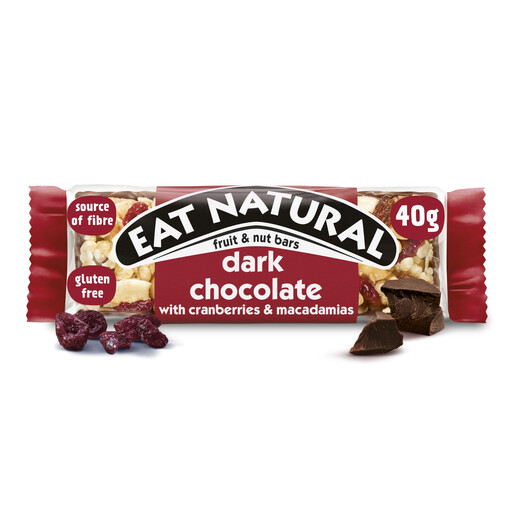 Image unavailable
This 40g bar combines cranberries and dark chocolate in an individually sized snack. If cocoa intensity is important to you, check the cocoa percentage for the variant. The product information lists soya and macadamia nuts, and notes that it may contain traces of other nuts and peanuts. Check the packaging before sharing.
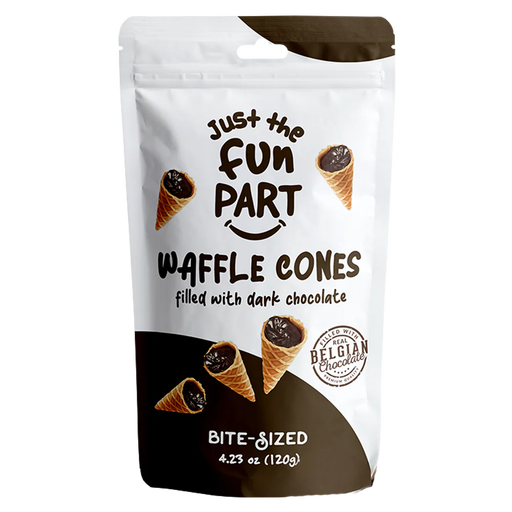 Image unavailable
If you’re after a crunchy snack, the product information describes a dark chocolate wafer in a 120g pack. If cocoa percentage and portion size are key to your choice, check both before buying. The product information lists wheat and soya.
No. According to the DGCCRF, Nutri-Score is voluntary, while nutrition information is compulsory for the relevant prepacked foods. If there’s no Nutri-Score, you can compare the nutrition information per 100g, followed by the portion you plan to eat.
No, not under the levy set out in Article 1613 ter of the French General Tax Code. The legislation published on Légifrance applies to drinks and liquid preparations for drinks that meet its criteria, not solid chocolate bars. However, the amount of sugars in a bar is still worth checking on the label.
No. Cocoa percentage alone doesn’t tell you how much sugar a bar contains or what its overall nutritional profile is, especially if it’s made with several ingredients. To compare two products, check their values per 100g and take into account the portion you’ll eat.
Check the allergen ingredients and any ‘may contain’ statements for each variant. According to the DGCCRF, allergens present in the ingredients of prepacked foods must be clearly highlighted. Keep the packaging accessible so everyone can check the information for their bar.