If you’re buying mini dark chocolate while managing a food allergy, first check the ingredients and any ‘may contain’ warnings on the packaging of the specific product you’re considering, then compare the formats. A mini bar or pre-scored squares make it easier to portion out, but they don’t guarantee that the allergen you need to avoid is absent. Individually wrapped dark chocolate and mint pastilles serve a different purpose, but some contain milk.
Who is this choice for?
People who need to avoid a specific allergen
If you need to avoid milk, soya, certain nuts or a gluten-containing cereal, the words ‘dark chocolate’ aren’t enough to help you choose. Check the ingredients list and warnings for the exact product, even if you’re switching formats.
People looking for smaller portions
Mini squares, a 35 g bar and individually wrapped pastilles are different types of packaging. Choose according to how you’d like to separate your portions, but don’t let convenience take the place of checking for allergens.
People comparing nutritional information
Nutritional values per 100 g let you compare the energy and sugars in different products, among other things. The DGCCRF explains that Nutri-Score is voluntary, so its absence doesn’t mean you can skip the nutritional information on the packaging.
What should you check before buying?
When shopping around a food allergy, first rule out any products whose labels aren’t suitable for the allergen concerned. Then compare the packaging and nutritional values of the products you could still consider.
| What matters |
What to check |
Who is it for? |
| Allergen to avoid |
Highlighted ingredients and any ‘may contain’ warnings on the exact product packaging. |
If I need to avoid a specific allergen, a dark chocolate recipe or a particular cocoa percentage isn’t enough to help me decide. Around 36% of consumers put allergen suitability first. |
| Separate portions |
The weight of the bar or pieces, and whether they’re individually wrapped. |
If I want to take one piece with me or easily separate it from the rest of the pack, the packaging matters just as much as the word ‘mini’. Around 29% of consumers prioritise portion size. |
| Nutritional values |
Energy and sugars per 100 g; values per portion too, if they’re also shown on the packaging. |
When I compare two products that are suitable for my allergy, I want to be able to read their values on the same basis. Around 21% of consumers prioritise this nutritional comparison. |
| Available format |
The product available through your usual shopping channel and the label on any alternative format. |
If the mini squares I’m looking for aren’t available, I could consider a bar or a scored tablet, after checking its ingredients. Finding an alternative format is the priority for around 14% of consumers. |
Common pitfalls to avoid
-
Assuming ‘dark chocolate’ means it’s free from allergens
The colour and cocoa percentage don’t tell you everything about the ingredients. Auchan’s listing for Lindor dark chocolates mentions milk, soya and barley malt extract, among other ingredients; Lindt also warns that its products may contain nuts.
Avoid a product if its ingredients or warnings aren’t compatible with the allergen you need to avoid. Keep the packaging so you can check this information again.
-
Choosing a filled chocolate based on its cocoa percentage alone
The filling may contain ingredients that aren’t found in another dark chocolate recipe. Auchan’s listing for Lindor dark chocolates includes dairy ingredients and soya lecithin, among other things.
Check the ingredients of the whole chocolate, not just the information about the chocolate coating.
-
Confusing the absence of a Nutri-Score with a lack of nutritional information
The DGCCRF describes Nutri-Score as a voluntary label. A separate rule applies to nutrition declarations on pre-packed foods, subject to the relevant exceptions.
If there’s no logo, use the nutritional values on the packaging to compare products, particularly per 100 g. Check for allergens separately.
-
Assuming another format has the same label
Mini bars, squares and filled chocolates can have different ingredients, even when they’re from the same brand. Carrefour’s listing for Mini Carrés Excellence 85 % also stated that this product was unavailable.
If you switch format or product, check its availability and read the packaging of the product you actually choose.
Brands and ranges to compare
Lindt
The Excellence range includes dark chocolate formats such as the Mini Carrés 85 % featured by Carrefour and a 35 g 70 % mini bar featured on Joybuy. Lindor dark chocolates are a separate range of filled products.
- These formats let you choose between pre-scored squares and an individual bar.
- The Joybuy listing for the mini bar warns that it may contain traces of nuts, milk and soya. Lindt states that none of its products are guaranteed to be free from nut allergens.
After Eight
This Nestlé brand offers thin, individually wrapped dark chocolate and mint pastilles. They’re not the same as a plain dark chocolate square.
- The individual wrapping makes it easy to take one pastille at a time.
- The ingredients for the 300 g product featured on Joybuy include milk and whey, so it isn’t suitable for anyone with a milk allergy.
Equador
E.Leclerc’s selection includes Equador dark chocolate tablets, with products containing 72 %, 85 % and 99 % cocoa, among other options to consider if mini chocolates aren’t essential.
- A 20-square product with 72 % cocoa is an option if you’d prefer chocolate you can break into portions rather than individually wrapped pieces.
- The cocoa percentage can’t tell you whether a product is suitable for your allergy. Check the ingredients and warnings on the specific tablet.
Two formats available on Joybuy
These products suit two different needs: a 35 g dark chocolate mini bar and individually wrapped dark chocolate and mint pastilles. The format doesn’t replace checking the label for the allergen that concerns you.
 Image unavailable
Lindt Excellence, 70 % dark chocolate mini bar, 35 g
This bar is a good choice if you’d prefer one small bar rather than several individually wrapped pieces. The Joybuy listing states that it contains at least 70 % cocoa, weighs 35 g and has 30 g of sugars per 100 g.
The same listing warns that it may contain traces of nuts, milk and soya. If you need to avoid any of these allergens, don’t rely on the words ‘dark chocolate’ alone; check the packaging of the product you buy.
View on Joybuy
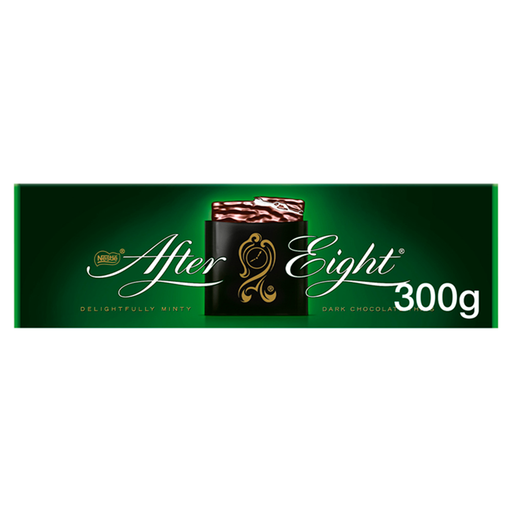 Image unavailable
After Eight Mints, dark chocolate and mint pastilles, 300 g
The individually wrapped pastilles make it easy to take one piece from the pack. Their mint recipe sets them apart from a plain dark chocolate mini bar. The Joybuy listing states that the pack weighs 300 g and contains 67,5 g of sugars per 100 g.
It also lists milk and whey, so this product isn’t suitable for anyone with a milk allergy. If you need to avoid another allergen, read the ingredients and warnings on the packaging of the product you buy.
View on Joybuy
Frequently asked questions
Is dark chocolate always free from milk, soya or nuts?
No. Ingredients vary from product to product. Auchan’s listing for Lindor dark chocolates mentions dairy ingredients and soya, among other things. Lindt also states that its products aren’t guaranteed to be free from nut allergens. Check the ingredients and any ‘may contain’ warnings on the product you’re thinking of buying.
Where can you find allergen information on pre-packed chocolate?
Check the ingredients list, where any allergens used as ingredients must be highlighted, then read any ‘may contain’ warnings. If you’re shopping around a food allergy, check the packaging of the exact product, even if you already know the brand.
Is Nutri-Score compulsory on mini dark chocolate?
No. The DGCCRF describes Nutri-Score as a voluntary label. Separate rules apply to nutrition declarations on pre-packed foods, subject to the relevant exceptions. Use the values shown to compare sugars and energy per 100 g, but don’t confuse this with checking for allergens.
Does the French tax on sugary drinks apply to solid dark chocolate?
No. The scale published in the Official Bulletin of Public Finances applies to non-alcoholic drinks containing added sugars, not solid chocolate. To compare chocolates, look at the ‘of which sugars’ line in their nutritional information instead.


