
Livraison le jour même ou le lendemain

Qualité garantie

Débloquez vos offres de bienvenue: Livraison GRATUITE | Jusqu'à -80 % | 30 jours d'essai gratuits à JoyPlus
Téléchargez l'application
Damaged, dry, brittle hair?? It's a concern many of us share. Faced with a jungle of products promising miracle repairs, it's easy to feel lost and spend a fortune on disappointing results. As Head of Product Recommendations at Joybuy, my mission is to help you decode labels, find the treatments that are truly right for you, and avoid marketing traps.
Before rushing to buy a product, you first need to navigate a few common misconceptions and marketing strategies that often lead to disappointment.
To make the right choice, focus on concrete criteria that determine whether a product is high-quality and, most importantly, whether it's suited to your hair.
The hair fibre is mostly made of keratin. Damaged hair is hair that has lost some of this structural protein. An effective treatment must therefore aim to fill these gaps.
Hair can be dry (lacking lipids) or dehydrated (lacking water), and very often, it's both at the same time.
Instead of an endless list, here are our targeted recommendations based on your profile to help you find that perfect match.
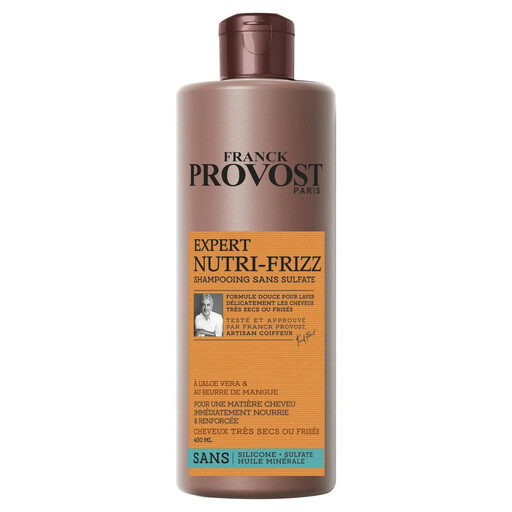
Why we chose it : Its sulfate-free and silicone-free formula deeply hydrates without weighing hair down. It's ideal for taming the frizz of very dry hair on a daily basis, while respecting its natural texture.
Unlike products that mask frizz with silicones, this one relies on mango butter and aloe vera for lasting hydration and a deep treatment.
It provides a gentle cleanse that respects the balance of the scalp and lengths, leaving hair nourished and easy to style.
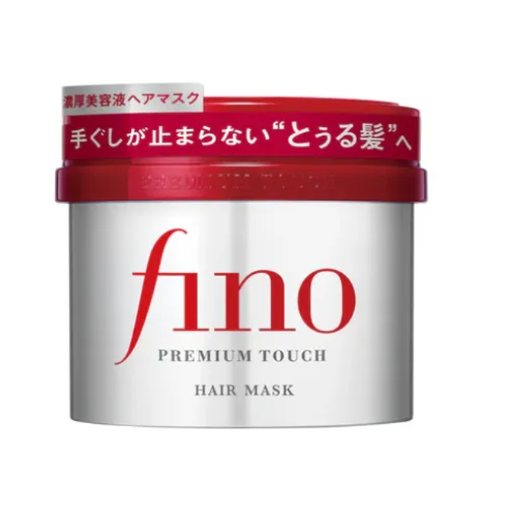
Why we chose it : This is an intensive treatment inspired by Japanese hair care rituals, designed for hair that has been stressed by chemical treatments (colouring, bleaching) or heat from styling tools.
It doesn't just provide a surface-level effect. Its formula penetrates the core of the hair fibre to rebuild it from the inside out, thanks to ingredients like royal jelly and an amino acid complex.
It delivers stunning softness and shine from the very first use. With continued application, hair becomes more supple and stronger.
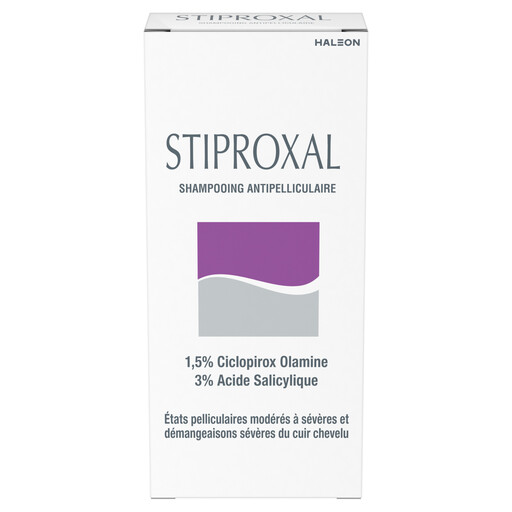
Why we chose it : This is a targeted solution for severe dandruff and itching. Note that this is not a treatment for your lengths, but a true treatment to purify the scalp—the foundation of healthy hair.
Instead of just masking the discomfort, this anti-dandruff shampoo tackles the root causes of the problem with Ciclopirox Olamine and eliminates flakes with salicylic acid.
A dermatologically-inspired formula that purifies and provides lasting relief to the scalp, putting an end to itching and stubborn dandruff.
We have curated a complete list of products that meet our charter for quality and effectiveness.
A conditioner's main purpose is to seal the hair's cuticles after washing, make detangling easier, and provide surface-level protection. Its formula is lighter, and it requires a short application time (1 to 3?minutes). A repairing hair mask, on the other hand, is a much richer treatment that is more concentrated in active ingredients. It penetrates deep into the hair fibre to nourish, hydrate, or repair it from within. Its application time is longer (5 to 20?minutes, or even more), and it's typically used weekly.
It all depends on the condition of your hair and the product you're using.
No, it's impossible to "reseal" a split end. Treatments can temporarily coat the split end to prevent it from travelling further up the hair shaft, but the only permanent solution is a haircut. A good preventative hair care routine, with nourishing treatments and heat protection, remains the best weapon to limit their appearance.