
Livraison le jour même ou le lendemain

Qualité garantie

Débloquez vos offres de bienvenue: Livraison GRATUITE | Jusqu'à -80 % | 30 jours d'essai gratuits à JoyPlus
Téléchargez l'application
Brittle, dull hair that feels as rough as straw?? It's a concern many of us share. Faced with shelves overflowing with promises, it's easy to feel overwhelmed and spend a fortune on products that ultimately fail to deliver. As the Head of Product Recommendations at Joybuy, my role is to guide you. Together, let's break down the common pitfalls to avoid and the essential criteria for choosing a truly effective damaged hair treatment.
Before rushing to buy a product, it's crucial to understand why so many attempts at hair repair fail. The blame often lies with stubborn misconceptions and well-oiled marketing strategies.
To sidestep these traps, you need to focus on concrete elements. Here are the two pillars to examine before any purchase.
The INCI list (the list of ingredients) is your best ally. For a treatment for bleached hair or damaged hair, certain types of ingredients are particularly worth seeking out?:
Each product has a specific role. An effective routine isn't an accumulation of products, but a synergistic combination of several steps.
Rather than an endless list, here are targeted options based on specific needs to help you build a routine that's right for you.
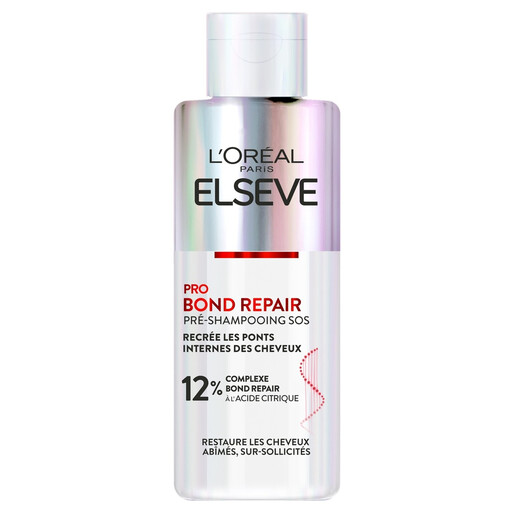
Why we recommend it : For hair put through the wringer by bleaching or heat, repair must start even before washing. This pre-shampoo preps and protects the fibre by directly targeting its damaged internal structure.
It integrates into a complete routine (goodbye, pitfall #3) and acts on the internal structure with citric acid, going beyond a mere surface effect (pitfall #1).
Its Bond Repair technology with citric acid targets the reconstruction of the hair's internal bonds, a fundamental approach for deeply repairing very damaged hair.
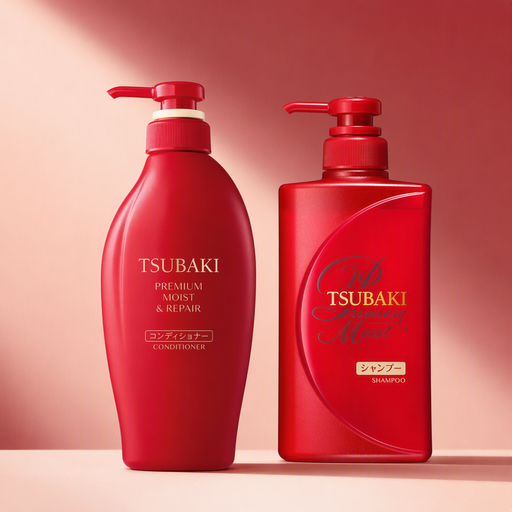
Why we recommend it : For those seeking a simple and effective solution, this duo provides a solid foundation. It combines a gentle cleanse with a repairing and hydrating treatment, perfect for the regular maintenance of dry and damaged hair.
By offering a duo, it encourages a two-step routine (pitfall #3), and its balanced formula provides both hydration and repair (pitfall #2).
Its formula is enriched with camellia oil, squalane, and royal jelly—a cocktail of ingredients renowned for their nourishing and restorative properties.
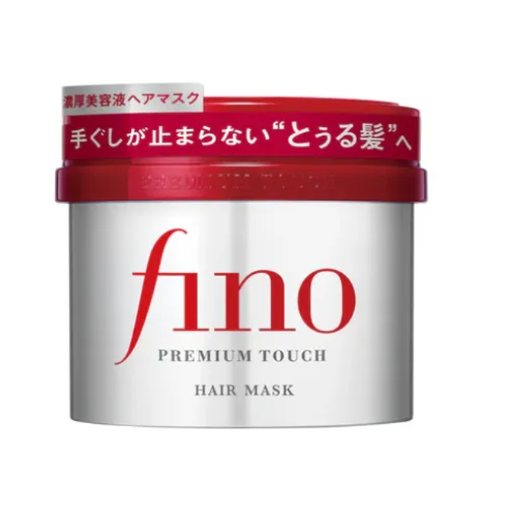
Why we recommend it : When hair is particularly dry and coarse, a simple conditioner is no longer enough. This mask acts as a true intensive treatment that penetrates deeply to restore moisture and suppleness to the hair fibre.
Its ultra-rich formula, packed with conditioning agents, is designed for intense nourishment. It precisely meets the needs of damaged hair, not just a simple lack of hydration (pitfall #2).
It provides deep nutrition and leaves hair visibly smoother, softer, and shinier after just a few minutes of application.
We have compiled a complete and up-to-date selection of products that meet these demanding selection criteria and current regulations.
For most hair types, a once-a-week application is a good starting point. If your hair is extremely dry or damaged, you can increase this to twice a week. Most importantly?: listen to your hair. If it starts to feel heavy or gets greasy quickly, space out your applications.
You have to be realistic?: hair is an inert material. Treatments can't "heal" it the way skin regenerates. However, a good damaged hair routine can fill in gaps, smooth the cuticle, and strengthen the fibre, restoring the look and feel of healthy hair. It also prevents future breakage, allowing new, healthy hair to grow.
While not mandatory, it is highly recommended for damaged hair. It acts as a protective shield throughout the day against friction, pollution, and heat from styling tools. It's a key step in preserving the benefits of the other treatments in your routine and preventing further damage.