
Livraison le jour même ou le lendemain

Qualité garantie

Débloquez vos offres de bienvenue: Livraison GRATUITE | Jusqu'à -80 % | 30 jours d'essai gratuits à JoyPlus
Téléchargez l'application
By Joybuy, your product expert. Published August 26, 2026.
Dry, brittle, dull hair... it's a problem many of us know all too well. Faced with a vast landscape of treatments promising spectacular repair, it's easy to feel lost and end up with an ineffective product gathering dust on your shelf. This guide is here to provide clarity, help you navigate the marketing ploys, and focus on what truly matters to find the damaged hair treatment that's right for you.
Before you commit to a product, it's crucial to understand the common misconceptions and marketing strategies that can lead you astray.
To make an informed choice, you need to learn how to read labels. Here are the key points to check.
The structure of hair is 95% keratin, a protein. Damage from heat, colouring, and friction weakens this structure. A good repairing hair treatment must contain agents capable of filling in these gaps.
Identify your hair's primary need to choose the right active ingredients.
The format of the treatment directly influences its action and how you use it.
Because every head of hair is unique, here is our selection of tested and approved products, tailored to different needs to help you find your perfect match.
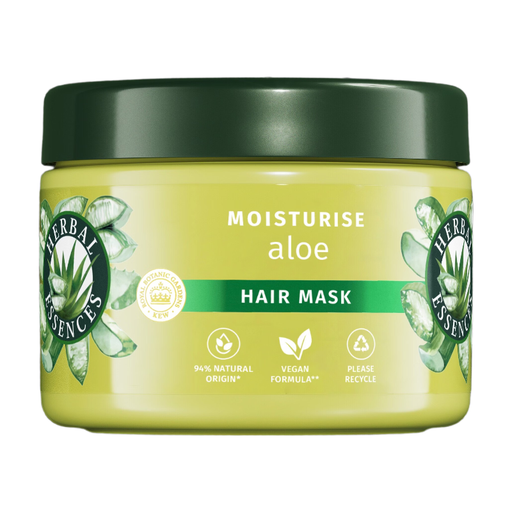
Why we recommend it: Perfect for those who want a solid dose of daily hydration at an accessible price point. Its generous 500 ml size ensures excellent value for money, ideal for frequent use.
This mask gets straight to the point: hydration. It combines proven active ingredients like aloe vera and coconut extracts to quench thirsty, dry hair, without any false promises of miracle repairs.
Its rich and creamy texture drenches the hair fibre in moisture, leaving hair visibly softer and easier to detangle. A simple and incredibly effective staple.
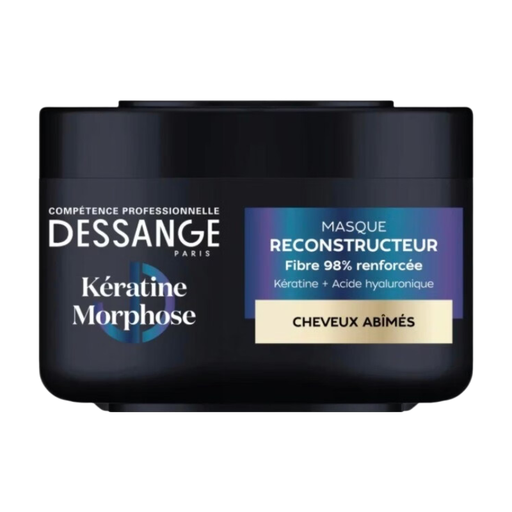
Why we recommend it: A powerhouse solution for hair that's been stressed by colouring or heat styling. It's designed for those who need true reconstructive therapy to restore strong, supple hair.
There's no single miracle ingredient here, but a winning duo: a complex with plant-based keratin to rebuild the fibre, combined with hyaluronic acid to hydrate it. It tackles the two main issues of damaged hair: lack of substance and lack of moisture.
Inspired by professional treatments, its formula works at the core of the fibre to restructure it. The result? Hair that is up to 98% more resistant (according to the manufacturer), proving its targeted and effective action.
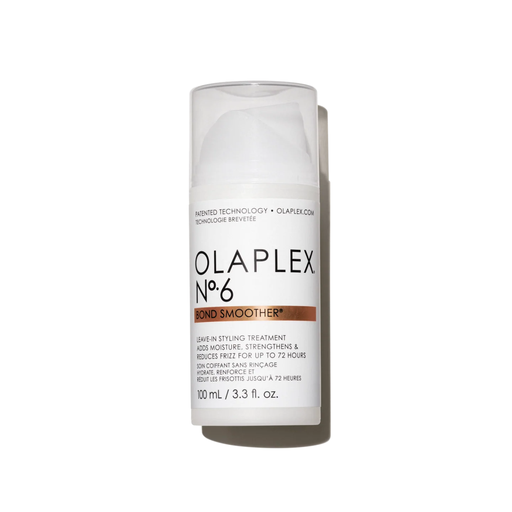
Why we recommend it: The secret weapon against frizz and unruly hair. This leave-in cream is a true daily shield: it protects, makes styling easier, and continuously repairs the hair fibre.
More than just a styling product, it incorporates Olaplex's patented technology that rebuilds the hair's internal bonds. In short, it doesn't just mask the damage, it repairs it at the source.
A true Swiss Army knife for your hair: it repairs, hydrates, and protects from heat up to 232°C. It's ultra-concentrated, so a pea-sized amount is all you need, making it more cost-effective than it seems.
We have selected a complete range of products for you that meet our criteria for quality and effectiveness.
A conditioner primarily works on the surface: its main job is to detangle, smooth the hair cuticles, and prepare it for styling. It requires a very short application time (1 to 2 minutes). A mask, on the other hand, is a true repairing hair treatment. It's more concentrated and formulated to penetrate deep into the hair fibre. You leave it on for longer (from 5 to 20 minutes) to give its active ingredients time to nourish and repair the hair from within.
For a mask for dry, damaged hair, the right frequency is once or twice a week. Be careful not to overdo it: too many rich treatments can weigh down and saturate the hair fibre. A leave-in treatment for damaged hair, however, can be used in small amounts daily or after each wash for continuous protection and hydration.
It's important to distinguish between the two: they don't have the same purpose or potency. At-home treatments (masks, serums, etc.) are for maintenance. They strengthen the fibre, smooth the cuticles, and boost shine. A salon treatment (like a Brazilian blowout) is a more powerful technical process that alters the hair's structure for a smoothing and repairing effect that lasts for several months. At-home treatments are therefore perfect for extending the benefits of a salon service, or for a gentler, more gradual repair.