
Livraison le jour même ou le lendemain

Qualité garantie

Débloquez vos offres de bienvenue: Livraison GRATUITE | Jusqu'à -80 % | 30 jours d'essai gratuits à JoyPlus
Téléchargez l'application
Dry hair, split ends, dull lengths or breakage after colouring: choosing a shampoo for damaged hair is not simply a matter of believing the claims on the bottle. A formula that is too harsh can make dryness worse, while a shampoo that is too rich may weigh down fine hair.
To avoid disappointment, check the ingredients, the hair type it is designed for, the size and the usage instructions. Here are the key points to consider before choosing a repairing shampoo for dry hair, an anti-breakage shampoo or a formula designed for curly hair.
A shampoo can leave hair feeling softer and looking shinier thanks to conditioning agents, oils or silicones. This makes styling easier, but it does not necessarily mean that the hair fibre has actually been “repaired”. Once split ends have formed, they cannot be permanently fused back together with shampoo: only a trim, combined with a suitable haircare routine, can improve the appearance of very damaged ends.
The presence of sodium lauryl sulfate, sodium laureth sulfate or other cleansing agents does not automatically make a product unsuitable. However, very dry, curly or weakened hair may tolerate a gentle cleansing base and less frequent washing better. So do not focus on just one ingredient highlighted by the brand: it is the formula as a whole that matters.
Some brands advertise a percentage reduction in breakage or an improvement in hair strength. These results are often based on a complete routine combining shampoo, conditioner and leave-in treatment. When a numerical claim appears on the packaging, check the test conditions and do not treat it as a guarantee that applies to every user.
For regular use, choose a formula that cleanses effectively without causing tightness or discomfort. Sulphate-free shampoos for damaged hair often contain surfactants such as sodium cocoyl isethionate, disodium laureth sulfosuccinate, glucosides or certain amino-acid derivatives.
A more lathering formula may be suitable if your hair becomes greasy quickly or if you use a lot of styling products. In all cases, apply the shampoo mainly to the scalp, then let the lather run through the lengths as you rinse.
For a moisturising shampoo designed for dry hair, look in particular for glycerine, panthenol, sodium PCA or hyaluronic acid. These ingredients help maintain a supple feel, but on their own they are not a repairing treatment.
Brittle hair may also benefit from hydrolysed proteins, amino acids and film-forming agents. Argan, avocado, jojoba or macadamia oils, along with shea butter, provide more of a nourishing feel. However, their benefits depend on the porosity and thickness of your hair.
A 1,000 ml bottle may be good value for a family or for frequent use. However, it takes up more space and needs to be stored properly. Conversely, a 50 ml size lets you test a formula before investing in a larger bottle. To compare prices, calculate the cost per litre and estimate how much you actually need for each wash.
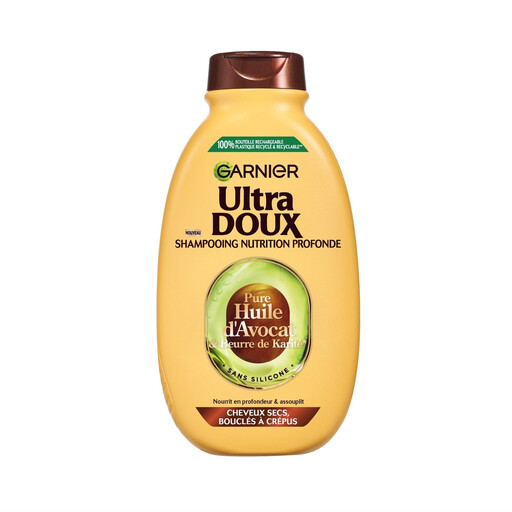
Why this choice suits this profile : With avocado oil and shea butter, this formula is designed for dry, curly or frizz-prone hair. Its size remains affordable for anyone starting a new routine.
The description focuses on nourishment for dry hair rather than promising miraculous repair. You can then check the ingredients list for cleansing agents and nourishing ingredients.
Avocado oil, shea butter, creamy texture and 300 ml size.
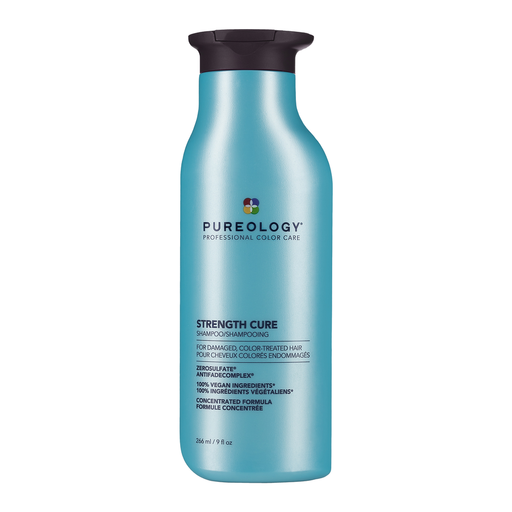
Why this choice suits this profile : Sulphate-free and vegan according to the product listing, this formula is designed for coloured and damaged hair. It helps preserve colour while caring for the hair fibre.
The detailed ingredients list lets you verify the brand’s sulphate-free claim, rather than relying solely on the word “professional”.
Claimed sulphate-free cleansing base, conditioning agents, olive oil, camelina oil and vitamin E.
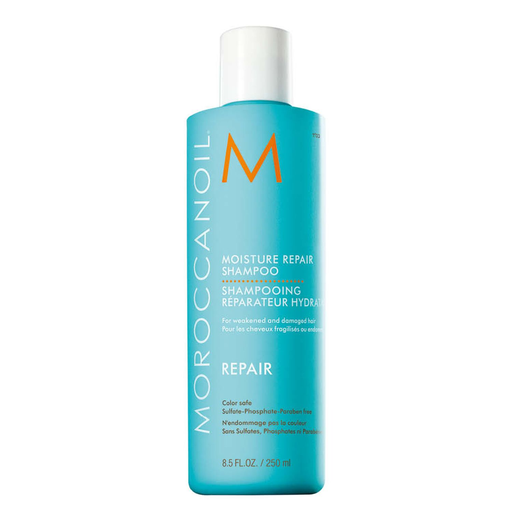
Why this choice suits this profile : Its formula is designed for hair weakened by colouring, chemical treatments or heat styling. It fits easily into a routine combining shampoo and conditioner.
The product listing explains that a large amount of water is needed to activate the concentrated formula. This useful detail helps prevent overuse and ensures the product is rinsed out properly.
Argan and avocado oils, keratin and silk amino acids, hydrolysed plant proteins.
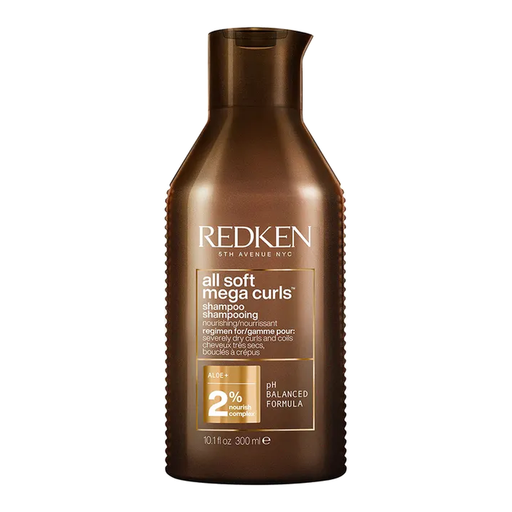
Why this choice suits this profile : Sulphate-free, this shampoo is designed for naturally dry, curly to coily hair that needs moisture and flexibility without overly harsh cleansing.
It is clearly designed for curly to coily hair, rather than offering a supposedly universal formula for all weakened hair types.
Claimed sulphate-free formula, glycerine, powdered aloe vera juice and polyquaternium-67.
We have put together a complete, regularly updated selection of products that meet these exacting criteria, while complying with European safety regulations.
Start by choosing a cleansing base suited to how often you wash your hair. Then look for moisturising agents such as glycerine, hydrolysed proteins or plant oils. For curly, dry hair, a sulphate-free formula may be worth considering if it cleanses the scalp properly without irritating it.
It can leave hair feeling softer, reduce friction and make detangling easier, helping to limit some breakage caused by handling. However, it cannot permanently fuse split ends back together. When the ends are severely damaged, regular trims and suitable treatments remain essential.
Assess how your hair feels during washing, how easy it is to detangle and how the lengths look over several weeks. If your hair starts to feel weighed down, alternate with a lighter formula. If your scalp reacts, stop using the product and check the ingredients list on the bottle you bought: formulations can change.