
Livraison le jour même ou le lendemain

Qualité garantie

Débloquez vos offres de bienvenue: Livraison GRATUITE | Jusqu'à -80 % | 30 jours d'essai gratuits à JoyPlus
Téléchargez l'application
Hair left dry after colouring, lengths weakened by heat styling, split ends or persistent frizz – choosing a repairing treatment for damaged hair isn’t just about trusting the promise on the bottle. The texture, how you apply it and the ingredients all need to match your hair type and your routine.
Some mistakes are particularly common when shopping. A product that’s too rich can weigh down fine hair, while a treatment that’s too light won’t tame thick or curly hair. Another frequent confusion: mistaking an instant feeling of softness for lasting fibre repair. Film-forming agents can smooth the hair’s surface temporarily, but they don’t replace a consistent, well-suited routine.
Claims like “repair”, “keratin” or “anti-frizz” often describe a cosmetic effect, without guaranteeing the same result on every head of hair. Also look at the texture, the recommended leave-on time and how it’s meant to be used.
A repairing hair oil or leave-in serum applied in too large a quantity can quickly look greasy. On the other hand, a pea-sized amount of mask may not be enough for very thick, porous or chemically treated hair. The manufacturer’s recommendations are a good starting point, but adjust according to your hair’s length, density and volume.
A mask that needs 5 to 10 minutes to work fits well into a weekly routine, but can become a hassle when every minute counts. A leave-in treatment is easier to incorporate into daily use, while an oil needs targeted application on the mid-lengths and ends.
A mask for damaged hair is usually applied after shampooing, on towel-dried hair, before rinsing. Stick to the recommended leave-on time and frequency to avoid product build-up.
A leave-in formula is used on dry or slightly damp hair, most often from the mid-lengths to the ends. It fits easily into your routine before drying or styling.
Oil should be applied sparingly, especially on hair that’s still slightly damp after towel-drying. For medium-length hair, one pump may be enough, depending on the product’s instructions and your hair’s density.
Silicones, oils, hydrolysed proteins, conditioning agents and humectants all play different roles. Film-forming agents can improve the feel and shine on the surface. Oils and certain fats mainly add softness and make styling easier. Hydrolysed proteins are often used in treatments for weakened hair.
Also check the ingredient list if you’re sensitive to fragrance or certain components. Follow the usage precautions: these products are for external use only, avoid contact with the eyes and stop using if irritation occurs. For imported products, make sure the manufacturer’s details and the responsible person in the European Union are clearly stated.
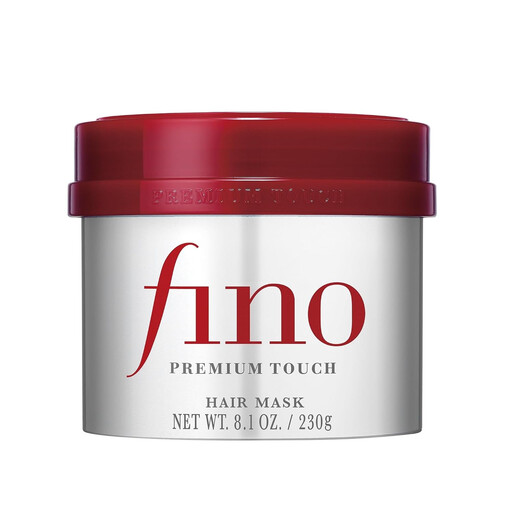
Why this suits this profile: This 230g pot is used once or twice a week after shampooing, with a recommended leave-on time of 5 to 10 minutes. It fits easily into an at-home hair care routine for dry and damaged hair.
The leave-on time and frequency of use are clearly stated, which helps avoid applying too much or too often.
The formula contains glycerin, hydrolysed silk proteins, squalane and several amino acids. The product is rinsed off after application.
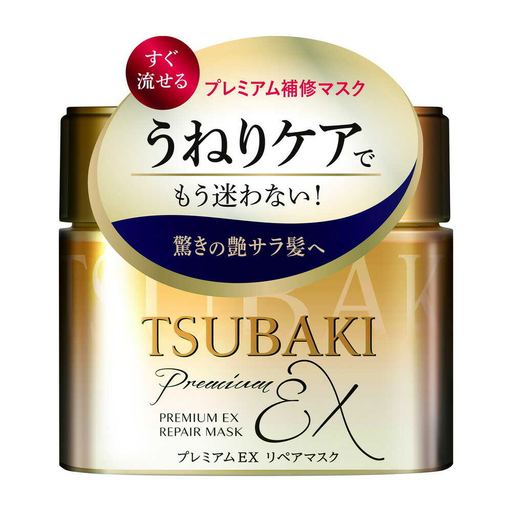
Why this suits this profile: This Japanese option is designed for dry, damaged or chemically treated hair. It fits into a structured routine once or twice a week, with no stated leave-on time.
The lack of a waiting time reduces the risk of giving up on routines that are too long, and makes regular use easier.
The formula contains camellia oil, royal jelly extract and soy proteins. It is stated to be sulphate-free and paraben-free.
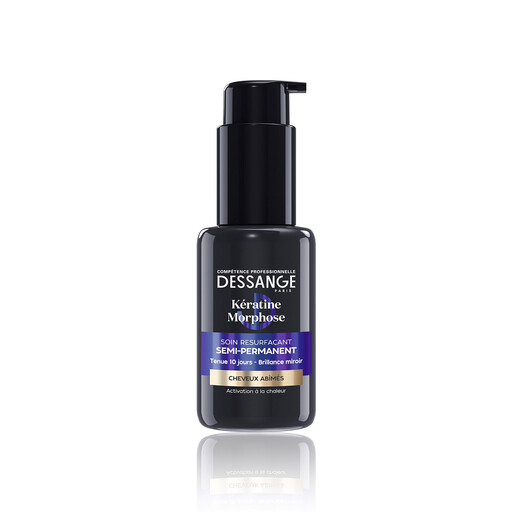
Why this suits this profile: This leave-in treatment can be used daily or as needed, on dry or towel-dried hair, from the mid-lengths to the ends. It is particularly suitable for people who style their hair every day.
The leave-in formula avoids adding extra steps to your routine. However, the amount used should still be kept reasonable to avoid weighing down fine hair.
The product page states a smoothing effect on the fibre, anti-frizz action and protection against humidity that can last up to 10 days*. The bottle contains 50ml.
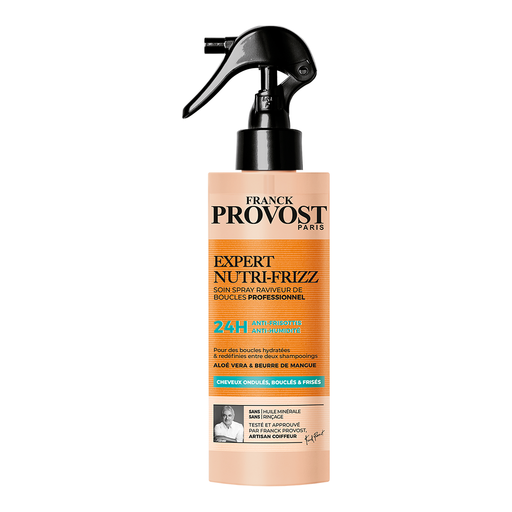
Why this suits this profile: This leave-in spray is designed to revive and redefine curls between washes. Its 190ml format is ideal for regular touch-ups on curly or wavy hair.
The spray format allows you to distribute the product gradually, reducing the risk of overloading, especially on looser curls.
The formula contains coconut oil, aloe vera and mango butter. The product page states frizz control for up to 24 hours, with no rinsing required.
We’ve put together a comprehensive, real-time updated list of products that meet these demanding selection criteria and European safety regulations.
No cosmetic product can permanently mend an already split end. Repairing split ends mainly refers to a visual and tactile improvement of the fibre. When the ends are very damaged, only a trim will let you start again from a healthy base.
A nourishing hair mask works well as part of a weekly routine, especially for thick, porous or chemically treated hair. An oil can complement the treatment on the ends, as long as you keep the amount very light.
Yes, if the instructions allow it and the amount you apply stays moderate. Focus the product on the lengths. If your hair is fine or tends to get weighed down, space out applications and choose a lighter texture.
Softness, shine and ease of styling can improve from the first few uses. However, the result depends on your hair’s starting condition and how consistent you are with your routine. A treatment doesn’t replace a trim, heat protection or a suitable shampoo.