
Livraison le jour même ou le lendemain

Qualité garantie

Débloquez vos offres de bienvenue: Livraison GRATUITE | Jusqu'à -80 % | 30 jours d'essai gratuits à JoyPlus
Téléchargez l'application
Dull hair after colouring, split ends, frizz at the first sign of rain, or curls that lose their definition: choosing damaged hair care isn't simply about spotting the word "repair" on a packet. A formula that's too rich can weigh hair down, while a poorly measured leave-in treatment can leave a greasy film.
Before you buy a repairing mask, a conditioner for dry hair or a hair oil, start by identifying the type of damage and the kind of care your hair actually needs.
Hair care products can coat the fibre, make detangling easier, visually smooth the cuticles and leave hair feeling softer. However, they cannot permanently fix a split end. A claim like "repair" usually describes how the formula affects the look and feel of the hair.
To avoid disappointment, look at the conditioning agents, oils, proteins and film-forming ingredients in the formulation, rather than just the product name.
A rich mask can work wonders on dry, thick, curly or chemically treated hair, but can be too heavy for fine hair. On the other hand, using too much oil can make hair lose its volume and may require several washes to remove.
Porosity, density and how often you wash are just as important as how dry your hair is.
INCI lists can mention fragrance allergens such as limonene, linalool or coumarin. If you have sensitive skin, it's wise to check the label carefully before buying and to do a patch test first. If irritation occurs, stop using the product immediately and rinse the affected area.
Always read the instructions on the packaging: a product designed to be rinsed out should not be used as a leave-in treatment.
Hydrolysed proteins, keratin and certain conditioning agents can make hair feel stronger and easier to style. Plant oils, shea butter, squalane and humectants mainly add comfort to dry hair.
For curly or frizzy hair, choose a formula that combines softness, definition and detangling. A texture that's too rich can loosen curls, while a treatment that's too light may not be enough for very porous hair.
Hair dryers, straighteners and curling irons increase dryness when used frequently. If you use heat styling tools, look for an explicit heat protection claim and apply the product as directed. An oil or styling cream does not necessarily protect hair from heat.
When shopping in France, also check for the essential information: ingredients list, net quantity, usage precautions, name and address of the responsible person established in the European Union where applicable, as well as the period after opening or the minimum durability date.
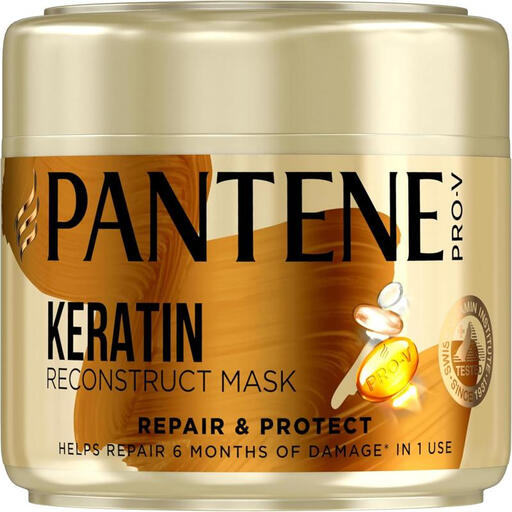
Why this choice suits this profile: With its 300 ml and a recommended leave-on time of 3 to 5 minutes, this mask fits easily into a weekly home routine.
The instructions clearly state it is used after shampooing on wet hair, with a thorough rinse – so the risk of overusing it as a daily treatment is limited.
The formula contains keratin, panthenol and conditioning agents. The product targets dry, damaged or heavily treated hair.
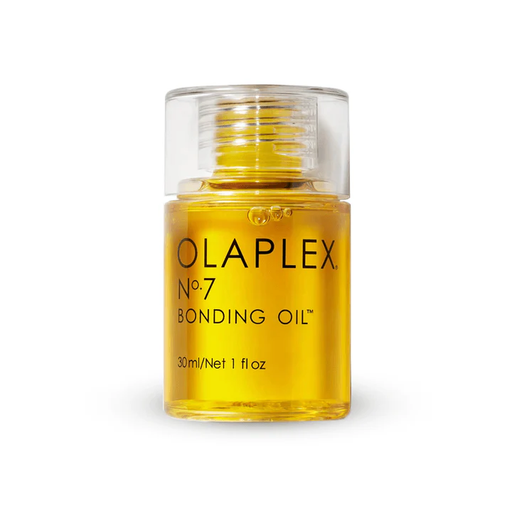
Why this choice suits this profile: Its small size is ideal for those looking for a precise finishing treatment for hair that is regularly blow-dried or straightened.
The heat protection claimed up to 230 °C is a brand indication: use the product as directed and still opt for a sensible temperature.
The formula contains dimethicone, plant oils and Bis-Aminopropyl Diglycol Dimaleate. It can be applied to both wet and dry hair.
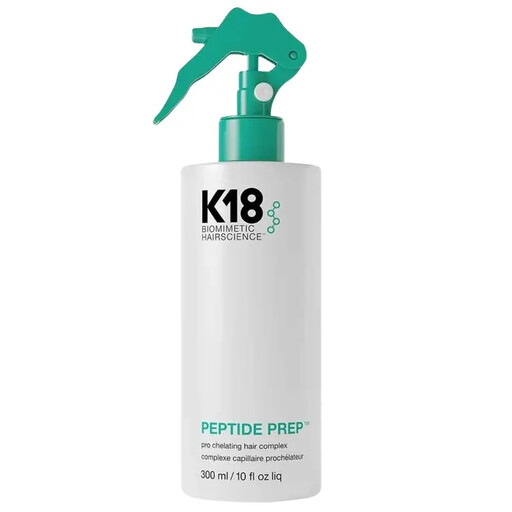
Why this choice suits this profile: This size is particularly aimed at hairdressers and those dealing with hard water or mineral build-up before a technical service.
It addresses a specific problem of mineral and metal deposits, not just a general need for nourishment. The product page recommends a four-minute application, followed by rinsing.
This ready-to-use formula prepares the hair. It contains carnosine, chelating agents and lactic acid.
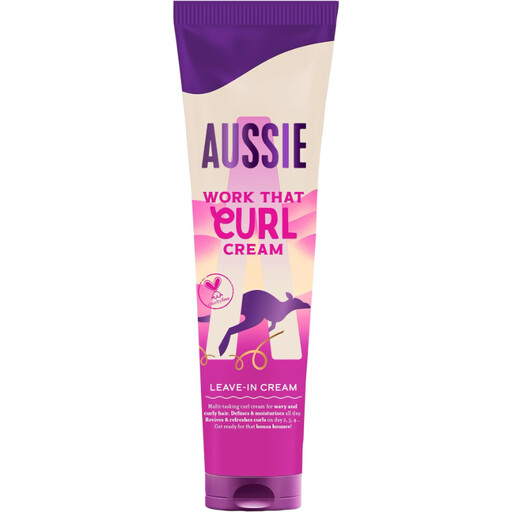
Why this choice suits this profile: This leave-in cream can be applied to wet hair to define curls, or to dry hair to refresh their shape and feel.
Its leave-in use is clearly stated, and the amount can be adjusted to your hair's density, which limits the risk of build-up.
The formula contains coconut oil, glycerin and conditioning agents. According to the product page, it is vegan and not tested on animals.
We've put together a comprehensive, real-time updated selection of products that meet these exacting criteria and European safety standards.
Start with a suitable shampoo, then apply a conditioner for dry hair every time you wash if your lengths lack softness. Add a mask once or twice a week when your hair is very dry, coloured or brittle. Finish with a small amount of leave-in treatment on the lengths.
To combat frizz, focus the product on areas exposed to humidity and avoid the roots. On curly hair, distribute the cream with your hands, then let it dry without handling it too much. Also, reduce the temperature of your heat styling tools and protect the ends before styling.
A nourishing conditioner is enough for everyday maintenance. If the dryness is more pronounced, add a repairing mask containing conditioning agents, oils or proteins. The right choice also depends on the fineness and density of your hair.
Most of the formulas shown here recommend one to two applications per week. Follow the manufacturer's instructions and space out the uses if your hair becomes heavy or loses volume.
No. An oil, cream or serum does not automatically provide heat protection. Look for this claim on the packaging and stick to the temperature recommended by the manufacturer.