
Livraison le jour même ou le lendemain

Qualité garantie

Débloquez vos offres de bienvenue: Livraison GRATUITE | Jusqu'à -80 % | 30 jours d'essai gratuits à JoyPlus
Téléchargez l'application
Dry hair, split ends, rough lengths or colour that fades too quickly: damaged hair care covers a wide range of needs. But a promise of "instant repair" on the packaging isn't enough to find the product that's truly right for you.
Some mistakes are particularly common:
The selection below focuses on very specific needs: dry hair, bleached hair, heat-exposed hair, fine hair, curly hair or hair affected by hard water.
A repairing hair mask is usually applied after shampooing, on towel-dried hair, from mid-lengths to the ends. Its dense texture suits thick, porous or very damaged hair, but can be too rich for fine hair.
A conditioner for dry hair is better suited for use every time you wash. It adds slip, makes detangling easier and often only needs a few minutes to work. If your hair is fine, go for a formula labelled as lightweight or volumising.
A damaged hair oil or serum is used in small amounts, on damp or dry hair. Depending on your length, one or two pumps may be enough. It's usually best to avoid the roots if they get greasy quickly.
Start by checking the INCI list, which is mandatory for cosmetic products sold in the European Union. Conditioning agents, oils, hydrolysed proteins and humectants like glycerin or panthenol can improve softness and manageability.
Silicones aren't automatically a bad thing: they can form a smoothing film and reduce friction during styling. However, a heavily fragranced formula may not suit sensitive scalps. If you're prone to reactions, check the list of fragrance allergens on the label and do a patch test with caution.
Hair fibre repair is therefore a cosmetic claim. A treatment can improve the look and feel of your hair, but split ends that are already there won't permanently fuse back together.
For a damaged hair treatment, it's better to alternate functions than to collect lots of products. A mask used once or twice a week can complement a regular conditioner. A leave-in treatment is most useful when your lengths need protection from friction, humidity or styling.
If you regularly use a hairdryer, curling iron or straighteners, check that the product explicitly claims heat protection for hair. Also follow the temperature recommended by your styling tool and never run straighteners over a section that's still damp.
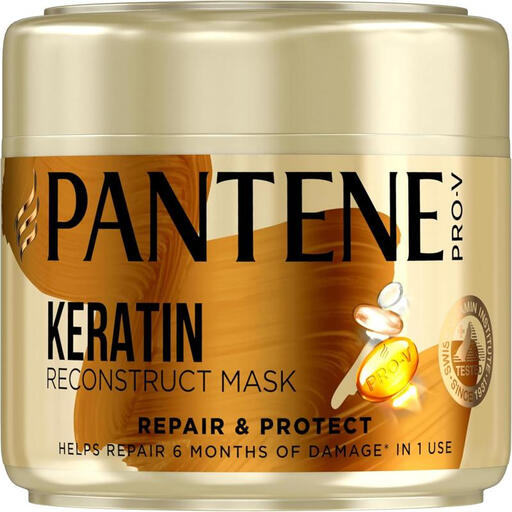
Why this suits this profile: with its 300 ml size and 3 to 5-minute treatment time, this mask fits easily into a home routine.
The stated treatment time stops you from leaving the product on too long, thinking it will work better.
According to the product page, its formula contains keratin and Pro-V nutrients. The mask is rinsed out after application.
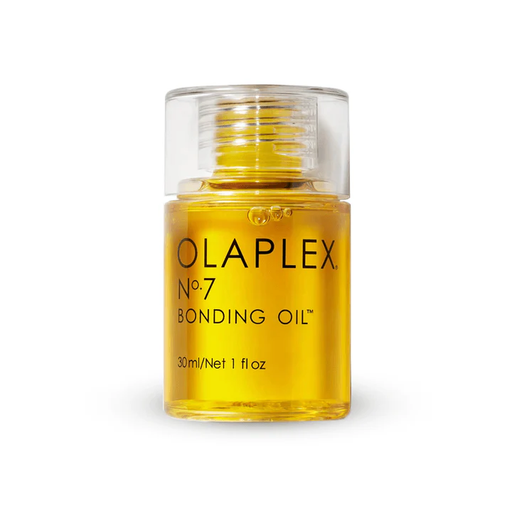
Why this suits this profile: its small size is ideal for those who want a lightweight finish before or after styling.
The recommendation to use only the amount you need reduces the risk of overloading your hair, a common problem with rich oils.
The product page states it can be used on damp or dry hair, as well as before heat styling, with protection claimed up to 230°C.
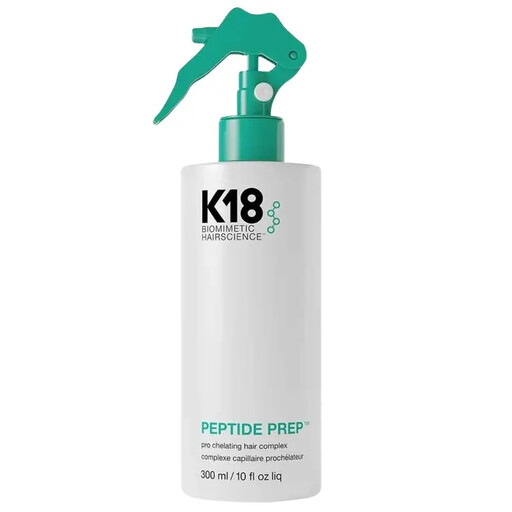
Why this suits this profile: this size is presented for professional use and targets mineral or metal deposits from hard water.
It doesn't present itself as a one-size-fits-all moisturising mask: its role is clearly defined and its treatment time is four minutes.
According to the description, the formula is used without mixing or rinsing and prepares the hair before chemical services.
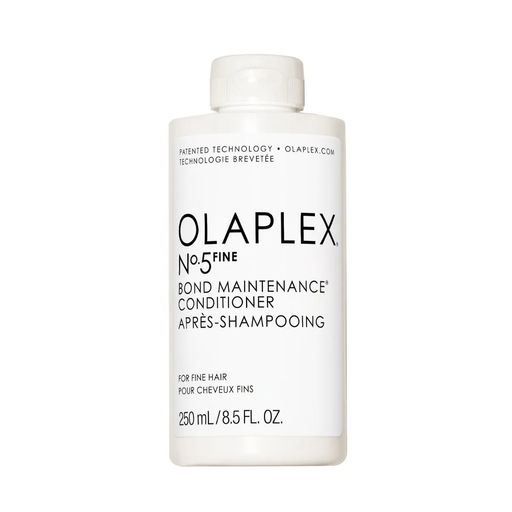
Why this suits this profile: designed for fine hair and with a 1 to 3-minute treatment time, it fits easily into frequent washing routines.
The "fine hair" label stops you from choosing a very heavy treatment just because your lengths are dry.
This 250 ml conditioner is applied from mid-lengths to the ends. Its formula is described as lightweight.
We've put together a complete, real-time selection of products that meet these exacting criteria and European safety regulations.
For more options, the TSUBAKI Premium Repair Hair Mask 180 g is used with no specified treatment time, while the FINO Premium Touch Hair Mask 230 g needs around 5 to 10 minutes before rinsing. This detail can make all the difference when you're trying to fit professional hair treatments into a home routine.
A rich mask, used once or twice a week, can work well for thick or very damaged lengths. Complete your routine with a conditioner and a small amount of oil on the ends. If your hair is fine, start with a lightweight texture to avoid a flat, limp look.
That's generally not necessary. Follow the frequency stated on the packaging and observe how your hair feels. If it becomes heavy, dull or hard to style, space out the applications and switch back to a lighter conditioner.
No. An oil can only be considered a heat protectant if the manufacturer clearly states this function. Apply the recommended amount to mid-lengths and ends, then check the instructions before using any heated styling tool.