
Livraison le jour même ou le lendemain

Qualité garantie

Débloquez vos offres de bienvenue: Livraison GRATUITE | Jusqu'à -80 % | 30 jours d'essai gratuits à JoyPlus
Téléchargez l'application
Dry hair, split ends, breakage or persistent frizz: a damaged hair care product shouldn't just give you a fleeting feeling of softness for a few hours. It needs to address the root cause of the weakness. Colouring, bleaching, perms, repeated blow-drying and heat styling tools can all damage the hair fibre and make detangling a chore.
The right choice depends on your hair texture, its level of dryness and your habits. Here are the criteria to consider before buying a conditioner, a mask or a complete routine.
A formula rich in conditioning agents can make hair feel very soft straight after rinsing. Styling becomes easier, but that doesn't mean the fibre has been permanently 'repaired' in any medical sense. To compare two products, look instead at their intended use, how often you should apply them and the targeted area: scalp, lengths or ends.
A mask or conditioner designed for very dry hair can work wonders on thick, porous hair, but it can weigh fine hair down. Conversely, a lightweight texture may not be enough for bleached lengths. The terms 'nourishing', 'hydrating' and 'repairing' should always be checked against the ingredients list and the instructions for use.
The numerical results on some packaging are often based on a protocol defined by the brand. A promise of reduced breakage or increased shine should therefore be interpreted in light of the test conditions. It doesn't guarantee the same result for everyone. Look for details like 'instrumental test' and treat this data as a point of comparison, not a universal promise.
For a dry and brittle hair care product, look for a balance between humectants, fatty substances and detangling agents. Glycerin, plant oils, fatty alcohols and certain conditioning agents can improve suppleness and make styling more comfortable.
Silicones and conditioning polymers improve slip, reduce friction and can help tame frizz. They aren't inherently incompatible with a hair care routine. However, very rich products used in excess can leave a build-up feeling.
Argan, camellia, jojoba, coconut or macadamia oils feature in many formulas. Their benefit depends mainly on the amount deposited and your hair's porosity. Also remember to check the list of fragrance allergens and follow the precautions on the packaging.
A 1,000 ml bottle is suitable for family or intensive use. Conversely, a 110 to 200 ml format lets you test a formula without spending a lot. A consistent routine could include:
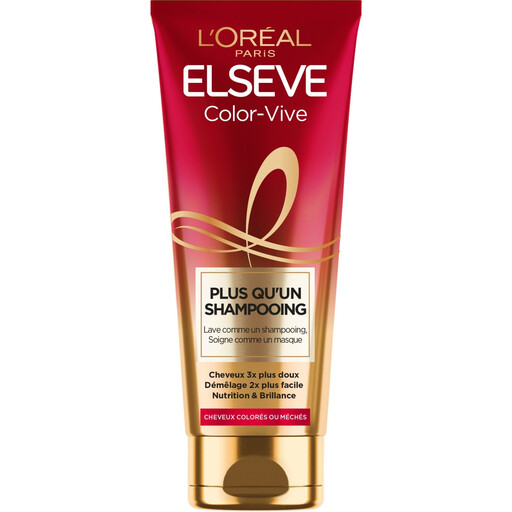
Why this choice suits this profile: this compact format combines washing and conditioning for coloured or highlighted hair. A simple solution to add to your bathroom cabinet without cluttering it with extra bottles.
It stops you buying multiple products from the start and clearly states it's for coloured and highlighted hair.
200 ml format, apply to damp hair, and claims to cleanse, nourish and detangle.
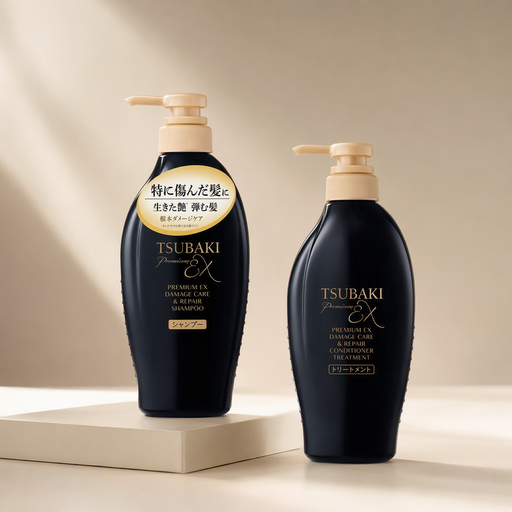
Why this choice suits this profile: this Japanese hair care set pairs a 450 ml shampoo with a 450 ml conditioner to establish a complete routine for dry, coloured or heat-damaged hair.
The ingredients and volumes are detailed, so you can concretely compare the presence of camellia oil, glycerin and conditioning agents.
Made in Japan set, Camellia japonica oil and separate instructions for shampoo and conditioner.
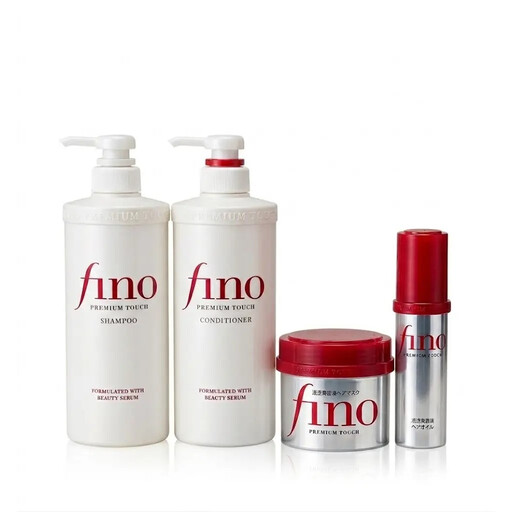
Why this choice suits this profile: this routine brings together shampoo, conditioner, mask and oil for those who want to structure their damaged hair care at home.
The four steps limit risky combinations and clarify the role of each product in the routine.
Set contents: shampoo 550 ml, conditioner 550 ml, mask 230 g and oil 70 ml.
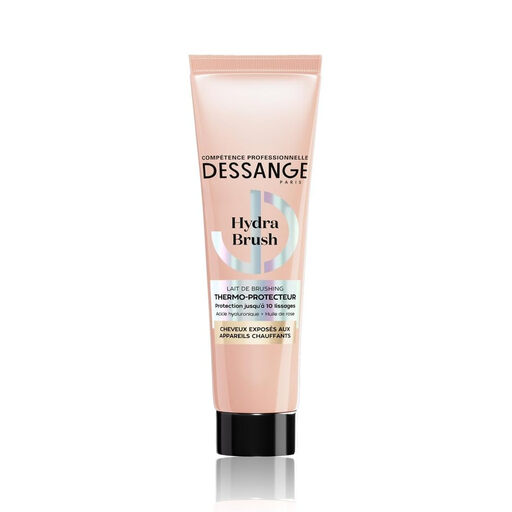
Why this choice suits this profile: this leave-in milk is applied to washed, towel-dried hair before blow-drying or straightening. It specifically targets frizz.
It clearly distinguishes daily care from heat protection and claims protection up to 230°C.
140 ml milk, hyaluronic acid, rose oil and leave-in application before styling.
We've put together a comprehensive, real-time updated list of products that fully meet these strict selection criteria and European safety regulations.
Apply the shampoo to your scalp, then let the lather run down the lengths without scrubbing vigorously. After rinsing, gently squeeze out your hair before applying the damaged hair conditioner. This step stops the product from being too diluted and helps it spread evenly.
With a damaged hair mask, focus the application on the mid-lengths and ends. A few minutes' leave-in time is usually enough, depending on the manufacturer's instructions. Then apply the nourishing hair oil in small amounts, on dry or damp hair, avoiding the roots if they get greasy quickly.
If your hair is coloured, bleached or permed, lower the temperature of your heat styling tools and space out chemical treatments. No product can replace a trim for very split ends or treat a scalp irritation. If you experience redness, itching or discomfort, stop using the product. If it gets in your eyes, rinse thoroughly.
Start with a rich conditioner applied to the lengths, then add a mask once or twice a week. If your hair still feels rough, a small amount of oil or leave-in treatment can complete the routine. Adjust the frequency according to your hair's fineness and porosity.
Yes, as long as the product is designed for frequent use and doesn't cause heaviness or discomfort. Conditioner can be used with every wash, while a concentrated mask is usually reserved for occasional use. Always refer to the product's instructions.
It depends on the format, how often you use it and the length of your hair. Follow the best-before date or the period after opening indicated on the packaging. Keep bottles away from heat and light, and replace any product whose smell, texture or colour has changed.