
Livraison le jour même ou le lendemain

Qualité garantie

Débloquez vos offres de bienvenue: Livraison GRATUITE | Jusqu'à -80 % | 30 jours d'essai gratuits à JoyPlus
Téléchargez l'application
Dry hair, snagging ends, breakage after colouring or a lack of shine despite piling on products: damaged hair treatments don’t all address the same issues. The first step is to pinpoint the problem, rather than falling for the promise of a supposedly one-size-fits-all product.
A treatment can make hair feel softer, shinier and easier to detangle from the very first use, thanks to conditioning agents, oils or silicones. This result improves the look and feel of the hair fibre, but it doesn’t mean split ends have been permanently mended. A split end that has already formed cannot be durably glued back together by a cosmetic product – only a trim can truly get rid of it.
On fine hair, a build-up of oils, butters or conditioning films can quickly lead to a loss of volume. Conversely, hair that’s been severely weakened by bleaching, heat or chemical treatments can benefit from a protein hair mask used occasionally. However, too much protein can leave hair feeling stiff, even dry. It’s best to alternate between hydration, nourishment and protein.
The term ‘repairing’ doesn’t tell you much about the ingredients or how the product should actually be used. Check its category, the recommended leave-in time, the format and the ingredient list. A shampoo is primarily for cleansing the scalp, whereas a repairing conditioner mainly works on the lengths. For coloured hair, how often you wash and how gently you cleanse are just as important.
Shampoo should mainly be applied to the scalp. The lather that runs through when you rinse is usually enough to clean the lengths. Conditioner, mask and oil for dry hair should be concentrated on the mid-lengths and ends. This approach avoids weighing down the roots.
For a treatment designed for dry, brittle hair, look for a combination of humectants, such as glycerin, along with fatty substances and conditioning agents. Long hair can also benefit from an anti-split-end treatment designed to smooth the appearance of the ends, without expecting it to provide a permanent reconstruction.
Hydrolysed keratin, silk, collagen and certain amino acids are common in treatments for weakened hair. Camellia, argan, castor, marula and jojoba oils mainly help to nourish the fibre and improve its feel.
Silicones, such as dimethicone or amodimethicone, can make detangling easier and reduce the feeling of roughness. They aren’t necessarily a problem. However, if you’re looking for a repairing treatment without sulphates, check each formula carefully – the absence of sulphates doesn’t automatically mean silicones are absent too.
In areas where the water is very hard or heavily mineralised, deposits can leave hair rough and dull. A hair detox treatment for metals and minerals can complement your routine, especially before colouring or another chemical treatment. It doesn’t replace a regular shampoo and should be used according to the manufacturer’s instructions.
Finally, if you regularly use a hairdryer, straighteners or curling tongs, make sure you use a heat protectant and keep the temperature down. No treatment can fully compensate for exposure to heat that’s too high or too frequent.
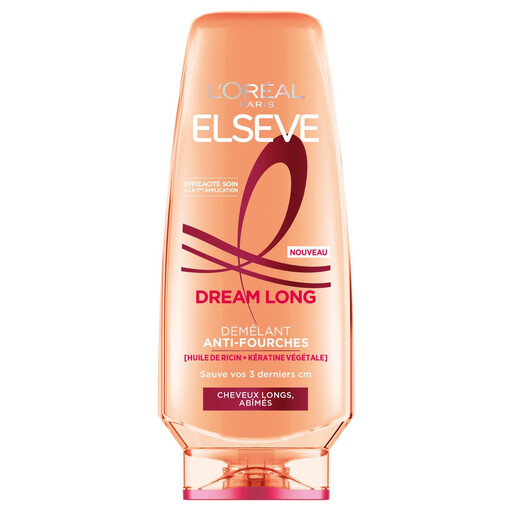
Why this choice suits this profile: An easy format to use after every shampoo for long hair that tangles and has ends lacking flexibility.
It’s applied to the lengths and ends, without requiring a complicated routine or a long leave-in time.
Vegetable keratin, castor oil and a texture that makes detangling easy. Made in France.
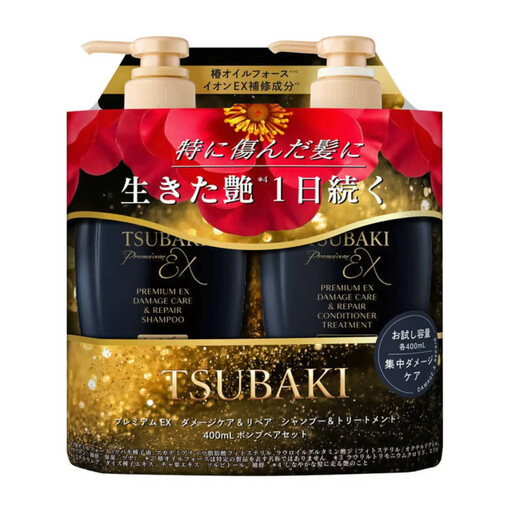
Why this choice suits this profile: A matching duo for those who want to combine washing and conditioning in one at-home routine.
The ingredient list shows Sodium Laureth Sulfate in the shampoo – so this duo isn’t suitable if you’re strictly avoiding sulphates.
Two 400 ml pump bottles, with camellia oil and hydrolysed proteins in the formula.
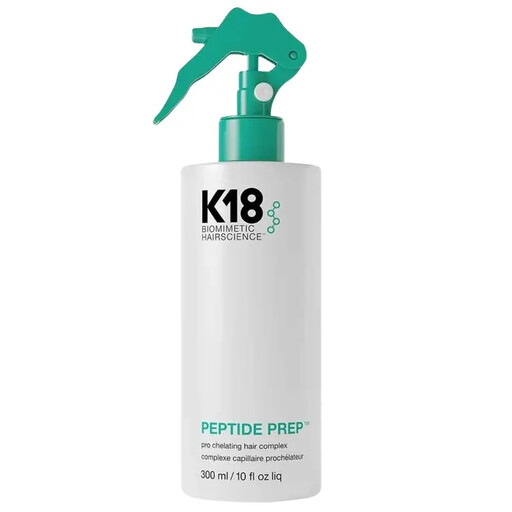
Why this choice suits this profile: A targeted detox solution for those dealing with hard water deposits or who regularly prepare their hair for chemical treatments.
This is a targeted detox treatment, not a nourishing mask to use every wash – its function is clearly different.
A leave-in formula according to the product sheet, with a stated four-minute action time and chelating agents.
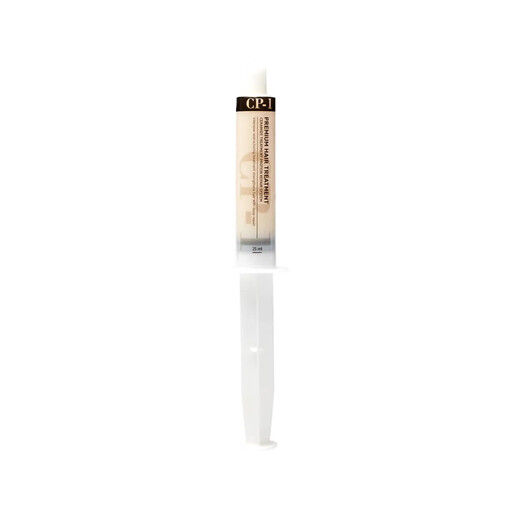
Why this choice suits this profile: Its small size makes it ideal for occasional use or a weekly routine on coloured, relaxed or heat-styled hair.
The instructions recommend a leave-in time of 10 to 20 minutes and weekly use, or as needed. This helps you avoid applying a protein treatment every day.
Hydrolysed keratin, silk and collagen proteins. Formula stated to be free from sulphates and parabens.
We’ve put together a comprehensive, real-time updated list of products that fully meet these strict selection criteria and European safety regulations.
Start with shampoo, then apply conditioner to the lengths. Reserve the protein or nourishing mask for one or two uses a week, depending on how sensitive your hair is. Apply oil in small amounts to dry or damp hair, mainly on the ends.
Detangling and softness can improve from the very first application. Reducing breakage, however, depends on your styling habits, how often you wash and the initial condition of your hair. If your ends are very split, a treatment can improve their appearance, but it will never replace a trim.
Yes, as long as you don’t layer several rich or protein-heavy formulas on the same day. For example, you could use a gentle shampoo, a light conditioner and a targeted mask once a week. Always read the label, follow the instructions and stop using if irritation occurs.