
Livraison le jour même ou le lendemain

Qualité garantie

Débloquez vos offres de bienvenue: Livraison GRATUITE | Jusqu'à -80 % | 30 jours d'essai gratuits à JoyPlus
Téléchargez l'application
By Joybuy, our product expertPublished on: August 26, 2026
Dry, brittle, dull hair? It's a problem far too many of us face. Confronted with shelves overflowing with miracle promises, it's easy to feel overwhelmed and spend a fortune on disappointing products. This guide is here to help you navigate the jungle of damaged hair care, sidestep marketing traps, and focus on what truly matters: getting back to visibly healthy hair.
But before you splurge on a new treatment, let's break down the most common traps:
To make an informed choice, you need to understand the role of the main active ingredients in a good repairing shampoo or a mask for dry, damaged hair.
A well-designed formula typically combines three types of ingredients for comprehensive action:
A good nourishing conditioner must offer a balance between these components to detangle, hydrate, and protect without weighing hair down.
Damaged hair is porous hair because its internal structure is weakened. Ingredients like keratin, silk proteins, or amino acids act like a cement to temporarily fill these gaps. They reinforce the hair's structure, making it less prone to breakage. This is a cornerstone of any good routine for brittle hair.
The pH: the detail that changes everything. A product with a slightly acidic pH (between 4.5 and 5.5) helps to seal the hair's cuticles. The result? Smoother, shinier hair that tangles less easily. This is particularly important for shampoos and rinse-out treatments.
Instead of an endless list, here are products that meet specific needs, selected according to the criteria we've just covered.
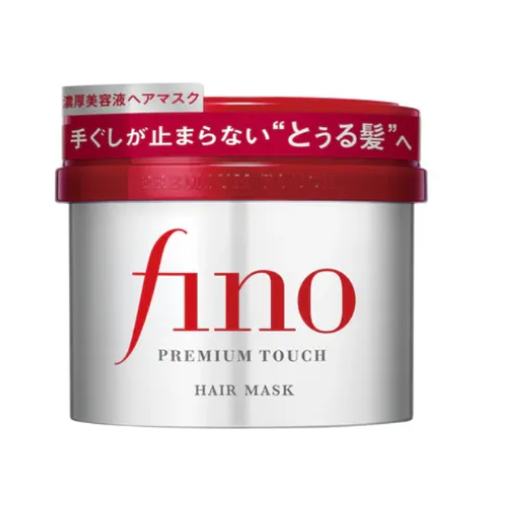
Why we recommend it: For those seeking an intensive treatment for hair that's been dried out or damaged by colouring and heat. This type of treatment, inspired by Asian beauty rituals like the famous Fino mask or the Tsubaki shampoo lines, is renowned for its high concentration of nourishing active ingredients.
It doesn't promise to "heal" the hair, but to visibly improve its texture. Its reputation is built on tangible results: smoother, softer, and brilliantly shiny hair.
Its rich formula coats the hair fibre for a smoothing effect and intense hydration, often visible from the very first use.
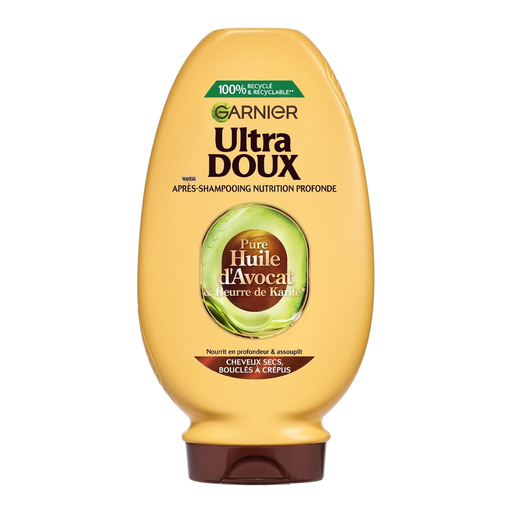
Why we recommend it: Perfect for naturally dry hair types (curly, coily, kinky) that need a serious dose of lipids to maintain softness and definition.
No universal promises here. The product relies on tried-and-true staples (avocado oil, shea butter), whose effectiveness in nourishing dry hair is well-established.
Its formula deeply nourishes and eases detangling without ever weighing down curls, helping them retain all their bounce.
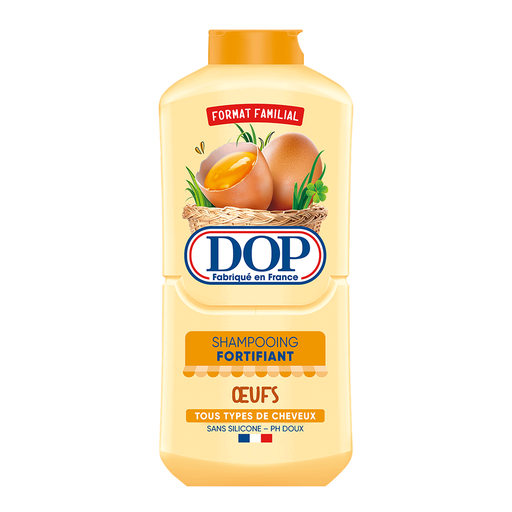
Why we recommend it: For those who want a simple, effective, and affordable shampoo, perfect for frequent use by the whole family. A cult-favourite formula that has stood the test of time for gently cleansing and strengthening normal to slightly weakened hair.
No over-promising. This is a strengthening shampoo that gets straight to the point, without claiming a radical transformation. Its pH-neutral and silicone-free formula respects the scalp's natural balance.
Its excellent value for money and French manufacturing make it a smart and reliable choice for everyday use.
We've put together a complete selection of products that meet our selection criteria and comply with current regulations.
For most hair types, once or twice a week is a good rhythm. Applying a dry hair treatment too often, especially on fine hair, can weigh it down and cause it to lose all volume. The secret? Observe your hair and adjust accordingly. If it's very damaged, you can start with more frequent applications, then reduce the frequency as its condition improves.
No, a split end cannot be "fused" back together. The only permanent solution is a trim. However, a good repairing shampoo and a split end treatment can significantly improve their appearance. Their coating agents smooth the hair fibre, and their polymers can temporarily "glue" the ends together, limiting damage until your next trip to the salon.
There's no one-size-fits-all answer. For very fine hair that gets greasy quickly, a silicone-free formula is often preferable to maintain volume. Conversely, for thick, curly, or very damaged hair, silicones are true allies: they make detangling easier, protect from the heat of styling tools, and provide instant shine and softness. The key is to choose a well-balanced formula that is suited to your hair type and your goals.