Regular buyers
If you use oat drink with cereal or in cooking, check the number of cartons, how quickly you get through them and the storage instructions after opening before choosing a multipack.


For everyday use, start by choosing an oat drink with a recipe and pack size to suit how much you consume. A barista version is better suited to making coffee; either way, check the ingredients and allergens for the exact product you choose, as “dairy-free” does not mean “gluten-free”.
If you use oat drink with cereal or in cooking, check the number of cartons, how quickly you get through them and the storage instructions after opening before choosing a multipack.
For lattes and cappuccinos, a product specifically made for coffee may be a better choice than one selected solely for drinking on its own. Frothing performance and how well it holds up in coffee depend on the specific variant.
If sugar content, fortification or particular ingredients influence your choice, compare products individually. If you need to avoid gluten or other allergens, check the packaging rather than relying on the fact that a product is dairy-free.
Start with the pack size and recipe that suit your usual needs, then check the nutritional information or barista claims if they matter to you.
| What to consider | What to check | Who is it for? |
|---|---|---|
| Pack size and how often you buy | Number of cartons, volume and storage instructions after opening. | If I use it every week, I want a volume I can finish within the time stated on the carton. Around 36% of consumers make this their top priority. |
| Ingredients, organic status and origin | Ingredients list, stated oat content, organic certification and origin details. | For everyday use, I like to have the choice between a short ingredients list and a recipe with additional ingredients. This is the top priority for nearly 29% of consumers. |
| Sugar and fortification | Nutrition information per 100 ml and any calcium or vitamin claims for the exact product. | If sugar content or fortification matters to me, I don’t want to guess based on the brand name alone. Around 21% of consumers prioritise this information. |
| Use in coffee | Whether it is made for barista use and any instructions for preparing hot drinks. | When I mainly make lattes, a recipe designed for that use matters more than its versatility in cooking. Around 14% of consumers prioritise this. |
These claims address different dietary needs. France’s Directorate General for Competition Policy, Consumer Affairs and Fraud Control (DGCCRF) lists oats among the cereals to consider when avoiding gluten.
If you need a gluten-free product, look for the relevant claim on the specific product and read its label.
Oatly and Auchan market their barista products for coffee-based drinks. This specialisation may not be useful if you mainly have oat drink with cereal or use it in cooking.
Choose a variant to suit the drinks you actually make, and compare its ingredients list with that of a standard product.
A short ingredients list, a fortified recipe and a barista version may all be part of different ranges, even within the same brand.
Check the ingredients and nutritional information for the exact variant, particularly for sugar, calcium and vitamins.
Auchan lists a 1 L oat drink with added calcium and vitamins.
Oatly’s range includes a standard oat drink, a No Sugars version and a Barista Edition.
An organic oat drink whose Carrefour product listing names four ingredients.
An organic oat drink whose product listing lets you check the recipe, production and origin of the main ingredient separately.
The retailer offers a standard oat drink as well as a barista version designed for drinks such as lattes.
Lidl has offered Vemondo organic oat drink in an 8 × 1 L multipack.
These products include options for everyday use and barista versions made for coffee. When choosing, the multipack size and the instructions on each carton matter just as much as the range name.
 Image unavailable
For regular use with cereal or in cooking, choose this multipack if three cartons suit how quickly you get through them.
Check the ingredients and storage instructions on each carton.
 Image unavailable
The 1-litre size may suit you if you prefer to buy one carton at a time for everyday use.
Don’t assume what “0%” means for sugar content: check the nutritional information and allergens on the packaging.
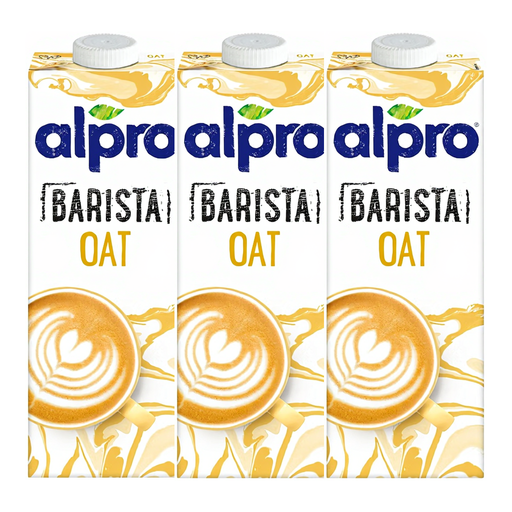 Image unavailable
This multipack is for people who regularly make coffee drinks with a barista version.
Make sure three cartons suit how much you use, and follow the product’s storage and preparation instructions.
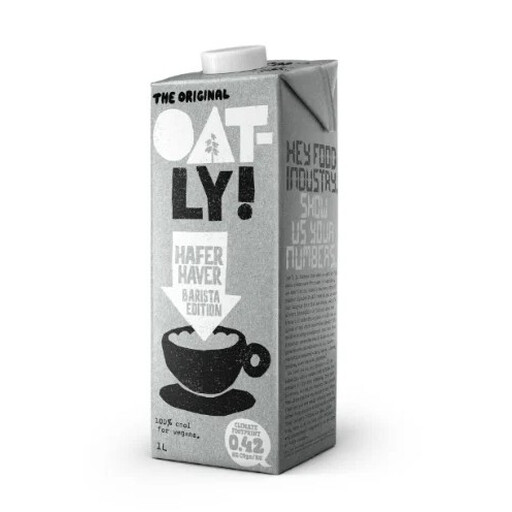 Image unavailable
Consider this barista version if you make plant-based milky coffees and prefer to buy just one carton.
For other uses, compare its ingredients with those of a standard oat drink and check the storage instructions for after opening.
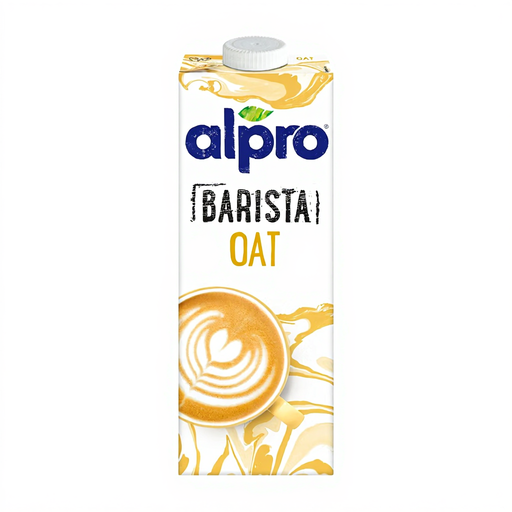 Image unavailable
This size lets you choose a barista carton for coffee drinks without buying a pack of three.
Check the label for allergens and follow the preparation and storage instructions for this variant.
No. Being dairy-free tells you nothing about gluten. France’s Directorate General for Competition Policy, Consumer Affairs and Fraud Control (DGCCRF) lists oats among the cereals to check. If you need a gluten-free product, check the relevant claim and allergen information on the product you choose.
Start with the product name, ingredients, allergens and nutritional information, then check the storage instructions. The DGCCRF reminds consumers that allergens must be highlighted on the labels of prepacked foods.
Before opening, it depends on the packaging: Oatly says its No Sugars carton can be stored at room temperature. After opening, follow the instructions for the exact product. For its standard oat drink, Auchan says to keep it between 0 °C and +6 °C and consume it within five days.