For a drinkable snack, choose a coconut plant-based drink; for a homemade recipe, look instead at culinary coconut milk, while a plant-based dessert is a good option for a spoonable snack. These products have different ingredients and uses. If your child needs to avoid milk for medical reasons, the product name or a ‘lactose-free’ claim isn’t enough: check the packaging of the product you buy and follow your child’s medical advice, as well as their individual care plan (PAI), if they have one.
Who is this guide for?
Parents managing a dairy-free diet
If your child needs to avoid milk, choose products in line with their individual advice and check the label on the product you buy. At school, an individual care plan (PAI) can set out dietary requirements and any necessary adjustments, as explained by the French Ministry of National Education.
Parents comparing coconut drinks
For a drinkable snack, the word ‘coconut’ alone doesn’t tell you what’s in the recipe. Product information published by Carrefour France includes, for example, one drink with rice syrup and another that lists calcium and vitamins.
Parents preparing a homemade snack
For a cream or another recipe, distinguish culinary coconut milk from a ready-to-drink beverage. Carrefour France’s product information for Carrefour Sensation culinary coconut milk states that it contains 85% coconut extract.
What should you check?
Coconut plant-based drink
Best for: a drinkable snack or pouring over cereal.
Bear in mind: recipes vary, particularly in their sugars and declared nutrients.
Culinary coconut milk
Best for: making a cream or another snack recipe.
Bear in mind: a cooking ingredient doesn’t serve the same purpose as a ready-to-drink beverage.
Coconut plant-based dessert
Best for: a spoonable snack.
Bear in mind: the recipe and manufacturing statements may flag other allergens to consider.
| Criteria |
What to check |
Who is it for? |
| Dairy-free requirements and school |
Ingredients, highlighted allergens and precautionary statements; your child’s PAI instructions, if applicable. |
When my child needs to avoid milk, I need to be able to choose their snack in line with their instructions, including at school. Around 42% of consumers would put this check first. |
| Sugars and nutritional information |
Declared sugars, ingredients such as rice syrup, and then calcium and vitamins if these details matter to your comparison. |
For a coconut drink as a snack, I want to know what’s in it rather than rely on the product name alone. This would be the top priority for around 33% of consumers. |
| Use and format |
Product description, whether it’s for cooking or ready to eat, pack size and storage instructions. |
If I’m making a snack or looking for a spoonable dessert, I need a product that suits that purpose rather than choosing a drink by default. Around 25% of consumers would prioritise this use. |
Mistakes to avoid
-
Assuming ‘plant-based’ or ‘lactose-free’ means it’s safe for a milk allergy
France’s national health insurance service describes lactose intolerance as difficulty digesting the sugar in milk. On its own, this doesn’t address the avoidance instructions for a child with a food allergy.
Check the label on every product you buy, any relevant precautionary statements and your child’s medical advice or PAI instructions.
-
Serving culinary coconut milk as a drink
The Carrefour Sensation culinary coconut milk described by Carrefour France contains 85% coconut extract. It serves a different purpose in a recipe from a ready-to-drink plant-based beverage.
First decide whether the snack calls for a drink, a cooking ingredient or a dessert. Then compare the nutritional information of products intended for the same use.
-
Assuming all coconut drinks have the same recipe
Among the products described by Carrefour France, Carrefour Sensation’s drink contains rice syrup, while the Alpro drink reviewed lists calcium and vitamins B12 and D2.
Read the ingredients list and nutritional information for the specific product you’re considering buying.
-
Replacing infant formula with an everyday coconut drink
Anses states that everyday plant-based or animal-based drinks aren’t suitable as a substitute for breast milk or infant formula for babies.
For a child under one, ask a healthcare professional for advice about their diet, particularly if they need to avoid certain foods.
Brands to consider, depending on the product
Alpro
Carrefour France features Alpro coconut plant-based drink in a 1 L carton. The recipe reviewed lists calcium and vitamins B12 and D2.
- This product gives you details to compare when choosing a drinkable snack.
- Its ingredients don’t represent every Alpro product; if your child needs to avoid milk, check the packaging of the product you buy.
Carrefour Sensation
Carrefour France lists a coconut drink, culinary coconut milk and a coconut plant-based dessert in this range.
- These formats suit different uses: drinking, cooking or eating with a spoon.
- The drink reviewed contains rice syrup; the dessert reviewed states that it’s made in a facility that handles soya and nuts. Choose based on the specific product and your child’s instructions.
Bjorg
A product listing published by Carrefour France features Bjorg organic coconut plant-based drink in a 1 L carton. The listed ingredients include coconut, coconut water and rice starch.
- The ingredients list lets you compare it with other coconut drinks.
- If calcium or vitamins matter to you, check whether they’re listed for this product rather than assuming the same information applies to another drink.
Joybuy products for drinking or cooking
This selection includes coconut drinks for a drinkable snack and coconut milks for homemade recipes. First choose according to how you plan to use the product; if your child needs to avoid milk, check the packaging of the product you buy against their instructions.
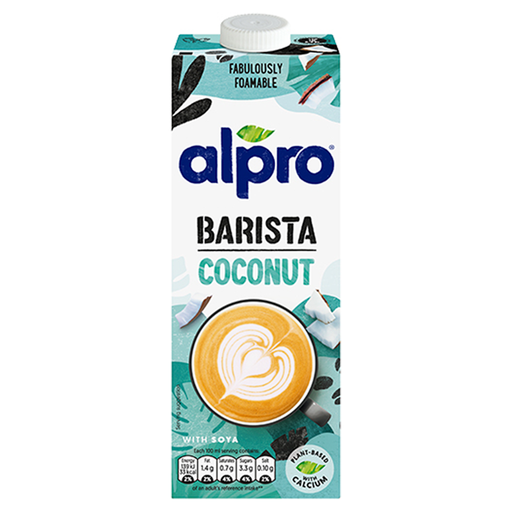 Image unavailable
Alpro Coconut Barista, 1 L
A coconut drink to consider if you’re looking for a drinkable snack. The carton contains 1 L; if your child’s dietary instructions include soya, check the label carefully before choosing.
View on Joybuy
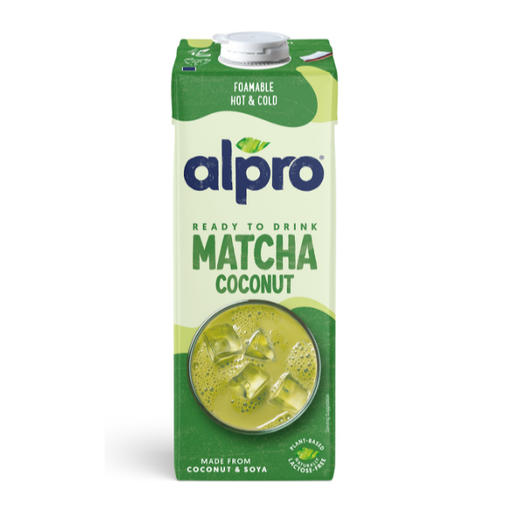 Image unavailable
ALPRO Matcha coconut, 1 L
A coconut and matcha drink to consider if it suits the snack you have in mind. It comes in a 1 L carton; check the ingredients, including any listed soya, against your child’s dietary instructions.
View on Joybuy
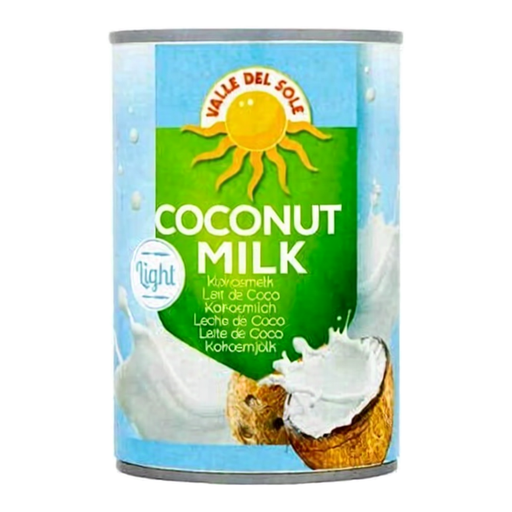 Image unavailable
Valle Del Sole Coconut Milk 6 %, 400 ml
A coconut milk to consider as an ingredient in a homemade snack, rather than as a ready-to-drink beverage. The product name states 6% and the pack size is 400 ml; check the label if your child needs to avoid certain foods.
View on Joybuy
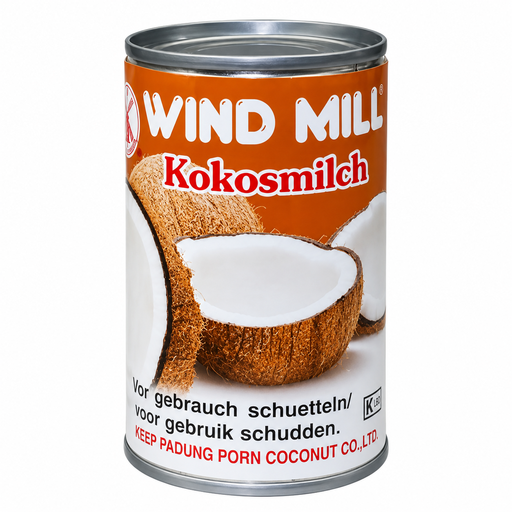 Image unavailable
Wind Mill Coconut Milk, 165 ml tin
A size to consider if you want to add a small amount of coconut milk to a snack recipe. This tin contains 165 ml and is intended for cooking, not as a ready-to-drink beverage; check the label against your child’s instructions.
View on Joybuy
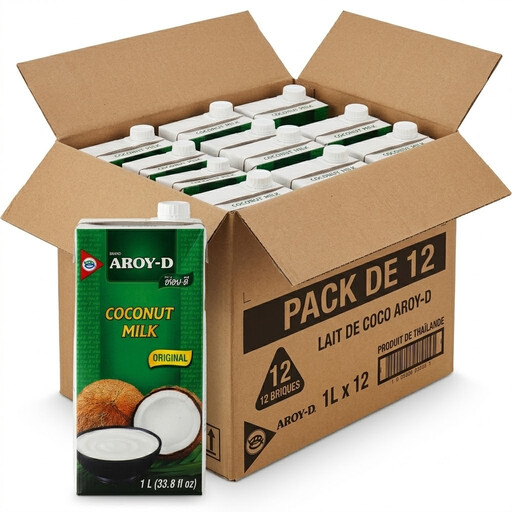 Image unavailable
AROY-D Coconut Milk Tetra, 12 × 1 L
A coconut milk for cooking if you regularly make recipes that use it. The listed pack contains 12 cartons of 1 L, so consider the quantity before choosing this format; check the label if your child needs to avoid certain foods.
View on Joybuy
Frequently asked questions
Is a ‘lactose-free’ claim enough if your child has a milk allergy?
No: ‘lactose-free’ doesn’t, on its own, mean a product is suitable for someone with a milk allergy. France’s national health insurance service distinguishes lactose intolerance, which affects how the sugar in milk is digested. If your child has been told to avoid milk, follow their instructions and check the ingredients and relevant statements on the packaging of the product you buy.
Can a coconut drink replace infant formula?
No, an everyday coconut drink can’t replace breast milk or infant formula for a child under one. Anses states that everyday drinks, whether plant-based or animal-based, aren’t suitable for babies for this purpose. Ask a healthcare professional for advice if your child needs a specific diet.
Where can you find allergens on prepacked food?
Check the ingredients list on the packaging of the product you actually buy: France’s Directorate-General for Competition Policy, Consumer Affairs and Fraud Control states that allergenic ingredients must be highlighted there. Also read any precautionary statements in light of your child’s specific instructions.
Does a dairy-free snack at school always require a PAI?
Each child’s situation should be considered individually, rather than inferred just from the choice of a dairy-free snack. The French Ministry of National Education says a PAI can set out a specific diet and related adjustments at school when one is put in place. Talk to the school about the instructions that apply to your child.


