Runners replacing milk in their meals
An almond drink can be used as a base for breakfast or in a recipe when you’re not exercising. If you choose an unsweetened version, get your running carbohydrates from other foods or drinks.


A dairy-free almond drink can replace milk at breakfast or in a recipe while you’re preparing for a marathon, but it isn’t enough to fuel a marathon on its own. Check the ingredients of the specific product you choose, then plan separately for the carbohydrates you’ll consume during exercise. Protein and calcium are other factors to consider, depending on how you intend to use it.
An almond drink can be used as a base for breakfast or in a recipe when you’re not exercising. If you choose an unsweetened version, get your running carbohydrates from other foods or drinks.
Choosing an almond drink doesn’t replace planning the carbohydrates you’ll consume during long runs and the race itself. Your fuelling plan should also take into account what you can tolerate in training.
If you avoid dairy, check the exact recipe rather than relying on the words ‘plant-based’ or ‘lactose-free’. Almond drinks contain almonds, which are an allergen to bear in mind.
If avoiding dairy is essential, start by checking the ingredients and allergens. Then compare the nutritional values per 100 ml according to how you plan to use the drink: with a meal when you’re not exercising, for fuelling or as a snack.
| Factor | What to check | Who it matters to |
|---|---|---|
| Carbohydrates during exercise | Compare the carbohydrates and sugars per 100 ml, then plan separately for fuelling on your long runs. | For a long run, I want to know where my carbohydrates will come from rather than relying on an almond drink. Around 42% of consumers would put this need first. |
| Ingredients and allergens | Read the ingredients and allergen information for the product you’re buying, especially if you need to avoid dairy or almonds. | If I avoid dairy, the exact ingredients matter more to me than the words ‘plant-based’. This would be a priority for around 25% of consumers. |
| Protein and calcium | Check the protein per 100 ml and the calcium content of the recipe, if stated; don’t confuse these two nutrients. | After training, I want to put together a snack without assuming that a fortified drink also provides the protein I’m looking for. Around 25% of consumers would prioritise this nutritional balance. |
| Buying and storage | Check which product is available from your retailer and the storage instructions for after opening. | When I prepare meals in advance, I look for a drink that’s easy to find and store according to its packaging. This would be the first consideration for around 8% of consumers. |
The unsweetened Alpro and Auchan products described here contain 0 g and less than 0.5 g of carbohydrates per 100 ml respectively. Choosing one as an ingredient when you’re not exercising therefore doesn’t address the carbohydrates you’ll need during a marathon.
Plan separate fuelling and try it out on your long runs rather than leaving it until race day.
These labels answer different questions. The ingredients can also vary between products, even within the same brand.
If you need to avoid dairy ingredients, check the ingredients and allergen information on the carton you’re buying.
A drink being dairy-free doesn’t make it suitable for someone with an almond allergy.
If you have an almond allergy, avoid recipes containing almonds and check the label of any other drink you’re considering.
Added calcium and protein are two separate nutritional details. The almond drinks included in the research contain low amounts of protein per 100 ml.
If you’re putting together a post-exercise snack, check the protein in the whole meal rather than relying on a calcium claim alone.
These examples show how recipes and labelling information can vary. A brand or retailer name alone doesn’t tell you what all its almond drinks contain.
The range includes unsweetened almond drinks and other recipes with different nutritional values.
The retailer offers almond drinks under its own brands and third-party brands.
The retailer offers an unsweetened almond drink, which should be distinguished from its other recipes.
E.Leclerc offers an unsweetened organic almond drink under the Bio Village brand.
Lidl offers an organic, unsweetened almond drink under the Vemondo brand.
Aldi offers a 1 L MY VAY organic plant-based almond drink.
These almond drinks are suited to use in food and drink when you’re not exercising, for example in a drink or recipe. Differences between products don’t replace the need to choose your marathon fuelling separately. Compare the ingredients of each carton according to your needs.
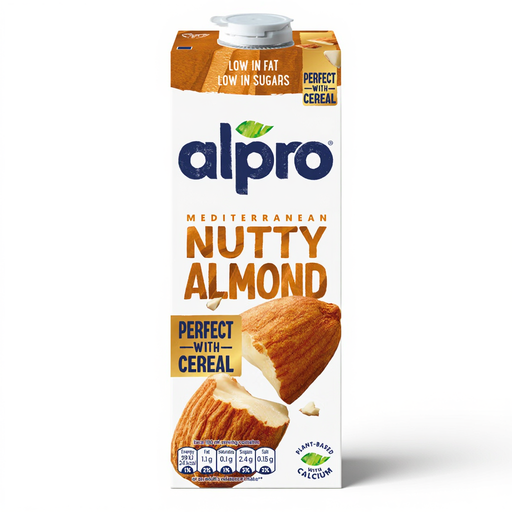 Image unavailable
For cereal or a recipe when you’re not exercising, compare this product with an unsweetened version. Joybuy lists 3 g of carbohydrates, including 3 g of sugars, per 100 ml.
If avoiding dairy is essential, check the ingredients and allergen information on the carton you buy. The presence of almonds also matters if you have an allergy.
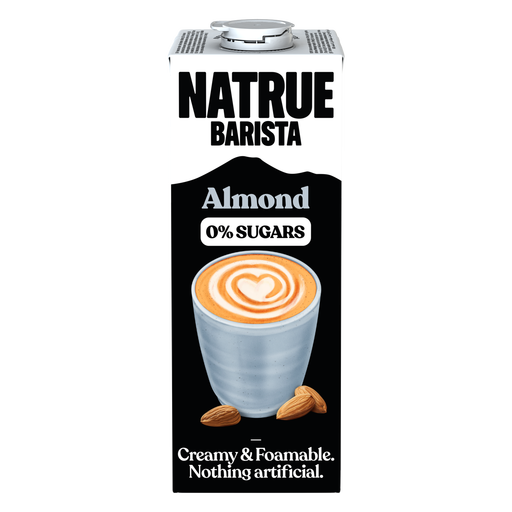 Image unavailable
This Barista version may be suitable for a drink when you’re not exercising. Check the ingredients, allergens and carbohydrates on the carton before including it in your meals.
If calcium is one of your considerations, compare the value stated on the packaging rather than assuming it from the product name.
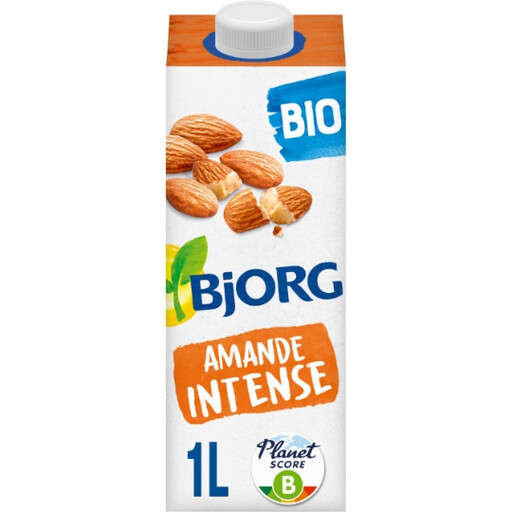 Image unavailable
For cereal or a recipe when you’re not exercising, compare the carbohydrates and sugars in this version with those in unsweetened drinks.
Read the ingredients and allergen information on the carton if you avoid dairy. Also check the sugar labelling before choosing this recipe.
No, not on its own: the unsweetened Alpro and Auchan products featured here contain 0 g and less than 0.5 g of carbohydrates per 100 ml respectively. For exercise lasting 1 to 2.5 hours, a publication referenced by the National Library of Medicine suggests 30 to 60 g of carbohydrates per hour. Plan separate fuelling that suits your effort, and try it in training.
No: the words ‘lactose-free’ don’t confirm that a product contains no dairy ingredients. Check the ingredients and allergen information for the exact product. The DGCCRF notes that allergenic ingredients in prepacked foods must be highlighted on French labels.
No. A drink containing almonds isn’t suitable for someone with an allergy to this ingredient, even if it contains no dairy. Also check the other allergens listed for each recipe you’re considering.
Follow the instructions on the carton you buy, as they vary by product. The listing for Auchan’s unsweetened almond drink says to refrigerate it and consume it within five days of opening.
No: calcium content and protein quantity are two separate values. If you’re putting together a post-exercise snack, read the nutritional information per 100 ml and consider the nutrients in the meal as a whole.