Households making several coffees a day
The cost of consumables, reservoir capacity and how often you need to empty the machine all matter just as much as how easy it is to make a cup.


If you make several coffees a day, start by comparing the cost of consumables and how much effort your household is happy to put in. Capsules and pods make preparation simpler, while a portafilter machine involves more hands-on steps. A bean-to-cup machine lets you use whole coffee beans; Que Choisir estimates that its cost per cup is two to three times lower than that of pod espresso, but also notes that these machines are bulkier and noisier than capsule systems.
The cost of consumables, reservoir capacity and how often you need to empty the machine all matter just as much as how easy it is to make a cup.
Capsules and pods give you pre-measured coffee. Before choosing this type of machine, check which format it takes and how easy it is to find supplies.
A bean-to-cup machine means you’re not reliant on capsules or pods, but you’ll need to make room for it and set aside time to clean and descale it.
If your household makes several coffees a day, start with the type of coffee you use, then consider the maintenance involved and how much space you have for each type of machine.
| Factor | What to check | What I need |
|---|---|---|
| Coffee and running costs | Compare the cost per cup of the capsules, pods, beans or ground coffee you plan to buy. Check which formats are compatible, as this affects how you can restock. | If I make several coffees a day, ongoing costs matter. Que Choisir estimates that the cost per cup from a bean-to-cup machine is two to three times lower than for pod espresso; the actual cost for my household depends on the coffee I choose. |
| Preparation | Capsules and pods are pre-measured. With a portafilter machine, consider the preparation and cleaning steps; with a bean-to-cup machine, check the controls and containers on the model. | I might prefer to insert a capsule or pod, even if that means sticking to a compatible format. If I’m happy to handle the coffee and filter, a portafilter machine is another option. |
| Maintenance | Check the manual for descaling and cleaning instructions for the reservoir, containers, portafilter or brewing unit, depending on the machine. Also look into how to maintain the milk system, if there is one. | I want a cleaning routine that my household can keep up with, even when we make several cups a day. |
| Space and noise | Measure the space available, allowing room to access the reservoirs and containers. For a bean-to-cup machine, look for noise measurements for the specific model: Que Choisir says these machines are bulkier and noisier than capsule systems. | In a small kitchen or early in the morning, the size of the machine and the noise of the grinder could affect my choice. |
| Used capsules | Find out what material the compatible capsules are made from and what recycling options are available near you. ADEME says aluminium or plastic capsules can go in the recycling for paper and packaging. | If I use capsules every day, I want to be able to sort them by material and follow the local recycling guidance. |
If you make several coffees a day, the coffee you buy regularly can make a difference to your decision. Que Choisir highlights, in particular, the difference between the cost per cup of pods and coffee made with a bean-to-cup machine.
Compare the consumables that are actually compatible with each machine, taking into account how many cups you usually make.
According to Que Choisir, bean-to-cup machines take up more space and make more noise than capsule systems. This can matter in a small kitchen or early in the morning.
Measure the space available, including room to access the containers and reservoirs, then look for comparable noise data for the models you’re considering.
Capsule and pod machines, portafilter machines and bean-to-cup machines all need maintenance. How often depends, among other things, on the model and the water you use.
Check the manual for your chosen model and follow its alerts or descaling programme. For example, Philips recommends descaling Senseo machines about every three months, or more often if your water is very hard or the indicator lights up.
What you need to do depends on the capsule material and the collection scheme available.
Check which format your machine takes and follow local guidance. In France, ADEME says aluminium or plastic capsules should go in the recycling for paper and packaging.
An example of a capsule system, where it’s worth checking consumable compatibility and recycling options.
Senseo is an example of a machine that uses soft coffee pods, where some maintenance is still needed even though the coffee is pre-measured.
The brand offers portafilter machines and bean-to-cup machines: two ways of making coffee with different maintenance routines.
Melitta is a useful reference when looking into maintenance for a bean-to-cup machine.
These Joybuy options cover the four brewing methods compared here: soft pods, whole beans, capsules and a portafilter. First choose the type of machine that suits your household, then check the details of each model.
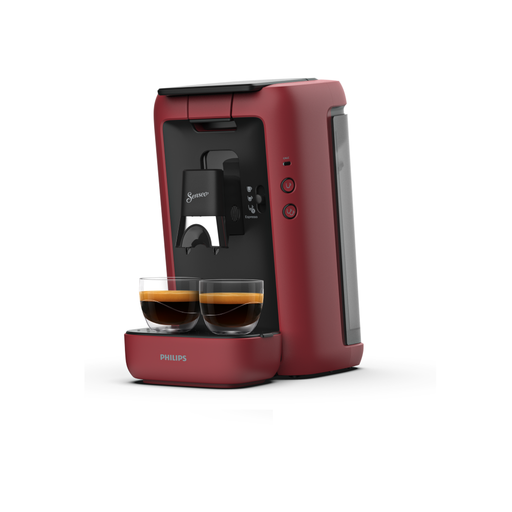 Image unavailable
This soft-pod machine is suited to households that prefer pre-measured coffee and a simple preparation process.
Check which compatible pods you’d like to use and follow the descaling instructions for this model.
 Image unavailable
This bean-to-cup machine suits households that want to make coffee regularly from whole beans rather than use pods.
Allow time to clean the parts you use, and check the manual for maintenance cycles, particularly those for the LatteGo system.
 Image unavailable
This whole-bean coffee machine is another option for households that make several cups a day without using a capsule system.
Before setting aside space for it, check its dimensions, grinder noise and the cleaning steps in the manual.
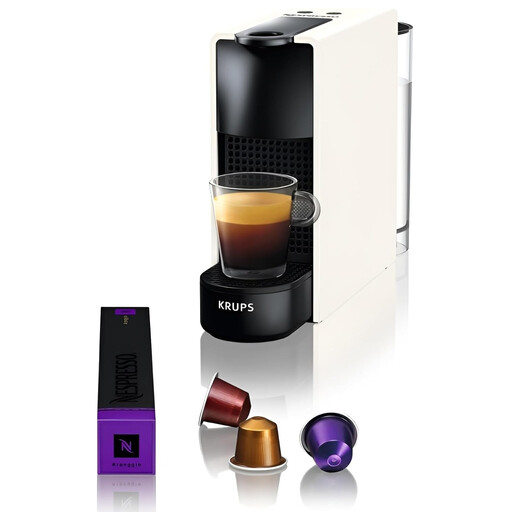 Image unavailable
This capsule machine is for anyone who prefers pre-measured coffee. If several people will use it every day, bear in mind that its reservoir holds 0.6 L.
Check the exact format of compatible capsules, as well as how often you’ll need to refill the reservoir and empty the machine.
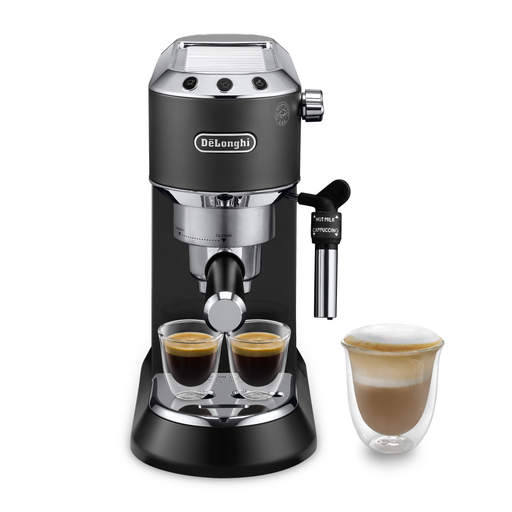 Image unavailable
This portafilter model is a good fit if you’re happy to prepare and remove the coffee each time rather than use capsules.
Allow time to clean the filter and portafilter. If you plan to use ESE pods, check that they’re compatible with the configuration you choose.
Consider a bean-to-cup machine if the ongoing cost of pods matters to you and your household is happy to handle the maintenance and find space for it. Que Choisir estimates that its cost per cup is two to three times lower than that of pod espresso; capsules and pods, on the other hand, involve fewer steps when making coffee.
No. Pre-measured coffee cuts down on some of the preparation, but you’ll still need to clean the containers and descale the machine according to its manual. Check the instructions for the specific model before buying.
Philips recommends descaling Senseo machines about every three months, or more often if your water is very hard or the indicator lights up. Follow your model’s manual: this schedule doesn’t apply to all pod machines.
According to ADEME, aluminium or plastic capsules can go in the recycling bin, bag or container for paper and packaging. Check what your capsules are made from and follow local guidance for other formats.
It depends on how much space you have and how much noise your household can put up with. Que Choisir says bean-to-cup machines are bulkier and noisier than capsule systems. Measure the space you’ll need, including room to access the containers, and look for noise measurements for the model you’re considering.