
Livraison le jour même ou le lendemain

Qualité garantie

Débloquez vos offres de bienvenue: Livraison GRATUITE | Jusqu'à -80 % | 30 jours d'essai gratuits à JoyPlus
Téléchargez l'application
Daifuku mochi has captured the hearts (and taste buds) of food lovers around the world. This small glutinous rice ball, with its unique texture and generous filling, is undeniably delightful. But with a booming online market, how do you find the best ones?? As Japanese product experts at Joybuy, we've decoded the secrets to a perfect daifuku for you. This guide is designed to help you buy daifuku online with confidence, whether you're a seasoned connoisseur or a curious newcomer.
To make the right choice, you only need a few criteria to assess the quality and character of a daifuku mochi.
The filling is what gives daifuku its soul. The traditional version contains anko, a sweet red bean paste. But today, it's the fruit mochi variations that are winning everyone over.
The glutinous rice dough (the mochi itself) should be soft and elastic, but never sticky. It all comes down to the quality of the rice flour used. A perfect texture doesn't collapse?; it offers a slight resistance to the bite before melting in your mouth. The fine dusting of starch that coats it is also a sign of quality?: it allows you to handle it without getting your fingers sticky.
Glancing at the ingredient list and nutritional information is always a good practice. This allows you to check the composition (especially the sugar content) and the absence of potential allergens. A reputable online Japanese grocery will always display these details transparently on its product pages.
To get your mouth watering, here are three daifuku with distinct personalities, all available in our online grocery.
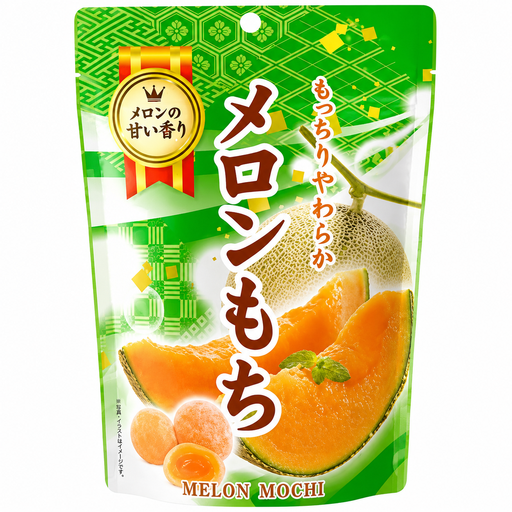
Why it stands out This daifuku perfectly captures the sweet and fragrant flavour of Japanese melon. Its fruit purée-based filling offers a very natural and refreshing taste, ideal for a light Japanese dessert.
Key features
Who is it for? Perfect for a gentle introduction to the world of wagashi or for those who appreciate subtle, fruity flavours. A reliable choice that's a hit with both kids and adults.
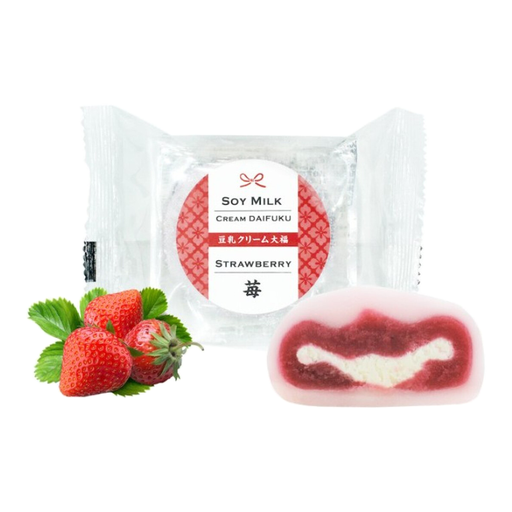
Why it stands out A frozen version that combines the tartness of strawberry with the creaminess of a soy milk centre. The combination of jam and cream creates a particularly indulgent play on textures and flavours.
Key features
Who is it for? For foodies looking for a more sophisticated fruit daifuku. The strawberry-soy pairing will appeal to anyone who loves desserts that are both fruity and creamy.
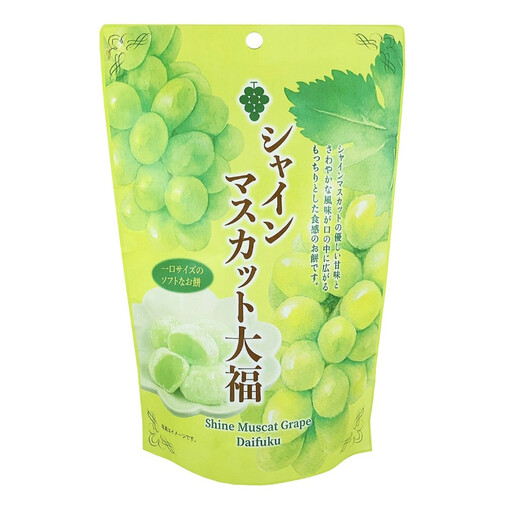
Why it stands out This daifuku showcases the "Shine Muscat," a star grape in Japan, prized for its floral aroma and incredibly juicy flavour. Each bite is an explosion of elegant and refined aromas.
Key features
Who is it for? For refined palates and lovers of delicate flavours. An excellent choice if you're already familiar with classic mochi and want to level up to more sophisticated tastes.
Our selection is just a taste of the treasures the world of daifuku holds. To discover a wider variety of sweets, savoury snacks, and refreshing drinks from Japan, explore our full department?!
? Explore our range of desserts and beverages
Daifuku mochi (literally "great luck") is a Japanese confectionery from the wagashi family. It consists of a mochi shell (a dough made from steamed and pounded glutinous rice) that envelops a sweet filling?: traditionally red bean paste (anko), but also fruit, cream, or jam in its more modern versions.
It all depends on the type of product. Shelf-stable daifuku, like the melon or grape ones in our selection, should be kept in a cool, dry place away from direct sunlight. Frozen versions, like our strawberry daifuku, should be placed in the freezer and enjoyed after a few minutes of thawing. In any case, it's best to follow the instructions on the packaging.
The term "mochi" refers to the glutinous rice dough itself. It can be eaten on its own, grilled, or in soups. "Daifuku," on the other hand, is a specific pastry where this mochi dough is used as a shell for a filling. To put it simply?: all daifuku is made from mochi, but not all mochi is daifuku.