
Livraison le jour même ou le lendemain

Qualité garantie

Débloquez vos offres de bienvenue: Livraison GRATUITE | Jusqu'à -80 % | 30 jours d'essai gratuits à JoyPlus
Téléchargez l'application
Whether you're a weekend warrior or a seasoned alpine climber, choosing the right cycling sunglasses is crucial. This piece of gear is as essential for your safety as it is for your performance. Yet, in a market saturated with technical jargon and marketing promises, it's easy to make the wrong choice. Some models that look great on paper turn out to be a disappointment in the field: uncomfortable, impractical, or worse, broken after just a few rides.
Before you decide, let's take a moment to review the most common pitfalls that could lead to buyer's remorse:
Understanding these points is the first step to avoiding a bad purchase. Now, let's move on to the technical criteria that will make all the difference on the road.
To make the right choice, you need to closely inspect three elements: lens technology, frame material, and protection certifications.
This is arguably the most decisive factor for your visual comfort.
A great pair of sports sunglasses is one you forget you're wearing. Comfort and stability depend heavily on the frame.
The TR90 material has become the industry standard. It's a thermoplastic with several key advantages: it's extremely lightweight, flexible (it can bend without breaking), and highly durable. A TR90 frame adapts more easily to the shape of your face and stays perfectly in place, even with sweat or vibrations, thanks to rubber inserts on the nose pad and temple tips.
Design is just as important: a wraparound, streamlined shape offers better protection from wind, dust, and insects, while ensuring a panoramic field of view.
The safety of your eyes is non-negotiable.
To illustrate how these criteria apply in the real world, here is a selection of models suited for different types of cyclists.
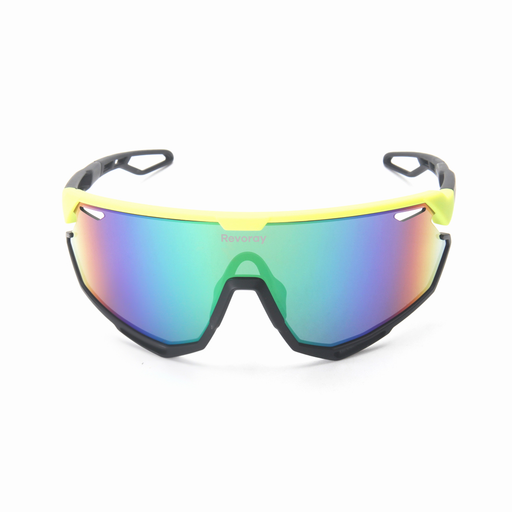
Why this model? It checks all the essential boxes (UV400 protection, impact resistance) and ensures excellent comfort (lightweight TR90 frame) without the frills that drive up the price. Perfect for regular road or MTB rides where reliability is key.
Unlike entry-level models that break on the first impact, its TR90 frame and single-piece polycarbonate lens offer real-world durability and impact resistance. A true guarantee of safety.
Complete protection in a feather-light package (around 30g), ensuring long-lasting comfort, all wrapped in an aerodynamic design that cuts through the air.
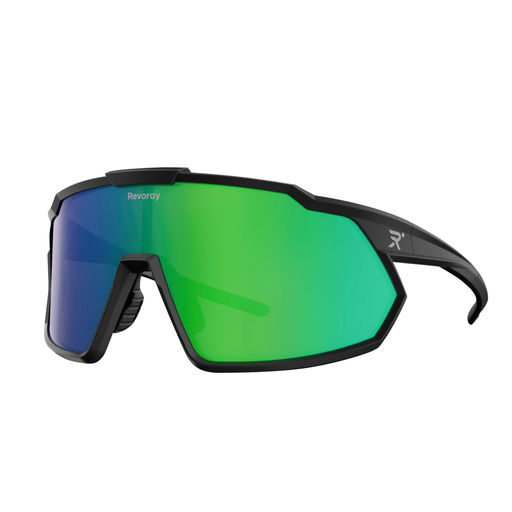
Why this model? Its HD TAC polarized lenses are specifically designed to eliminate glare from the asphalt, radically improving visual clarity and reducing eye strain on long rides under the blazing sun.
This isn't just a tinted lens. It features true polarization technology that actively filters out stray light. This is a tangible advantage for both safety and performance.
HD polarized lenses for flawless, glare-free vision. The bonus? ANSI Z87.1 certification for impact resistance, plus hydrophobic and oleophobic coatings.
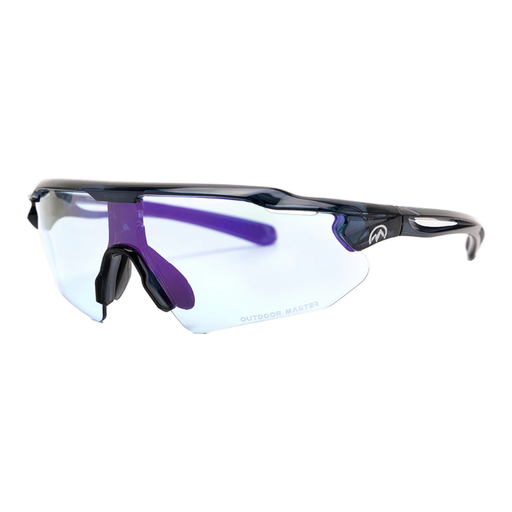
Why this model? It's the perfect ally for those who switch between shaded MTB trails and sunny roads, or who ride at dawn and dusk. The lenses adapt to the light in real-time for consistently optimal vision.
It solves the single-lens dilemma. Photochromic technology meets a real need for versatility. No more investing in multiple pairs or getting caught with lenses that are too dark in the forest.
The magic of photochromic technology combined with an ultra-light design (around 29g). The result: maximum long-term comfort, whether you're cycling or running.
We have curated a complete range of products that meet our demanding selection criteria and current safety standards.
To put it simply: polarized lenses fight glare by filtering reflections (perfect for the road in bright sun). Photochromic lenses, on the other hand, adapt to ambient light by changing their tint (ideal for variable conditions, like mountain biking). The choice ultimately depends on your primary terrain.
Simple but regular maintenance is the secret. After each ride, rinse them with clean water to remove sweat and dust. Then, gently dry them with the provided microfiber cloth. Above all, avoid harsh cleaning products or alcohol, which can damage the lens coatings. And when you're not wearing them, the golden rule is to store them in their hard case to protect against scratches and impacts.
Yes, and for sports, the difference is striking. Compared to standard plastic, a TR90 frame is much more lightweight, which reduces pressure points on your nose and ears during long rides. Its flexibility allows it to absorb impacts and twists without breaking, making it a far more durable investment.