
Livraison le jour même ou le lendemain

Qualité garantie

Débloquez vos offres de bienvenue: Livraison GRATUITE | Jusqu'à -80 % | 30 jours d'essai gratuits à JoyPlus
Téléchargez l'application
Whether you're pedalling on country roads, mountain trails, or through the urban jungle, a good pair of cycling sunglasses is much more than an accessory: it's an essential piece of safety gear. They protect your eyes from the sun, wind, debris, and insects. Yet, faced with a saturated market and sometimes misleading marketing claims, it's easy to get lost. As a Product Recommendation Manager at Joybuy, my mission is to help you see things more clearly.
In this guide, we'll break down the objective criteria to help you make an informed choice and avoid the common pitfalls that could make you bitterly regret your purchase.
Before diving into the spec sheets, it's crucial to know the most common mistakes. Because no, a high price isn't always a guarantee of quality, and a tempting feature list can hide serious flaws.
To avoid falling into these traps, focus on these three pillars that define an excellent pair of sports sunglasses.
The lens is the central element of your sunglasses. Its material and treatments determine your visual comfort and safety.
The frame ensures both the fit on your face and the longevity of your sunglasses.
A good design isn't just about aesthetics; it's also functional.
To put theory into practice, we've selected a few standout models for different profiles, based on the objective criteria we've just covered.
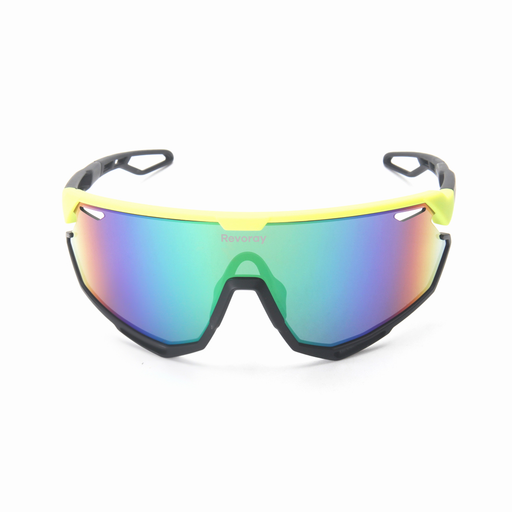
Why it's a match: This is the perfect compromise for those who switch between road and trail. Its single-piece polycarbonate (PC) lens offers high impact resistance—a major safety factor in MTB—while its aerodynamic design and light weight (around 30g) are especially appreciated on the tarmac.
This model sidesteps the "false lightness" trap by combining a feather-light weight with a TR90 frame, known for its flexibility and durability. The large PC lens provides an extra-wide, distortion-free field of view, preventing visual fatigue.
The combination of an ultra-resistant PC lens and an aerodynamic design makes it as versatile as it is safe.
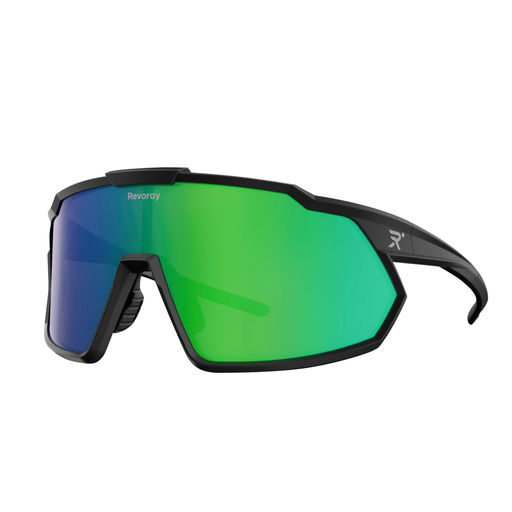
Why it's a match: Perfect for long road rides, this model features HD TAC polarised lenses that mercilessly filter out glare from the asphalt. The ANSI Z87.1 impact resistance certification is a significant safety guarantee.
It directly tackles the problem of poor fit with its adjustable silicone nose pads, which ensure a stable, custom fit. The high-quality polarised lenses save you from the trap of low-end optics that distort vision.
The HD TAC polarised lenses provide stunning visual clarity and glare reduction for enhanced comfort and safety on the road.
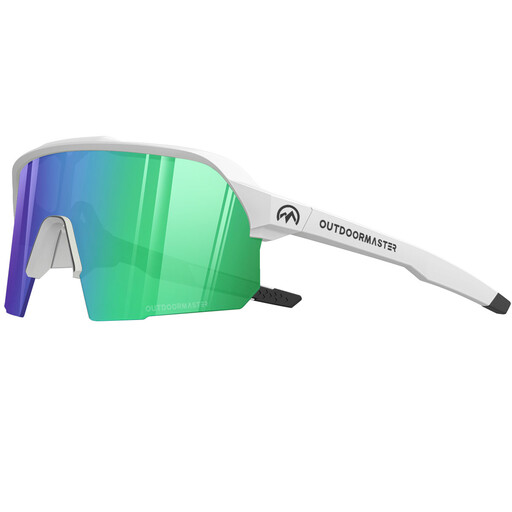
Why it's a match: For those who juggle multiple sports or want a single pair for all conditions, this is the perfect solution. Its masterstroke: it comes with an interchangeable clear lens, perfect for rides on overcast days or in the evening.
No more headaches from having the wrong sunglasses for the weather. The interchangeable lens system ensures perfect visibility and maximum safety, regardless of the light conditions.
The spare clear lens offers unparalleled versatility, transforming a pair of sunglasses into effective low-light protection in an instant.
Discover our full selection of products that meet our rigorous selection criteria and current safety standards.
The right way: always start by rinsing them with clean water to remove dust and debris. Then, use a clean microfibre cloth with a dedicated lens cleaning spray or, failing that, a drop of pH-neutral soap. What to avoid: wiping them with your t-shirt, paper towels, or harsh household cleaners. These can scratch the lenses and irreversibly damage their surface coatings.
Not necessarily. While polarised lenses are excellent for neutralising glare on the road, they can sometimes smooth out certain textures or make it harder to distinguish between dry, wet, or icy patches on trails. Some mountain bikers prefer high-contrast (non-polarised) lenses to better read the terrain. The final choice will depend on your riding style and personal preference.
It all depends on your usage and how well you care for them. A quality TR90 frame can last for many years. The lenses are the components that take the most wear. Deep scratches or visible degradation of coatings (anti-fog, mirror) are a sign that it's time for a replacement. The trick to making them last: always store them in their rigid case after every ride.