What should you check before choosing?
For a single-serve soup after cycling, first decide whether it’ll be a starter, a snack or part of a meal. Then choose packaging that suits the equipment you have available, and check the nutrition information and ingredients for the serving you’ll actually eat.
| What to consider |
What to check |
Who is this for? |
| Place in your meal |
Carbohydrates and protein per serving; what you plan to have with it if the soup is part of a meal. |
After a demanding ride, I want to know what my soup actually provides before deciding what to eat with it. Around 36% of consumers prioritise the make-up of their post-ride meal. |
| Format and preparation |
Volume of each serving; ready-to-heat liquid soup or a sachet that needs boiling water. |
At work or on the go, I choose based on the hot water and equipment I’ll have available. A convenient format is the main priority for around 29% of consumers. |
| Ingredients and allergens |
Ingredients list, highlighted allergens and any “may contain” warnings for the exact recipe. |
If certain ingredients don’t suit me, the brand name alone isn’t enough to help me choose a recipe. This comes before other criteria for around 21% of consumers. |
| Salt and serving size |
Salt per 100 ml or 100 g, then the amount in the serving you’ll eat. |
When comparing two soups, I want to know how much salt is in the whole bowl rather than relying on a figure per 100 ml. Around 14% of consumers put this check first. |
These formats aren’t the same product: a carton contains ready-to-heat liquid soup, while a dehydrated sachet needs to be reconstituted. “Single-serve” doesn’t necessarily mean “tin”, either. To see how a soup fits into a meal, compare the portions you’ll actually eat rather than figures given in different units.
Brands to know in these formats
These examples show how specific recipes and packaging formats differ. The ingredients in one soup don’t necessarily apply to every product from the same brand.
Royco
Dehydrated soups in sachets for when you have access to boiling water.
- For the preparation shown on its website, Royco recommends 200 ml of boiling water and a two-minute wait.
- The 10 vegetables and croutons recipe featured by Carrefour contains wheat, milk and celery, among other ingredients. Check the ingredients for each recipe separately.
Carrefour Classic'
Liquid soup in 30 cl cartons for anyone who prefers a ready-to-heat serving.
- The 8-vegetable velouté featured by Carrefour comes in two 30 cl cartons.
- This recipe includes celeriac, concentrated butter and skimmed milk powder, among other ingredients. Its ingredients don’t tell you what’s in the brand’s other recipes.
Liebig
Liquid soups, including packs of two individual 30 cl cartons.
- Auchan’s product information for Liebig’s 12-vegetable velouté soup lists 16 g of carbohydrates, 2.2 g of protein and 2 g of salt per 300 ml. These figures apply to this recipe and serving size.
- For the Liebig 12-vegetable blended soup featured by Auchan, the storage instructions say to refrigerate it and consume it within 48 hours of opening. Check the instructions for the carton you choose.
Single-serve soups on Joybuy
These products offer different ways to enjoy a serving of soup: sachets to prepare, individual pots or 30 cl cartons. To choose one for after a bike ride, check how it needs to be prepared and the nutrition information for the portion you’ll actually eat. Their recipes aren’t interchangeable.
 Image unavailable
Royco dehydrated carrot and mushroom noodle soup, 3 × 20 cl
Worth considering if you want to prepare a hot serving somewhere with access to hot water.
The pack contains three 20 cl servings. Check the preparation instructions and ingredients for this recipe, especially if you need to avoid certain allergens.
View on Joybuy
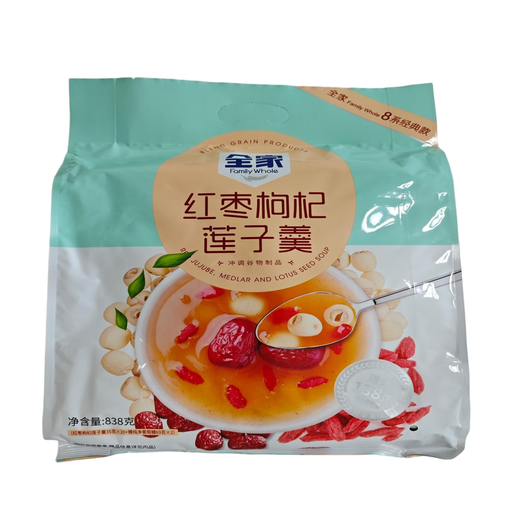 Image unavailable
Family Whole soup with red dates, goji berries and lotus seeds, 838 g, with glucose supplied separately
Worth considering if you’re looking for a preparation to portion out and have access to boiling water, rather than ready-to-heat liquid soup.
The pack contains 838 g in total, with glucose supplied separately. Check how much you’ll use per bowl and the corresponding nutrition information before comparing this preparation with a carton of soup.
View on Joybuy
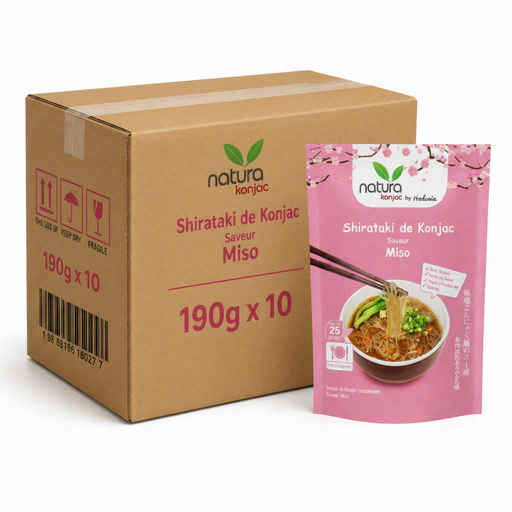 Image unavailable
Natura konjac miso soup, 10 × 190 g
Individual pots are a good option if you want a defined serving, rather than soup in a sachet that needs reconstituting.
The pack contains ten 190 g pots. If you’re comparing the contents of a whole pot, check the nutrition information per 190 g and read the ingredients, especially if soy is a concern for you.
View on Joybuy
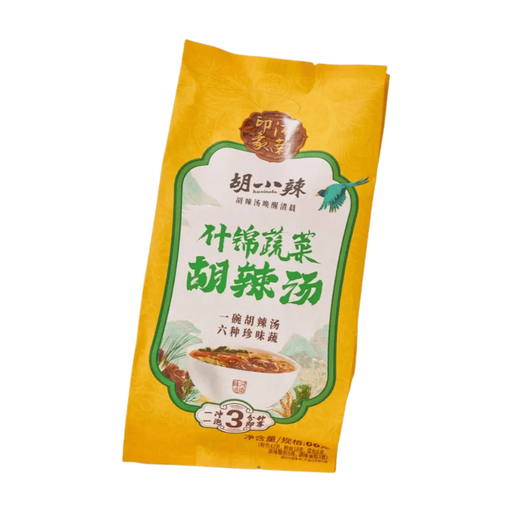 Image unavailable
Haoxiangni spicy vegetable soup, 66 g
A serving to consider if you can make soup with boiling water after your ride.
The sachet contains 66 g. To work out the nutrition in the prepared bowl, factor in how much of the preparation you use and read the allergen information for the recipe.
View on Joybuy
 Image unavailable
Liebig 12-vegetable soup, 2 × 30 cl
Two individual cartons to consider if you prefer ready-to-heat liquid soup after a ride.
Each carton contains 30 cl. Check the packaging for heating instructions, storage advice after opening and nutrition information for one carton. Don’t assume these details are the same as for another Liebig vegetable soup recipe.
View on Joybuy
Frequently asked questions
Is one serving of soup enough after a bike ride?
Not necessarily if you’re planning to have it as a meal. INSEP includes soup as one option in an athlete’s meal, alongside separate components such as starchy foods and sources of protein. Check what’s in your serving and what you plan to eat with it.
Carton or sachet: which should I choose if I’m eating away from home?
Choose based on the equipment available: a carton already contains liquid soup, while a dehydrated sachet needs water to prepare. If you want a hot meal, also check how you’ll be able to heat the carton or get boiling water for the sachet.
How can I check the allergens in a single-serve soup?
Read the ingredients list and information for the exact recipe, including any warnings about traces. The DGCCRF says allergens must be highlighted on the labels of pre-packed foods. The presence of an ingredient in one Royco or Liebig recipe doesn’t tell you whether it’s in another.
Can I keep an opened carton of soup for the next day?
It depends on the instructions on the carton and how you store it. For the Liebig 12-vegetable blended soup featured by Auchan, the instructions say to refrigerate it and consume it within 48 hours of opening. Follow the instructions for your specific product.
What does the best-before date on tinned or dehydrated soup mean?
The best-before date tells you how long the product will keep when stored as instructed. The DGCCRF lists dehydrated foods and tinned foods among the products with a best-before date. Check the exact wording on your packaging and follow the instructions for storage after opening, too.


