What should you check before buying?
First compare products in the same category per 100 g, then check what might affect how you prepare and carry them.
| What to consider |
What to check |
Who is it for? |
| Fat and carbohydrates |
Compare the fat and carbohydrate content per 100 g; distinguish plain dried fruit from mixes containing nuts. |
If you’re taking a snack for exercise and want to keep fat intake low, these two figures can help guide your choice. Around 36% of consumers prioritise this combination. |
| Ingredients and allergens |
Read the ingredients list and allergen information for the exact product. |
If you need to avoid an ingredient or take an allergen into account, the name ‘raisins’ isn’t enough. Around 29% of consumers put this check first. |
| Pack size and storage |
Check the pack weight and the instructions for after opening. |
If you’re preparing for several rides, you need to be able to use the contents in line with the instructions on the packaging. Around 21% of consumers put this first. |
| Choosing the right product |
Check the product information or packaging for the item you’ve actually chosen, rather than relying on the shelf label alone. |
If you’re comparing products from different retailers, you need to identify exactly which one you’re reading the label for. Around 14% of consumers prioritise this. |
Which brands and retailers should you look at?
These examples of brands and retailers can help you distinguish between product types, but they’re no substitute for checking each label.
Carrefour
Carrefour’s dried fruit and mixes range includes raisins and other dried fruit.
- The range makes it easy to spot both plain dried fruit and mixes.
- Open the product information for your chosen item to compare its nutritional details and ingredients.
Auchan
Auchan publishes nutritional information for its 125 g raisins and 125 g sultanas.
- The product information gives fat figures of 1.4 g and 0.8 g per 100 g, respectively.
- Check the ingredients and allergen information for each product.
POUCE
POUCE sultanas sold at Auchan come in a 500 g bag.
- The product information gives 0.5 g of fat and 74 g of carbohydrates per 100 g.
- After opening, the product information advises keeping them in the fridge and eating them within five days.
ALDI
ALDI France lists TRADER JOE'S® raisins in a 250 g bag.
- The stated pack size makes it easy to compare with other raisin products.
- Check the nutritional information and ingredients on the packaging before assessing this product.
Monoprix
Monoprix lists raisins as well as a Naturalia mix combining raisins and nuts.
- Monoprix’s product information for its raisin mix gives a fat figure of 0.6 g per 100 g.
- The Naturalia mix with almonds, hazelnuts and cashews gives 27 g of fat per 100 g, so check the ingredients before comparing these products.
Which dried fruit should you look at on Joybuy?
This Joybuy selection includes raisins, jujubes and a date preparation to consider for a snack on the go. These products have different categories and recipes, so they aren’t interchangeable: choose the type of product first, then read its label.
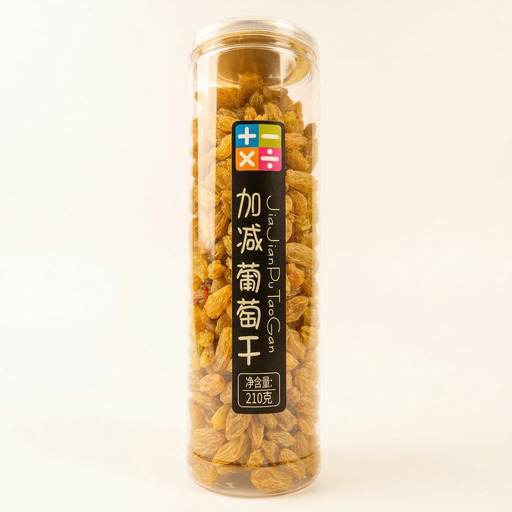 Image unavailable
Jia Jian Cheng Chu Raisins 210 g
Worth considering if you’d rather take raisins than a mix containing nuts. The bag is listed as 210 g; compare the fat and carbohydrate figures on the label for the product you choose.
View on Joybuy
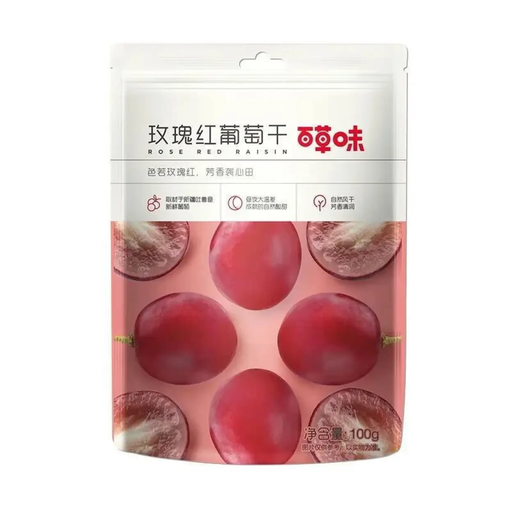 Image unavailable
Be&Cheery Rose red Raisins 100 g
The 100 g bag may suit you if you’re looking for a smaller pack to take with you. Check the nutritional values, ingredients and how much you want to take on your ride.
View on Joybuy
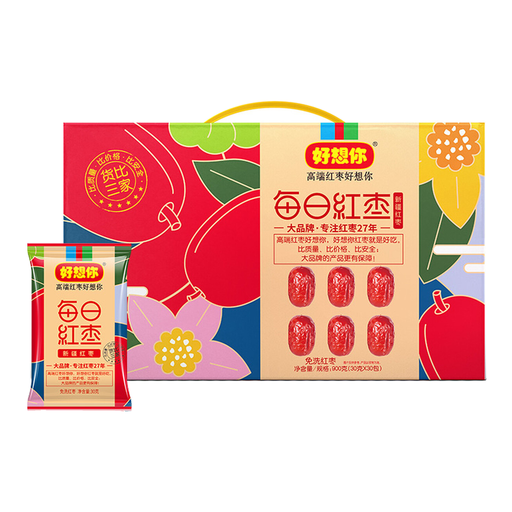 Image unavailable
Haoxiangni Ready-to-Eat Red Dates 900 g, 30 × 30 g
The 30 individual 30 g sachets make it easy to prepare separate portions for several rides. These are red dates, so check whether they contain stones before planning to eat them while cycling.
View on Joybuy
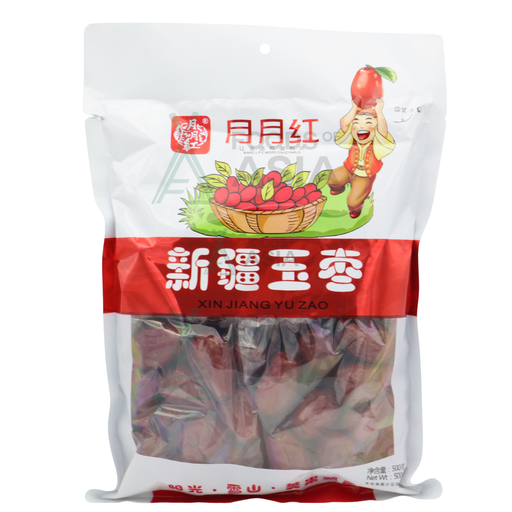 Image unavailable
YYH Dried Xinjiang Jujubes 500 g
This 500 g pack is worth considering if you’re preparing portions for several rides. Before opening the bag, check the ingredients and storage instructions for this product.
View on Joybuy
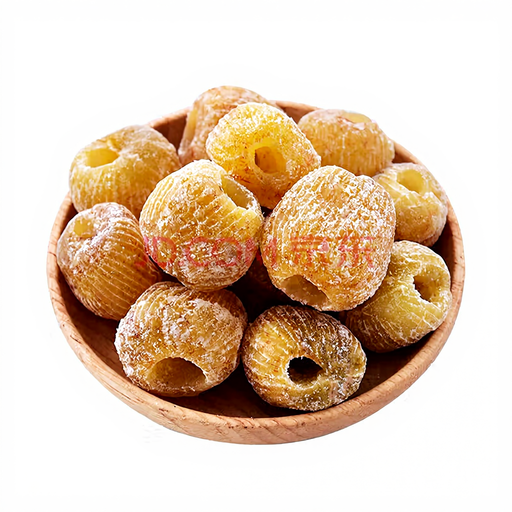 Image unavailable
Jinshi Hard Honey Date 400 g
This honey date preparation shouldn’t be treated as plain dried fruit. If you’re interested in the recipe, check the ingredients list and nutritional information before taking it with you.
View on Joybuy
Frequently asked questions
Does ‘Reduced fat’ simply mean low in fat?
No. A fat figure in the nutrition table isn’t, on its own, the same as a ‘reduced fat’ claim. In France, nutrition claims are regulated by European Regulation (EC) No 1924/2006; the DGCCRF notes that only authorised claims may be used. If you see the claim on a product, check what comparison it refers to and look at the figures per 100 g.
Raisins or a mix with nuts if you want to keep fat intake low?
For this specific criterion, compare the ingredients and values per 100 g. The three raisin products listed by Auchan give fat figures ranging from 0.5 to 1.4 g, while the Naturalia mix with raisins, almonds, hazelnuts and cashews listed by Monoprix gives 27 g. This difference between these particular products doesn’t allow you to judge every product in either category.
What should you check on the label before a bike ride?
Check the fat and carbohydrate figures per 100 g, then the ingredients list, allergen information, pack weight and storage instructions. Choose how much to take based on how you’ll use it and your own tolerance, rather than working out a portion from the per-100 g figures alone.
How should you store a large bag of sultanas after opening?
Follow the instructions on the bag you have. For its 500 g POUCE sultanas, Auchan advises resealing the bag, storing it in the fridge after opening and eating the contents within five days. Instructions may differ for other products.


