
Livraison le jour même ou le lendemain

Qualité garantie

Débloquez vos offres de bienvenue: Livraison GRATUITE | Jusqu'à -80 % | 30 jours d'essai gratuits à JoyPlus
Téléchargez l'application
A pair of cycling glasses shouldn’t be chosen solely on frame colour or the promise of “HD” vision. Whether you’re on the road, on a mountain bike or out for a run, a poorly fitted pair can slip with sweat, fog up on a climb or let in too much light from the sides.
Before buying sunglasses for cycling, three common pitfalls keep cropping up:
According to their spec sheets, UV400 sports glasses are designed to filter ultraviolet radiation up to 400 nm. This mention should be distinguished from the lens tint alone. In clear weather, polarised cycling glasses can reduce glare from wet asphalt, water or car bodies.
Polarisation, however, does not replace UV protection. So check these two features separately. For riding in changing light conditions, photochromic cycling glasses adjust their tint according to UV exposure. They can be particularly handy for an early-morning start followed by a ride in full sun.
Bear in mind: behind a windscreen, the darkening of a photochromic lens may be limited, because some glass filters out part of the UV. These glasses are intended for sports activities and must not be used to look directly at the sun.
A TR90 frame is often appreciated for its flexibility and lightness. In this selection, the models weigh between 25.5 and 33 g. In practice, a few grammes matter less than real stability on your face.
When choosing a lightweight pair of cycling glasses, look for:
Impact-resistant cycling glasses with polycarbonate or PC lenses can handle the light debris you might encounter on a ride. They should not be regarded as industrial safety goggles or certified personal protective equipment unless explicitly stated on the labelling.
A ventilated lens can help reduce condensation during intense effort. It doesn’t, however, guarantee a total absence of fogging: the weather, your pace, your helmet and the difference between your face temperature and the outside air all play a part.
A complete product description should also specify the accessories supplied: case, microfibre cloth, strap, clear lens or internal insert for prescription lenses. To extend the life of your glasses, rinse off dust with clean water, wipe them with a suitable cloth and store them in their case. Avoid kitchen roll, abrasive products and solvents.
The cards below are based on the features stated in the product descriptions. Compliance and resistance information should be verified on the labelling and documentation supplied with each model.
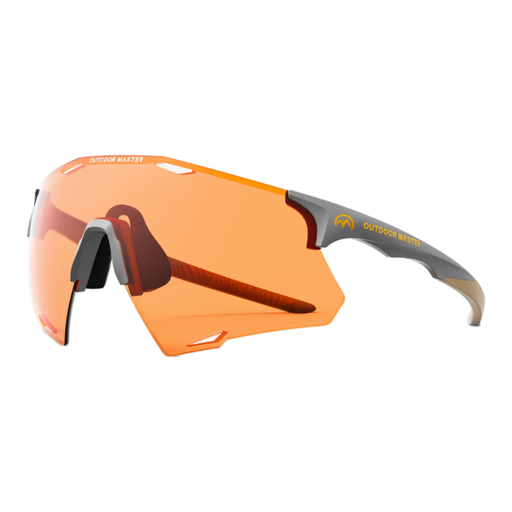
Why this choice suits this profile: This model brings together the features you’d want for your first road rides or outdoor leisure: polarised lenses, stated UV400 protection and a weight of 25.5 g.
The ventilated design limits the risk of fogging, while the adjustable nose pads let you fine-tune the fit rather than relying solely on the frame shape.
Polarised polycarbonate lenses, TR90 frame, stated widened peripheral field of vision and included internal insert for prescription lenses.
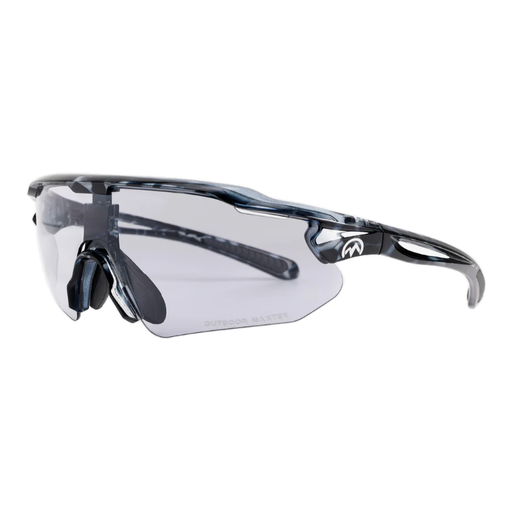
Why this choice suits this profile: Cyclists who mix commuting, long rides and varying light conditions will appreciate the combination of polarisation and photochromic technology.
The spec sheet distinguishes weight by version: 29 g for the photochromic version and 26 g for the polarised version. This detail makes it easier to compare variants.
TR90 frame, adjustable nose pads, photochromic and polarised PC lenses, stated UV400 protection and case included.
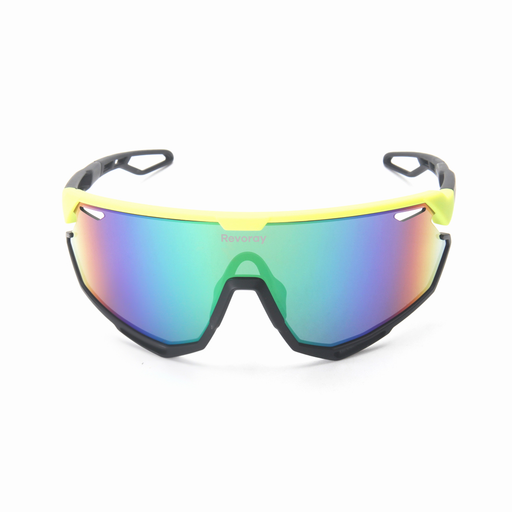
Why this choice suits this profile: For mountain biking, rough terrain and fast rides, the integrated PC lens and anti-slip features meet the need for stability and coverage.
The one-piece construction keeps the field of vision clear, while the rubber nose piece and anti-slip arms reduce movement during effort.
Stated weight of approximately 30 g, TR90 frame, impact-resistant PC lens and UV400 protection indicated on the spec sheet.
We’ve put together a comprehensive, real-time updated list of products that meet these demanding selection criteria and European safety regulations.
They work well on very bright roads and reflective surfaces. If you often move from shade into sunlight, a photochromic model may prove more practical. Do check the tint category and precise features before buying.
Choose a ventilated lens, avoid pressing the glasses flat against your face and let air circulate between your helmet and the frame. Clean the surface regularly with a microfibre cloth. Good ventilation reduces the risk of fogging, but can’t eliminate it in every condition.
It depends on how often you use them and the condition of the lenses. Replace the pair if the lenses are deeply scratched or warped, or if the frame no longer fits properly. Stored in their case and cleaned without abrasive products, your glasses will generally keep performing for longer.