
Livraison le jour même ou le lendemain

Qualité garantie

Débloquez vos offres de bienvenue: Livraison GRATUITE | Jusqu'à -80 % | 30 jours d'essai gratuits à JoyPlus
Téléchargez l'application
Whether you're tearing down MTB trails, clocking miles on the asphalt, or weaving through the city, a good pair of cycling glasses is an essential part of your cycling kit. However, the market is saturated with marketing promises that can quickly turn the decision into a headache. Between complex spec sheets and sometimes misleading sales pitches, the risk of ending up with an unsuitable or even disappointing product is very real.
As the head of product selection at Joybuy, my mission is to help you see things more clearly. Let's break down the traps to avoid and the criteria that truly matter, so you can make an informed choice that protects your eyes and boosts your comfort.
Before you even start comparing models, it's crucial to know how to spot common pitfalls and hidden flaws that can turn a great ride into an ordeal.
To make the right choice, focus on two pillars: lens quality and frame material.
The lens is the heart of your glasses. Its properties determine not only your protection but also the quality of your vision.
A good frame should be so comfortable you forget you're wearing it. Its design is just as important as the lenses.
To help you put theory into practice, here are a few models that cater to different user profiles, all selected based on performance and reliability criteria.
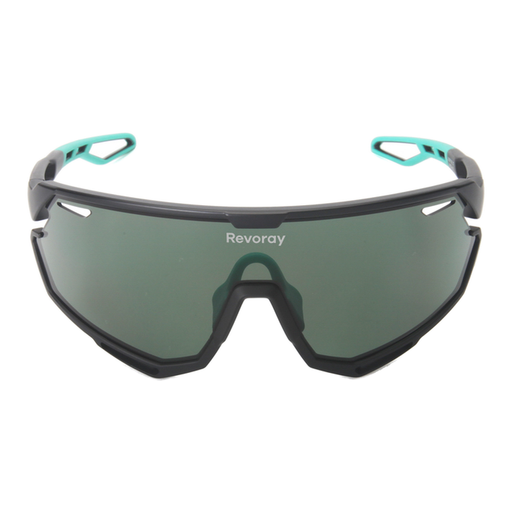
Profile: Perfect for those who switch between road and trails. This model gets straight to the point: protection, light weight, and a wide field of view, with no frills.
Weighing in at just 30g with its TR90 frame, it sidesteps the discomfort trap. Its single-piece, impact-resistant PC lens offers reliable protection that goes far beyond standard plastics.
An excellent protection-to-weight ratio, with an aerodynamic design that reduces wind resistance and ensures great stability.
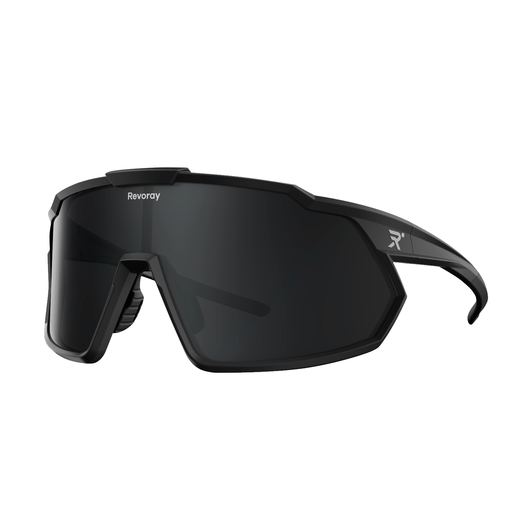
Profile: Designed for road cyclists who demand absolute visual clarity to anticipate road imperfections and react quickly, even in bright sunlight.
Its HD TAC polarized lenses neutralize glare, a far more tangible benefit than a simple dark tint. The hydrophobic and oleophobic coatings combat the nuisance of vision blurred by rain or fingerprints.
HD vision without glare and simplified maintenance thanks to the lens coatings. The ANSI Z87.1 certification attests to its impact resistance.
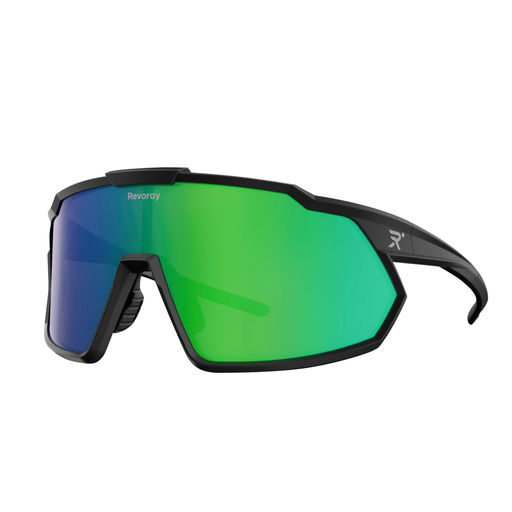
Profile: For mountain bikers who tackle rough terrain and changing light conditions, where a secure fit and equipment durability are paramount.
The adjustable nose pads and grippy silicone temple tips anchor the glasses to your face, even during the roughest rides. The flexibility of the TR90 frame protects it against twists and impacts.
A rock-solid fit and customisable adjustment for total comfort on the most demanding MTB trails.
Protecting your eyes is a priority, but comprehensive sun protection doesn't stop there. For long summer rides, protecting your skin from the sun is just as crucial for comfort and performance. Accessories like UV protection arm sleeves are an ideal addition to your kit, offering a barrier against harmful rays without causing you to overheat.
Discover our selection of gear that meets the same high standards of protection and comfort for your rides.
Standard (non-polarized) lenses simply reduce brightness and block UV rays. Polarized lenses go a step further: their special filter neutralizes horizontally reflected light—in other words, the glare from surfaces like wet asphalt or water. The result is sharper vision, better-defined contrasts, and significantly reduced eye strain.
The simplest method is still the best: rinse them under clean water to remove dust and debris, then gently dry them with the provided microfiber cloth. Avoid harsh chemicals and paper towels. Between rides, always store them in their rigid case to protect them from scratches and impacts.
Compared to conventional plastics (like acetate or polycarbonate), TR90 clearly stands out for sports use. It is much lighter, which improves long-term comfort. Its high flexibility allows it to withstand significant bending without breaking, thereby increasing its lifespan. Finally, it is more resistant to chemical exposure (from sunscreen, sweat) and temperature changes.