
Livraison le jour même ou le lendemain

Qualité garantie

Débloquez vos offres de bienvenue: Livraison GRATUITE | Jusqu'à -80 % | 30 jours d'essai gratuits à JoyPlus
Téléchargez l'application
Whether you're a casual Sunday rider or a hardcore road warrior, choosing your cycling glasses isn't a decision to be taken lightly. Far more than a simple accessory, they are a key piece of equipment for your safety and comfort. Yet, in a market flooded with marketing promises, it's easy to get trapped. My role, as Head of Product Recommendations at Joybuy, is to help you see things more clearly and focus on the criteria that truly make a difference.
Before we present our top picks, let's break down the 3 most common mistakes that can cost you dearly, both in money and comfort.
To make the right choice, you need to focus on objective technical features. Here are the three fundamental points to scrutinise.
This is THE number one criterion. The lens technology must be perfectly suited to your riding style.
The frame material directly impacts the comfort and lifespan of your glasses.
A good pair of glasses should be so comfortable you forget you're wearing them.
Rather than an endless list, we've selected specific models for each type of riding. The goal: to help you find the pair that truly fits your needs.
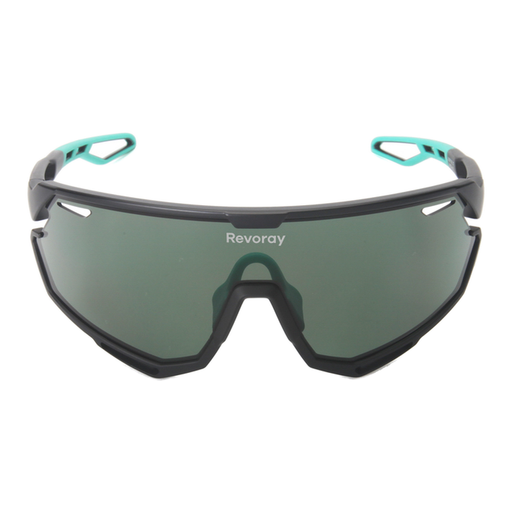
Why it's a match: Ideal for beginners or recreational riding. This model focuses on the essentials: protection, light weight, and a secure fit, without driving up the price with complex lens technologies.
Here, you're not paying for the brand, but for quality. It features a TR90 frame and impact-resistant polycarbonate (PC) lenses—materials usually found on much more expensive models.
Its feather-light weight (around 30g) and full UV400 protection make it a champion of value for money for occasional use.
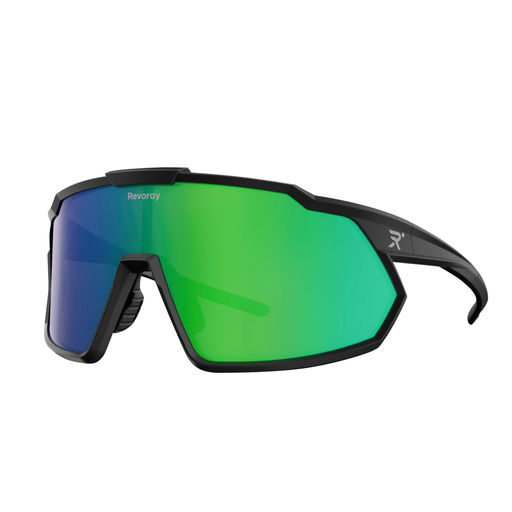
Why it's a match: Designed for road cyclists who demand visual clarity. Its polarised lenses neutralise blinding glare—a real bonus for safety and comfort on long, sunny rides.
It debunks the "unbreakable" lens myth with certified impact resistance (ANSI Z87.1). You get high-performance polarised lens technology without paying the premium price of a big-name brand.
Its HD TAC polarised lenses ensure a crisp view by filtering out distracting glare. The bonus: adjustable nose pads for a rock-solid fit, even during intense effort.
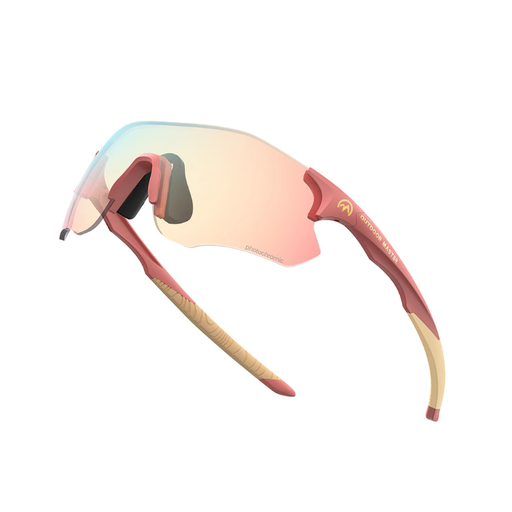
Why it's a match: The ultimate weapon for MTB and routes with changing light conditions. No more stopping to swap glasses: the lenses adapt in real time.
It solves the puzzle of the single lens that's never quite right. Photochromic technology provides unbeatable versatility compared to standard lenses, saving you the frustration of a poor choice.
The photochromic technology varies the lens tint (from Cat. 0 to Cat. 3) based on UV intensity. The result: perfect vision, whatever the conditions.
We have put together a complete and up-to-date collection of models that meet our demanding selection criteria and current safety standards.
It all depends on care and frequency of use. A good TR90 frame can last for several years. The lenses, being more exposed, wear out faster. Deep scratches impair vision and warrant a replacement. Also, consider replacing them after a significant impact, even with no visible damage. The best practice: always store them in their rigid case to extend their lifespan.
As a general rule, no. Photochromic technology reacts to UV rays to activate. Since modern windscreens filter out almost all of these UV rays, the lenses will remain clear or will only darken very slightly inside a car. They are truly designed for direct sun exposure outdoors.
The foolproof method: first, rinse the lenses with clean water to remove any abrasive dust. Then, gently dry them with the provided microfibre cloth. Above all, never use paper towels, the corner of your t-shirt, or any alcohol-based products or detergents. You would risk irreversibly damaging the surface coatings on the lenses (polarised, anti-reflective, etc.).