
Livraison le jour même ou le lendemain

Qualité garantie

Débloquez vos offres de bienvenue: Livraison GRATUITE | Jusqu'à -80 % | 30 jours d'essai gratuits à JoyPlus
Téléchargez l'application
Whether you're on a sunny country road, a shaded mountain bike trail, or climbing a steep mountain pass, a good pair of cycling glasses is far more than just a fashion accessory. It's an essential piece of safety gear that shields your eyes from sun, wind, insects, and flying debris. However, with a saturated market and often confusing marketing claims, it's easy to get lost.
Our mission: to help you see things more clearly. We'll break down the common pitfalls to avoid so you can make an informed choice that's perfectly suited to your riding style and budget.
Making the right choice starts with knowing how to spot common misconceptions. Here are three frequent mistakes that can be costly in terms of both comfort and safety.
Many entry-level glasses claim to offer UV protection but fail to specify the standard. For effective protection, the standard to demand is UV400 protection. This certification guarantees that the lenses block 99% to 100% of UVA and UVB rays, safeguarding your cornea and lens for the long term. Lesser protection can even be counterproductive: the dark tint of the lens causes your pupil to dilate, allowing even more harmful rays to enter if the filter isn't up to the task.
A multi-hour ride with a heavy or poorly-fitting frame quickly becomes an ordeal. Pressure points on the nose or behind the ears create discomfort that distracts you from what matters most: the road. Materials like TR90 have become the gold standard for sports eyewear. A TR90 frame offers the winning combination: lightness, flexibility, and impact resistance, ensuring lasting comfort without sacrificing durability.
When cycling, you constantly face changing light conditions: riding through wooded areas, unpredictable weather, late-day rides... Simple tinted lenses, which are perfect in bright sun, become a nuisance or even a hazard in low light. Ignoring advanced lens technologies means missing out on a real advantage in safety and performance.
Now that we've identified the pitfalls, let's look at what truly makes a difference in a good pair of glasses.
Safety first. Ensure the glasses offer complete UV400 protection. Polycarbonate lenses are an excellent choice: they combine lightness with high impact resistance, a major advantage in the event of flying gravel or a fall. For the frame, TR90 offers a weight/flexibility/durability ratio highly acclaimed by cyclists.
This is the crucial decision. Understanding the difference is essential for your visual comfort.
Some models even combine both technologies for absolute versatility.
A good pair of glasses should be so comfortable you forget you're wearing them. Check these three key points:
To move from theory to practice, here are a few models that suit different types of cyclists.
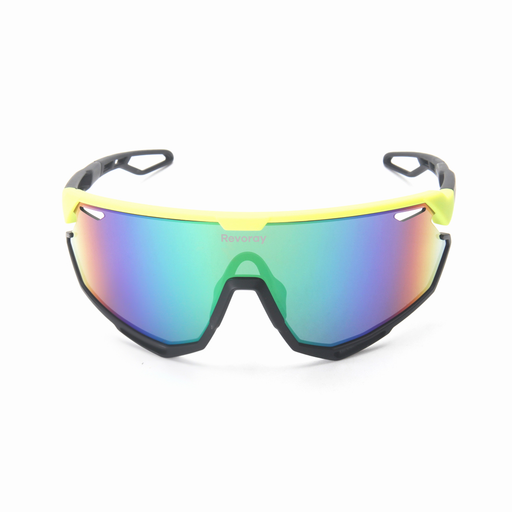
Why this model? Ideal for beginners or for regular rides without breaking the bank. It checks all the essential boxes (protection, lightness, fit) and stands out as a practical choice for recreational cycling and commuting.
This model features an ultra-light TR90 frame (around 30g) and non-slip temples, thus avoiding the discomfort of heavy, ill-fitting frames, even on rough roads.
Full UV400 protection and a single-piece, impact-resistant PC lens. An excellent protection-to-price ratio.
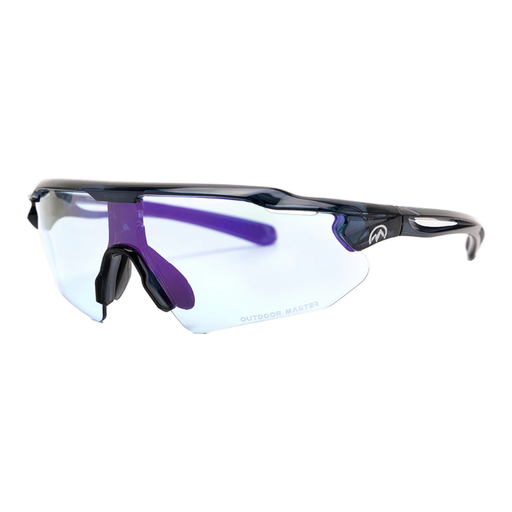
Why this model? Perfect for the cyclist who enjoys both road and mountain biking, or for anyone who heads out for a ride without knowing if the weather will hold. One pair for all conditions.
Thanks to its photochromic lenses, it avoids the pitfall of changing light. The tint adjusts automatically, providing optimal vision whether you're in bright sun on the tarmac or on a dark forest trail.
Combines photochromic and polarised technologies for all-weather versatility. The TR90 frame is ultra-light (26-29g) and the nose pads are adjustable.
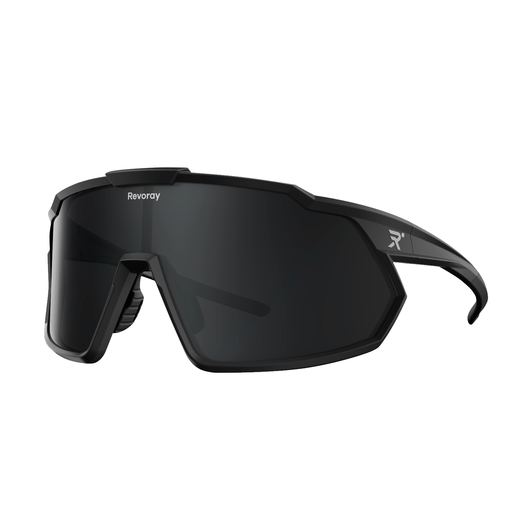
Why this model? Designed for cyclists focused on performance. The priority is optical clarity and glare elimination for a perfect read on the road, even at high speed and in bright conditions.
This model goes beyond simple UV protection. It incorporates HD TAC polarised lenses that actively filter out glare, a phenomenon that causes fatigue and loss of focus on long rides.
Certified to meet the ANSI Z87.1 impact resistance standard. The lenses are treated with a hydrophobic and oleophobic coating to stay pristine for longer.
Discover our full selection of glasses that meet our strict requirements for protection and performance.
How do I properly clean my cycling glasses? To preserve the lens coatings, forget using the corner of your jersey or a paper towel. First, rinse them under clean water to remove dust and debris. Then, use a clean microfibre cloth (often included) with a little mild soap if necessary. Dry them gently without rubbing.
What is the lifespan of photochromic lenses? Photochromic technology doesn't last forever. The molecules that react to UV light wear out over time and with repeated use. Generally, you can expect optimal performance for two to three years with regular use. Beyond that, the transition time may lengthen and the tint range may diminish.
Can you wear cycling glasses with prescription glasses? Yes, several solutions are available. Some MTB goggles are designed as "OTG" (Over The Glasses) to be worn over prescription eyewear. For road-style glasses, many models, like some featured in this guide, come with a removable optical insert. You can simply take this insert to your optician to have prescription lenses fitted.