
Livraison le jour même ou le lendemain

Qualité garantie

Débloquez vos offres de bienvenue: Livraison GRATUITE | Jusqu'à -80 % | 30 jours d'essai gratuits à JoyPlus
Téléchargez l'application
Whether you're eating up miles on the asphalt, bombing down MTB trails, or weaving through the city, a good pair of cycling glasses is much more than a fashion accessory. It's a cornerstone of your gear, essential for both your comfort and your safety. Yet, faced with a jungle of models and sometimes obscure technical jargon, it's easy to get lost. How can you tell real innovation from a mere marketing claim?
As a Product Expert at Joybuy, my role is to help you see things more clearly. Let's break down the pitfalls to avoid and the criteria that truly matter to make an informed choice, far from the siren song of marketing.
Before diving into the spec sheet, it's crucial to know the common mistakes that can turn a purchase into a regret.
To avoid these traps, focus on a few objective characteristics that signify the quality of a pair of cycling glasses.
This is the absolute standard for any sports eyewear worth its salt. The UV400 protection certification guarantees that the lenses filter nearly 100% of harmful ultraviolet rays (UVA and UVB), which are extremely damaging to your eyes in the long term. It's simple: if this isn't mentioned, walk away.
This is arguably the most critical choice, as it directly depends on your favorite playground.
The frame material directly impacts weight and durability. TR90, a cutting-edge thermoplastic, is highly sought-after for sports frames. It is renowned for its lightness, flexibility, and incredible impact resistance.
For optimal comfort, check for adjustable or non-slip rubber nose pads and temple tips. These are the details that ensure the glasses won't budge an inch, even when you're sweating or on rough trails. And while labels often mention men's cycling glasses, the key is to find a frame that fits the morphology of your face, regardless of your gender.
To put theory into practice, here are a few models that match specific cyclist profiles, selected based on the objective criteria we've just covered.
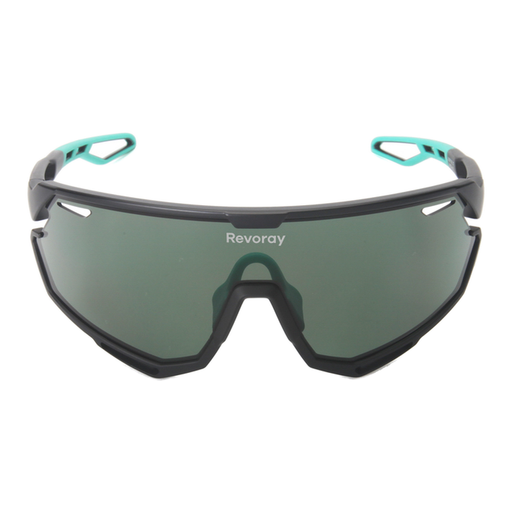
Why we chose it: This is an excellent entry point for anyone seeking reliable performance without breaking the bank. It ticks all the essential boxes for regular road or trail rides.
It focuses on technology, not the logo. The TR90 frame (approx. 30g) and rubber nose pads avoid the neglected-comfort trap by ensuring a flawless fit.
Single-piece, impact-resistant polycarbonate lens with UV400 protection. Aerodynamic design that reduces wind resistance.
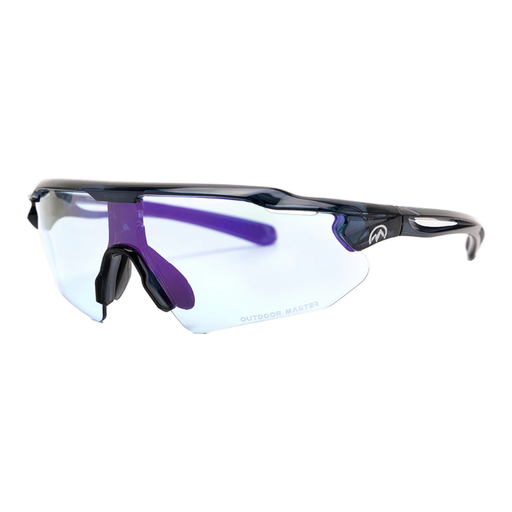
Why we chose it: Perfect for mountain bikers and cyclists who face changing light conditions. The photochromic technology offers absolute versatility on forest trails or mountain roads.
It solves the problem of having the wrong lens. The photochromic technology adjusts the tint automatically, ensuring perfect visibility whether you're in direct sunlight or in the shade of the trees.
The combination of photochromic and polarized technologies for maximum clarity and protection. Ultra-light TR90 frame (26-29g) with adjustable nose pads.
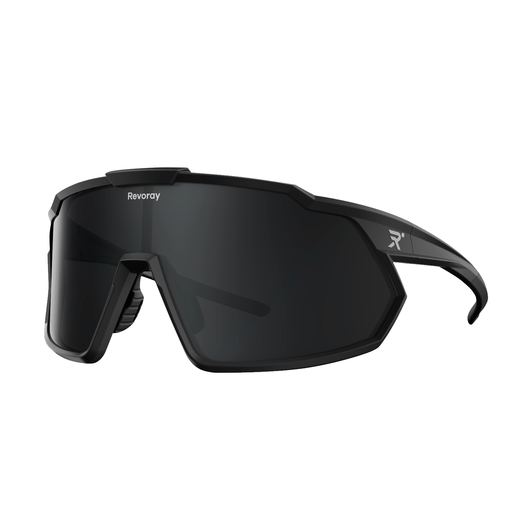
Why we chose it: For the road cyclist who demands uncompromising optical clarity and protection. The high-quality polarization and resistance certification are key advantages for speed and long distances.
It delivers verifiable technical performance. The ANSI Z87.1 certification for impact resistance goes far beyond marketing talk, offering a real guarantee of durability.
HD TAC polarized lenses that filter glare with formidable efficiency. Multi-layer coatings (hydrophobic, oleophobic, anti-scratch) for rock-solid durability.
We have curated a complete range of products that meet our strict selection criteria and European safety standards.
Using your jersey to wipe the lenses? A definite no-no! To preserve the clarity of the lenses and the longevity of your glasses, first rinse them with clean water to remove dust and debris. Then, gently dry them with a clean microfiber cloth. Finally, always store them in their rigid case or soft pouch to protect them from scratches and impacts.
As a general rule, no. Most photochromic lenses react to UV rays to change their tint. However, modern windshields block almost all of these rays. As a result, the lenses will darken very little, if at all, inside a vehicle. They are indeed designed for outdoor use.
It all depends on the quality of the materials, how often you use them, and, of course, how well you maintain them. A quality TR90 frame can last for many years. The lenses are often the first component to show signs of wear, mainly due to micro-scratches. The treatments (polarized, photochromic) can also lose effectiveness after several years of intense sun exposure. A word of advice: replace your glasses as soon as the lenses are damaged or your vision is no longer perfectly clear.