
Livraison le jour même ou le lendemain

Qualité garantie

Débloquez vos offres de bienvenue: Livraison GRATUITE | Jusqu'à -80 % | 30 jours d'essai gratuits à JoyPlus
Téléchargez l'application
Whether you're eating up miles on the tarmac or shredding technical MTB trails, perfect vision and rock-solid protection are non-negotiable. Glare, wind, dust, and insects can quickly turn a pleasant ride into an ordeal, or even a dangerous situation. Choosing the right cycling glasses isn't a luxury—it's essential for your comfort, safety, and performance.
This guide is here to cut through the noise. We'll break down the essential criteria to consider before you buy and present a selection of 2026 models that meet specific needs, all without the marketing fluff.
With an overwhelming number of options on the market, it can be tough to know where to start. To make the right choice, here are the three key factors to check.
This is the number one job of your cycling glasses: protecting your eyes. This protection works on two fronts:
Irritating or slipping glasses can ruin a ride. To avoid this, pay close attention to the following points:
When it comes to lenses, technology has taken a giant leap forward. Here's what you need to know:
To put theory into practice, here are a few models that caught our eye with their technical features and cyclist-focused design.
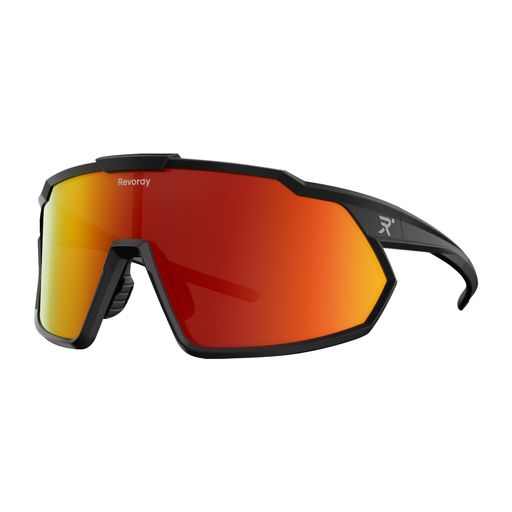
What this model is all about
This model combines high-definition polarised lenses with a frame that is both lightweight and stable. It's aimed at cyclists seeking superior visual clarity to neutralise road glare, all while benefiting from certified protection.
Key Features
Who is it for?
Perfect for roadies and long-distance cyclists who prioritise glare reduction and comfort on sunny rides.
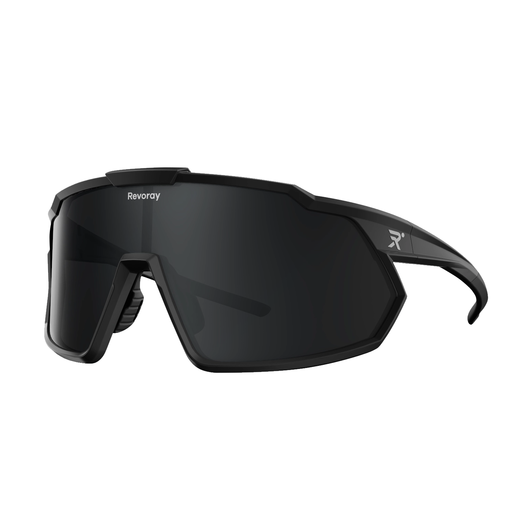
What this model is all about
This version shares the excellent technical features of the orange model but comes in a more understated black colourway. It remains a top choice for glare-free vision and reliable protection, all in a classic, versatile design.
Key Features
Who is it for?
For cyclists who want the same polarisation and protection performance as the Y1 orange model but prefer a more discreet and versatile aesthetic.

What this model is all about
The X3 model is all about lightness, aerodynamics, and a panoramic field of view. Its single-piece polycarbonate (PC) lens offers top-tier impact resistance, making it a prime choice for demanding disciplines like MTB or high-speed cycling.
Key Features
Who is it for?
Recommended for performance-focused road cyclists and MTB riders who need a maximum field of view, high impact protection, and an ultra-light frame.
But protection doesn't stop with your eyes. During summer rides or on clear days, your skin is just as exposed to the sun. Thinking about a complete gear setup is the key to riding with peace of mind.
To complement your new glasses, discover our selection of UV protection tops. Made from technical fabrics, they shield you from the sun's rays while providing excellent moisture management.
Polarised lenses contain a special filter that blocks the intense light reflected off flat surfaces like a wet road, a body of water, or a car bonnet. This eliminates glare, improves contrast, and reduces eye fatigue. Non-polarised lenses, on the other hand, reduce overall brightness but are ineffective against these specific reflections. Polarisation is therefore a game-changer for road cycling.
On rides lasting several hours, every gram counts. Lighter glasses put less pressure on your nose and ears, preventing pressure points and headaches. Feather-light cycling glasses let you forget you're wearing them so you can focus 100% on your effort.
While many models are versatile, there are a few subtle differences. For MTB, an extra-wide field of view and maximum impact resistance are often prioritised to protect against branches and debris. For road cycling, the fight against glare (long live polarisation!) and aerodynamics often take precedence.