
Livraison le jour même ou le lendemain

Qualité garantie

Débloquez vos offres de bienvenue: Livraison GRATUITE | Jusqu'à -80 % | 30 jours d'essai gratuits à JoyPlus
Téléchargez l'application
Well-thought-out cycling equipment isn't just about piling on a helmet, a light and a pannier. In the UK, the needs are different whether you're commuting to work, heading out for cycle touring, tackling a mountain bike trail or getting between lectures. The most common pitfall? Choosing an accessory that looks good on paper but is fiddly to fit, unstable once you're in the saddle or unreliable in the rain.
Before comparing prices, take the time to check the dimensions, materials, compatibility with your bike and the conditions you plan to use it in.
A pannier described as "water-resistant" will generally cope with splashes and a light shower, but isn't necessarily designed to withstand heavy rain for several hours. The zips, seams and attachment points are often the first areas where water seeps in.
To carry a laptop, smartphone or documents, check for a protected zip, a coated fabric and, where stated, an ingress protection rating. The IPX4 mark means the product resists water splashes; it doesn't guarantee it can be submerged.
A frame bag that's too wide can interfere with your knees. A poorly secured rear pannier is likely to sway in corners. And an overloaded rucksack can quickly become uncomfortable over a long distance.
Before ordering, check the attachment system, the strap length and the space available around cables, pedals and handlebars. A quick-release fitting is handy, provided it stays properly tightened before every ride.
A lumen count, battery capacity or volume in litres isn't enough to judge an accessory. A very powerful light also needs to sit securely on the handlebars and offer realistic battery life in the mode you're using. A large battery often adds weight, while an oversized bag will only clutter up a daily commute.
Urban cycling equipment should first and foremost suit the distance you ride, your storage options and the traffic conditions.
Whether you ride an e-bike, a city bike or a mountain bike, examine the frame geometry and available attachment points. A frame bag is generally fine for small items, but its shape must leave enough leg room. For shopping or a change of clothes, a rear pannier of 20 to 30 litres will be more suitable.
Owners of a folding e-bike should also check the overall size once the bike is folded. A bag attached to the frame or rack must not block the folding mechanism.
At night, your equipment must make you visible while properly lighting the road, without dazzling other road users. In the UK, a bike must be fitted with a white or yellow front light and a red rear light when visibility is poor.
A rechargeable light is particularly practical for daily commutes. Look at its battery life in the selected mode, the sturdiness of its mount and its water resistance. A remaining battery indicator also helps avoid nasty surprises on the way home.
A MIPS bike helmet may incorporate a structure designed to better manage certain movements during an oblique impact, depending on the manufacturer's design. This doesn't replace the need to choose the right size or follow the usage instructions.
For a helmet sold in the UK, look for the CE mark and the reference to the applicable European standard, typically EN 1078 for cycle helmets. Measure your head circumference and adjust the chin strap without leaving excessive slack. After an impact, a helmet must be replaced, even if no cracks are visible.
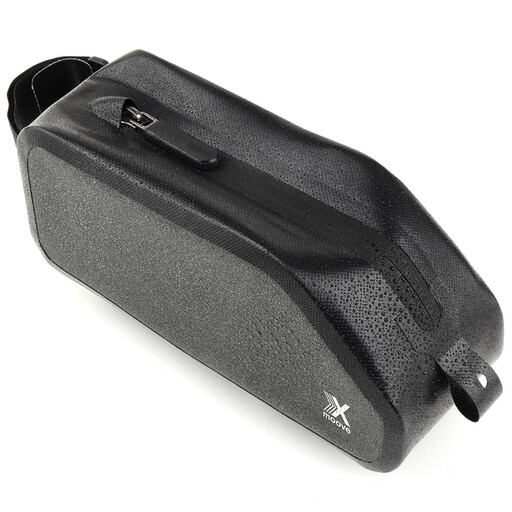
Why this choice suits this profile: Its lightweight design is ideal for urban journeys, students and cyclists who want to carry a phone, keys, documents and small tools without fitting a rack.
The three adjustable straps allow the fitting to be adapted to most frames. Still, check that the bag doesn't touch the cables or your legs.
A compact design, carry handles and a material stated as water-resistant on the product page.
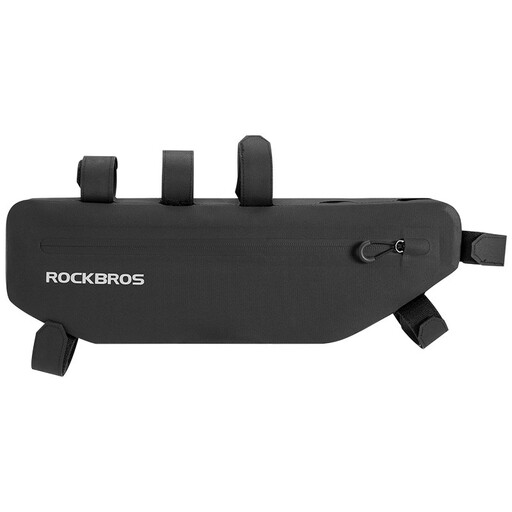
Why this choice suits this profile: With its 3 or 4 litres, this frame bag is aimed at cyclists who want to organise their mountain bike accessories, repair kit or personal items on longer rides.
The 840D fabric, zips stated as waterproof and internal reinforcements limit the risk of distortion and inadequate protection. Still, check the zip before every ride.
A volume of 3 to 4 litres, a stated profile of 6 cm and reflective elements on both sides.
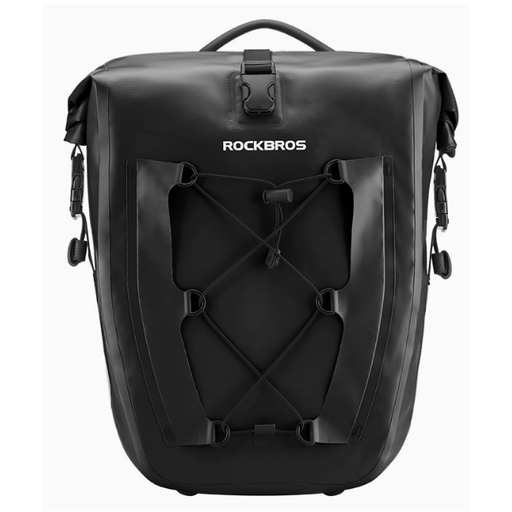
Why this choice suits this profile: Its expandable volume suits commuters who regularly carry clothes, shopping or cycle touring gear.
The roll-top closure limits water ingress and avoids relying on an exposed small zip. The bag must still be properly secured to the rack and not overloaded.
A stated capacity of 30 litres, PVC fabric and a reflective logo on the back.
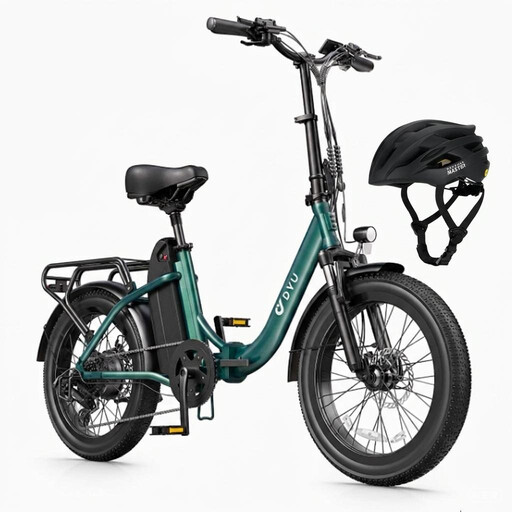
Why this choice suits this profile: Its folding frame makes it easy to store in student accommodation, a car boot or when combining cycling with public transport.
The stated top speed of 25 km/h corresponds to the limit generally associated with electrically assisted pedal cycles. However, check the compliance information, included equipment and locally applicable rules.
A stated 250 W motor, 48 V battery and an adult MIPS helmet included, in size L.
We've compiled a comprehensive, real-time updated selection of products that meet these demanding criteria and European safety regulations.
For daily use, start with the accessories that directly affect safety and visibility:
An action camera for cycling can also have its place in an outdoor kit. The lightweight model featured in the selection offers a stated 120-degree angle, a 0.85-inch screen and mounts for bike, helmet and rucksack. Before using it on the road, attach it so it doesn't reduce your visibility or compromise the stability of your helmet.
Plan at least a suitable helmet, front and rear lights, a lock and a carrying solution. A rear pannier will work for clothes and shopping, while a frame bag will suffice for small items. Depending on the season, add high-visibility clothing and rain protection.
Clean bags with a damp cloth, then let them dry completely. Regularly inspect straps, seams and zips. For lights, use a compatible charger and avoid exposing them to excessive heat. On an e-bike, also remember to check tyre pressure, brakes and the general condition of the fixings.
It all depends on the bike and the level of storage you need. A basic kit can include a helmet, lights, a lock and a small bag. Regular cyclists will often add a larger pannier, tools, suitable clothing and possibly a camera. Compare the features that will genuinely serve you, rather than just looking at the price tag.