
Livraison le jour même ou le lendemain

Qualité garantie

Débloquez vos offres de bienvenue: Livraison GRATUITE | Jusqu'à -80 % | 30 jours d'essai gratuits à JoyPlus
Téléchargez l'application
Choosing cycling equipment seems straightforward… until the first flaws start to show in use. A poorly sized bike quickly becomes uncomfortable, unsuitable brakes make wet-weather rides tricky, and slipping glasses can impair your vision. To avoid being guided solely by price or an overly flattering product description, it's best to start by comparing every feature against how you actually ride.
An 18-speed bike offers a useful range of ratios, but that number alone isn't enough to judge the drivetrain. You also need to consider the type of derailleur, the shifters, the maintenance required, and whether it suits your routes. In town, on flat terrain, a simple drivetrain can be perfectly adequate. On hilly trails or for mountain biking, more gears make it easier to select the right gear for the climb.
A 26-inch, 27.5-inch or 700C wheel doesn't automatically determine the frame size. Your height, inside leg measurement and desired riding position matter far more than just the wheel diameter. A bike that's too large lacks manoeuvrability, while a frame that's too small can force you into an uncomfortable position on longer rides.
The term "disc brakes" covers a family of systems, not a uniform level of power or adjustment. Mechanical brakes work via a cable and are generally simpler to maintain. Check the pad adjustment, the condition of the cables or housings, and whether the instructions are clear enough. Before every ride, test the brakes – especially after assembling the bike.
An aluminium bike can be lighter than a model with a steel frame, but the geometry and components also affect how the bike handles. The Hiland H200 Plus, for example, has an aluminium alloy frame and a claimed weight of 15.54 kg. Its front suspension fork is designed for uneven terrain, while its three-spoke monobloc rims are said to require little maintenance.
Steel can still be a sensible choice if you prioritise durability. The Hiland Ridge features a high-tensile carbon steel frame, double-wall alloy rims and 2.125-inch tyres. This setup is aimed more at versatile riding and trails than at chasing the lightest possible weight.
On an adult mountain bike, an 18-speed drivetrain can make climbing and acceleration easier. Make sure the shifters are easy to use and that the gear range genuinely covers the type of terrain you ride. For a road bike with 700C wheels, the priority is often smoothness on tarmac, riding position and suitability for the distances you cover. The Hiland Alliance offers 14 speeds, 700C wheels and calliper brakes, with a claimed weight of 12.48 kg.
Disc brakes are useful for trails, descents and changing weather conditions. That said, they still need a thorough initial set-up. When you receive the bike, check the tightness of the handlebars, saddle, pedals and front wheel.
In town, wide tyres aren't always an advantage. They increase rolling resistance and can make the steering feel heavier. Conversely, a kids' off-road bike intended for gravel, mud or sand can benefit from a wider section. The Hiland Roon is fitted with 20 × 4-inch fat tyres and seven speeds. This setup targets loose terrain, but its claimed weight of around 16.8 kg should be considered – especially if a child needs to move it.
For glasses, look at the lens technology, how they fit on your face, ventilation and the conditions you'll be riding in. Photochromic cycling glasses adjust their tint according to UV exposure, while polarised cycling glasses reduce certain reflections. These two technologies don't serve exactly the same purpose.

Why this choice suits this profile: Its aluminium frame, 18 speeds and front suspension fork work well for leisure rides, daily commutes and uneven terrain alike.
The listing states the weight, frame material, brake type and the partial assembly required. That helps limit unpleasant surprises when you unpack it.
Aluminium frame, 18 speeds, dual disc brakes and front suspension fork.
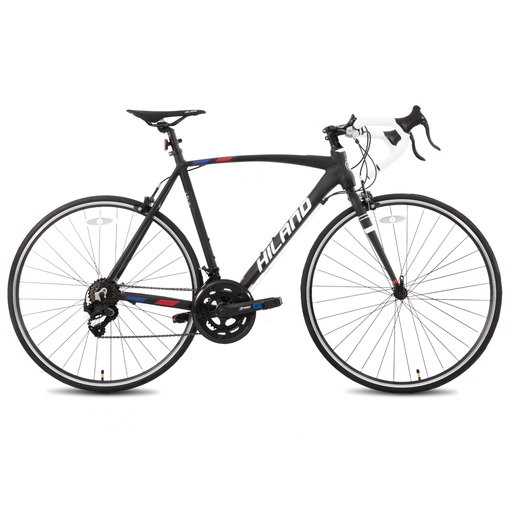
Why this choice suits this profile: Its 700C wheels and aluminium alloy frame are aimed at cyclists who mainly ride on the road, in town or over long distances.
The listing clearly states it is not designed for extreme terrain. So there's no risk of mistaking it for a mountain bike.
Claimed weight of 12.48 kg, 700C wheels, aluminium frame and 14-speed drivetrain.
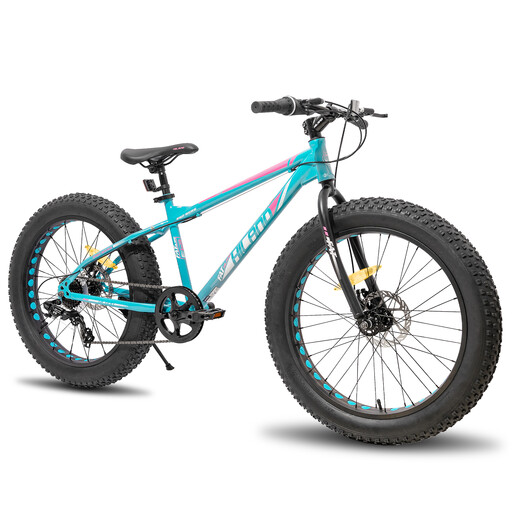
Why this choice suits this profile: Its 4-inch tyres and seven speeds are designed for gravel, sand, snow or mud, with appropriate supervision.
The tyre size, approximate weight and frame size are all listed. This information lets you check that the child will actually be able to handle it.
Fat tyres 20 × 4 inches, seven-speed Shimano and dual mechanical disc brakes.
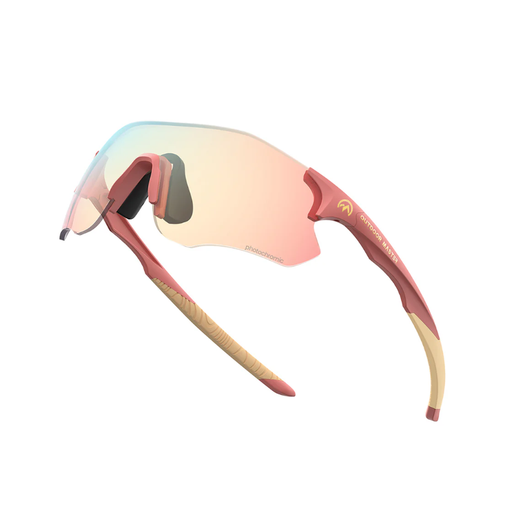
Why this choice suits this profile: The stated tint, ranging from category 0 to 3, adapts to the changing light conditions you encounter on rides and outdoor trips.
The listing distinguishes UV400 protection from the tint-changing feature. These glasses are not a substitute for industrial protection or equipment designed for direct sun observation.
HD photochromic lenses, TR90 frame, hard case and replaceable nose pad.
We've put together a comprehensive selection, updated in real time, of products that meet these demanding criteria as well as European safety regulations.
When delivered, some bikes still require you to fit the handlebars, pedals, front wheel and saddle. Follow the supplied instructions and have the assembly checked by a professional if you're unsure about adjusting the brakes or drivetrain.
Before every ride, check in particular:
Clean the frame with a damp cloth, lubricate the chain regularly and store the bike away from damp conditions. For glasses, only use a microfibre cloth and keep them in their case to prevent scratches.
A suitable helmet, clothing that allows good freedom of movement, gloves, lights suited to your rides and protective glasses form a solid foundation. Add a lock and a compatible inner tube if you use your bike regularly.
It depends on how often you ride and the condition of the components. Checking tyre pressure, cleaning, lubricating the chain and visually inspecting the brakes can all be done at home. A professional adjustment of the drivetrain or brakes may be needed after assembly, after a few rides, or if something isn't working properly.
Photochromic glasses are suited to changing light conditions. Polarised models are generally preferred for reducing reflections on certain surfaces, such as the road or water. In both cases, check the level of UV protection, the stability of the frame and that they don't cause any discomfort with your helmet.