Cyclists looking for a pocket-sized freshen-up
You want to take a small amount of chewing gum with you for during or after a ride, without relying on it for fuel during exercise.


For a bike ride, a small pack of sugar-free chewing gum is mainly for freshening up and keeping what you carry to a minimum; it won’t replace a carbohydrate-based refuelling plan. If you’re considering caffeinated gum, treat it as a separate product: check the caffeine per piece, your other caffeine sources throughout the day and the instructions for use.
You want to take a small amount of chewing gum with you for during or after a ride, without relying on it for fuel during exercise.
For a long ride, your priority is knowing how many carbohydrates you’re getting per serving. Mini sugar-free chewing gum serves a different purpose.
You’re comparing a product containing caffeine with ordinary chewing gum. The amount per piece, other caffeine sources and the instructions on the pack matter more than the format alone.
Start by choosing according to your main need on the bike: planning your carbohydrate intake, carrying a few pieces of gum to freshen up, or considering a caffeinated product. The pack weight alone doesn’t tell you how much each piece provides.
| Criterion | What to check | Who is it for? |
|---|---|---|
| Carbohydrate refuelling | The carbohydrates listed per serving and how the product fits into your refuelling plan. | On a long or intense ride, I want to be able to plan the carbohydrates I get from each serving; around 44% of consumers are said to make refuelling their top priority. |
| Freshness and how much to carry | The pack weight, number of pieces and ingredients, particularly polyols. | I’m looking for a few pieces to freshen up, without unnecessarily filling my pockets or having too many; for around 33% of consumers, keeping track of how much they carry is said to be the priority. |
| Caffeine | The caffeine per piece and consumption guidance, taking other caffeine sources into account. | Before choosing caffeinated gum, I want to know how it adds to the coffee or other drinks I consume; around 23% of consumers are said to prioritise this. |
A small pack can be handy for freshening up, but it may not provide the carbohydrates you need during prolonged exercise. A scientific article referenced by the National Library of Medicine recommends 30 to 60 g of carbohydrates per hour for exercise lasting 1 to 2.5 hours.
If you plan to eat during your ride, check the carbohydrates per serving and organise your refuelling separately from your chewing gum.
Some sugar-free chewing gums contain polyols. Auchan’s product listing for Stimorol chewing gum warns that excessive consumption may have a laxative effect.
Check the ingredients and warnings for the product you choose; don’t wait until an important ride to find out how well you tolerate it.
Caffeinated gum adds to any caffeine you may already be getting from coffee, tea, drinks or other products. Your total intake matters, and the guidance varies by product.
Check the caffeine per piece, follow the label and take all your servings into account. If you have questions about caffeine in relation to your personal circumstances, seek appropriate professional advice.
The total weight tells you how much you’ll be carrying, but not necessarily the size or composition of each piece of gum.
To keep track of what you have, compare the number of pieces and the nutritional information per serving too, rather than relying on the word ‘mini’ alone.
Carrefour’s listing for Hollywood Mini Mints mint chewing gum describes a 12.5 g tin. It’s a useful point of comparison for the total amount you’ll carry, rather than a cycling fuel product.
These ranges include chewing gums to consider if you’re looking for pieces or a case to freshen up.
Carrefour lists Bonbest sugar-free chewing gum in a 145 g bag. This pack is intended for a different purpose from carrying a small amount in your cycling jersey pocket.
These chewing gums let you compare how much to carry and the pack formats available for a bike ride. Their inclusion here doesn’t mean that every piece is a mini format or that it counts as sports fuel.
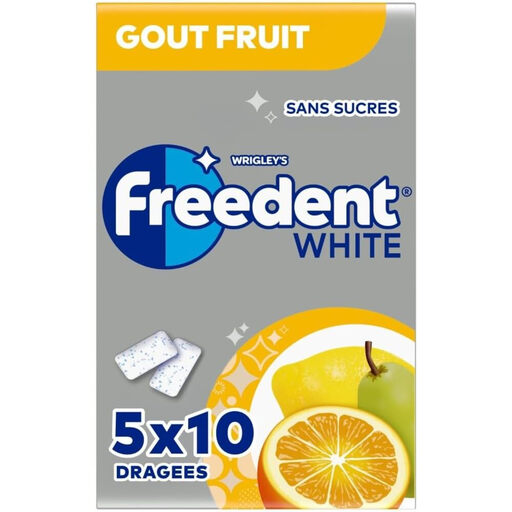 Image unavailable
The separate cases let you choose how many pieces to take for a freshen-up.
The pack contains five cases of ten pieces of sugar-free chewing gum, 70 g in total. Check the ingredients and carbohydrates per piece if you’re also planning your refuelling.
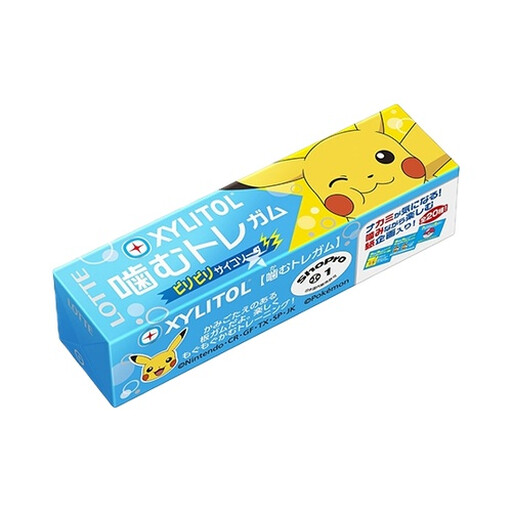 Image unavailable
This 26 g pack may suit you if your first consideration is how much you’ll be carrying.
Check the number and size of the pieces, along with the carbohydrates per serving if you’re thinking of including it in your refuelling plan.
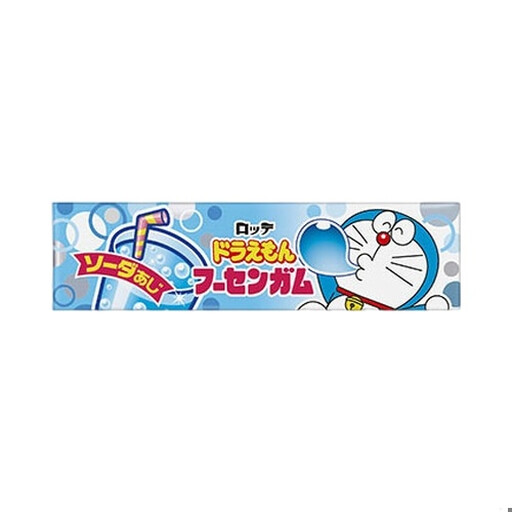 Image unavailable
Compare this 18 g pack if you want to limit the total amount of gum you take with you.
To assess a serving rather than the whole pack, check the number of pieces and the nutritional information per serving.
No. If you choose it to freshen up, don’t count it as carbohydrate fuel for prolonged exercise. Check the carbohydrates per serving in the food you plan to take on your ride, and keep chewing gum for its intended use.
Because excessive consumption of some chewing gums containing polyols may have a laxative effect, as noted in Auchan’s listing for Stimorol. Check the ingredients and warnings on the pack you choose, especially if you’re planning to have several pieces.
No. Gum presented as a food supplement comes with its own consumption guidance, which you should follow. Auchan’s listing for the ZOHI product states that adults can have up to four pieces a day; check the caffeine per piece too, and don’t apply this guidance to another product.
Add the caffeine in the gum to the caffeine in any other drinks and products you consume during the day. The European Food Safety Authority’s assessment of 400 mg a day, from all sources combined, applies to healthy adults. This is neither a recommended dose of gum nor guidance that’s appropriate for every individual circumstance.