Cyclists who take their own refreshments
For a longer ride, you’ll want something that’s easy to carry, open and eat, as well as a drink packed separately. Decathlon’s advice is to consider food and hydration together during exercise.


For a short to moderate ride, a pack of cereal bars can provide handy portions to take with you, provided you check their size, ingredients and allergens. For a longer ride, look instead at the usage guidance for products designed for exercise, how easy they are to eat on the bike and how well you tolerate them. In every case, pack a drink separately.
For a longer ride, you’ll want something that’s easy to carry, open and eat, as well as a drink packed separately. Decathlon’s advice is to consider food and hydration together during exercise.
For a short to moderate ride, or a snack before or after your journey, you’ll want to compare the number of bars, their individual weight and their ingredients before choosing a pack.
You’d rather read the ingredients and allergen information than rely solely on claims such as ‘energy’ or ‘protein’. If you plan to eat while riding, the texture and how well you tolerate the product matter too.
First, distinguish between a snack to take with you, fuel for your ride and something to eat after exercise. Decathlon presents cereal bars as an option for 1 h to 3 h of exercise, but this isn’t a one-size-fits-all rule for every cyclist.
| What matters | What to check | Who is it for? |
|---|---|---|
| Fuel for the length of your ride | Check the carbohydrates per portion and the recommended use on the packaging. | If my ride is a long one, I want to know what each bar provides and when to eat it. Around 36% of consumers put this need for fuel first. |
| Portability and tolerance | Check the individual packaging and allergens; try the texture in your usual conditions. | On my bike, I want to be able to take out and eat my portion without finding that the texture doesn’t suit me. Ease of handling and tolerance are the priority for around 29% of consumers. |
| After-ride use | Check the product’s stated use and compare carbohydrates and protein per portion. | If I’m looking for a bar to eat after a ride, I don’t want to confuse it with fuel for the journey. Around 14% of consumers prioritise this post-exercise use. |
| Pack size | Compare the number of bars, the total weight and the weight of each portion. | If I’m preparing for several rides, I need to know how many portions the pack actually contains. This is the main consideration for around 21% of consumers. |
These words don’t tell you how many carbohydrates there are per portion or when you’re meant to eat the bar.
Decide whether you’ll eat it before, during or after your ride, then check the nutritional information per portion and the usage guidance.
Two packs may contain different numbers of bars, and each bar may weigh a different amount.
Check the number of bars and their weight before deciding how many portions to take with you.
Depending on the recipe, a bar may contain nuts, peanuts, milk or cereals containing gluten, among other ingredients. The Directorate-General for Competition, Consumer Affairs and Fraud Control states that allergenic ingredients must be clearly highlighted.
Read the ingredients list and try the product in your usual conditions before relying on it for an important ride.
If you’re keeping a pack for several rides, it needs to remain easy to identify and properly packaged.
Check the date, storage instructions and condition of each wrapper before preparing your portions.
A range of snack bars to consider if you’re looking for a snack rather than a product specifically designed for cycling.
Carrefour France’s range lets you compare cereal bars with products carrying other usage guidance.
E.Leclerc offers cereal bars and Sport products within its ranges.
Decathlon offers several formats for sports activities, including cereal bars and other products to take with you.
This selection includes energy bars, a handy small format, a fruit and nut bar and a cereal snack bar. To put together portions to take on your bike, compare their formats and check the packaging of the product you choose.
 Image unavailable
Worth considering if you’re looking for energy bars to prepare several portions before a ride. The pack contains 12 bars of 68 g each; check that they’re individually wrapped if you plan to pack them with your cycling gear.
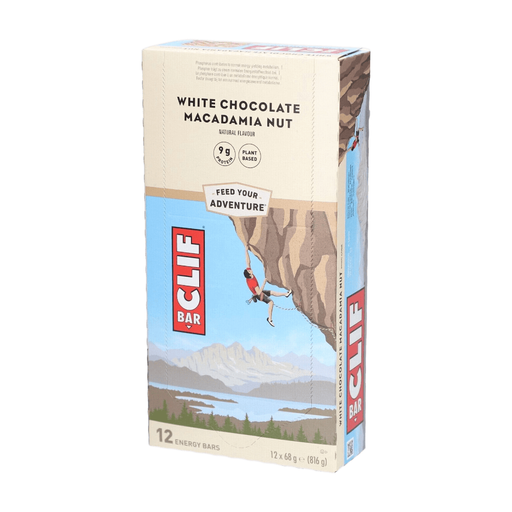 Image unavailable
Another energy bar recipe to compare if you’re preparing for several rides. The pack contains 12 bars of 68 g each; check the ingredients, particularly the nuts, and make sure each bar is wrapped before taking it with you.
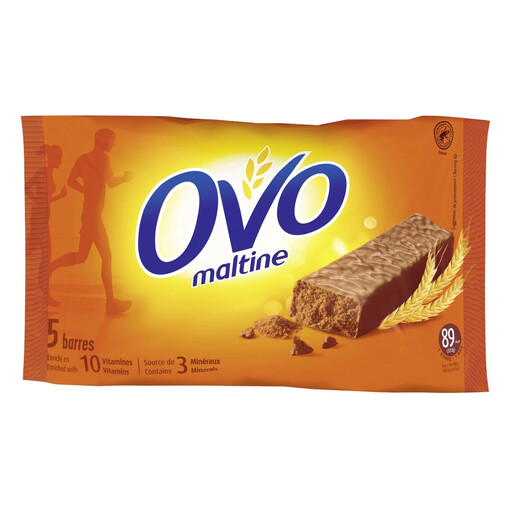 Image unavailable
The 20 g bar format may suit you if you’d like to pack smaller portions with your gear. The pack contains five bars; read the ingredients and nutritional information before choosing this format for your ride.
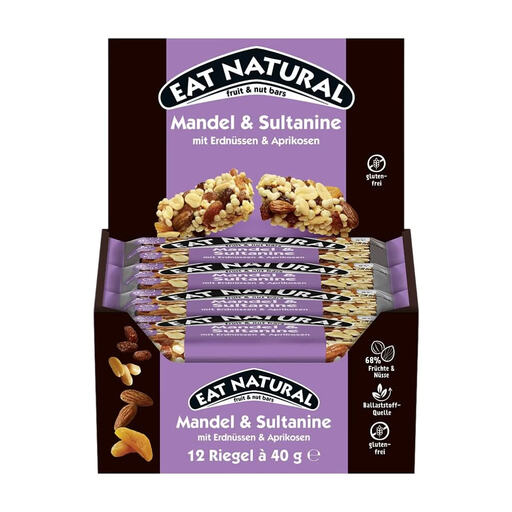 Image unavailable
Consider this fruit and nut bar as a snack to take with you, rather than confusing it with a cereal bar designed for exercise. It weighs 40 g; check the ingredients, particularly the nuts, if that’s important to your choice.
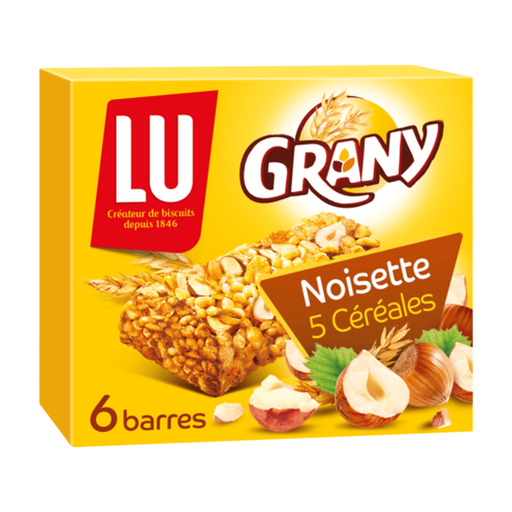 Image unavailable
A cereal snack bar to consider if you’re looking for something to take with you. The pack is listed as 125 g; check the number of bars, their packaging and individual weight to work out how to divide them between your rides.
No. Decathlon recommends considering hydration and carbohydrate intake together during exercise. If you take a bar, pack a drink suited to the conditions of your ride too.
Not necessarily. The length of your ride and when you plan to eat are both factors. Decathlon lists cereal bars as an option for 1 h to 3 h of exercise, not as essential kit for every journey.
Read the ingredients list for the product you’ve chosen. For pre-packed food sold in France, the Directorate-General for Competition, Consumer Affairs and Fraud Control states that allergenic ingredients must be clearly highlighted in the list.
A best-before date relates to the product’s quality. The Directorate-General for Competition, Consumer Affairs and Fraud Control says it may be passed if the packaging is intact, although the product’s quality may have changed. Check the exact date wording on the bar and follow its storage instructions.