For a chocolatey snack to take with you
You’re mainly looking for an individually wrapped portion to slip into a bag or pocket. The format matters, but it’s still worth checking the ingredients and allergens before you choose.


For a snack break on a cycling trip, choose according to your priority: a chocolate bar for a portioned treat, a chocolate cereal bar if you want to compare carbohydrate content, or a protein bar if you’re mainly looking for protein after exercise. Check the portion size, nutritional information and allergens for the specific product you choose. Nutri-Score, which Santé publique France says is optional, is no substitute for reading the label.
You’re mainly looking for an individually wrapped portion to slip into a bag or pocket. The format matters, but it’s still worth checking the ingredients and allergens before you choose.
You want to know how much carbohydrate and sugar is in the portion you’re taking with you. Don’t assume a chocolate or cereal bar is designed for sport just because of what its packaging says.
You’re prioritising a clearly stated protein content. Also check the full ingredient list, especially for polyols, sweeteners and potential allergens.
First decide whether your snack break is mainly about satisfying a chocolate craving, comparing carbohydrate content or getting more protein. Then check the label for the portion you’ve chosen.
| Criteria | What to check | Who is it for? |
|---|---|---|
| Carbohydrates | Carbohydrates, sugars and the weight of one bar; distinguish per-portion values from those per 100 g. | If I want to compare what I’m taking on my ride, the word “chocolate” alone doesn’t tell me how much carbohydrate is in my portion. Around 40% of consumers put this need to compare first. |
| Individual format | Weight of each bar, individual wrapping and storage instructions. | For a chocolatey snack on my own, I’m mainly looking for a portion that’s easy to take with me, without assuming it has a particular sporting function. Around 30% of consumers put this format first. |
| Protein | Protein per bar, followed by any polyols, sweeteners and allergens. | After exercise, I may be mainly looking for a clearly stated amount of protein, while also taking the recipe into account. Around 20% of consumers prioritise this declared protein content. |
| Ingredients | Ingredients list, allergens and nutritional information; check the Nutri-Score if it appears on the packaging. | If I need to avoid an ingredient or understand what’s in my bar, reading the label is essential. Around 10% of consumers put this check first. |
A format that’s easy to carry doesn’t, by itself, tell you what the recipe is designed for. Chocolate, cereal and protein bars have different nutritional compositions.
Start with your main need, then compare the portion size and ingredients of the specific product.
Santé publique France says displaying it is voluntary. If it is shown, it adds to the nutritional information but can’t, on its own, tell you which portion to choose for a ride.
Read the nutritional values and ingredients list as well.
The levy described by the Bulletin officiel des finances publiques applies to non-alcoholic drinks containing added sugars, not solid chocolate bars.
Compare the sugar content shown on the label when choosing a bar, without confusing it with a drinks tax criterion.
The chocolate and protein bar examples mentioned by E.Leclerc and Auchan contain different ingredients. Depending on the product, these may include milk, cereals, soya, peanuts or tree nuts.
Check the packaging for the flavour you’re buying. If certain ingredients don’t suit you, take your tolerance into account before taking a new bar on a ride.
Lindt France offers individually wrapped chocolate bars, including NOCCIO Lait Noisettes in 35 g.
The retailer offers, among other products, a GRAINEA chocolate and hazelnut cereal bar and a P’TIT DELI milk-filled chocolate bar.
Auchan offers a 55 g FULFIL chocolate and hazelnut protein bar.
Lidl France offers chocolate and chocolate bars, including milk-filled varieties.
This selection includes chocolate bars to portion out, a protein bar and products combining chocolate and cereal. Choose according to how you plan to use them, then check the label for the variant you buy.
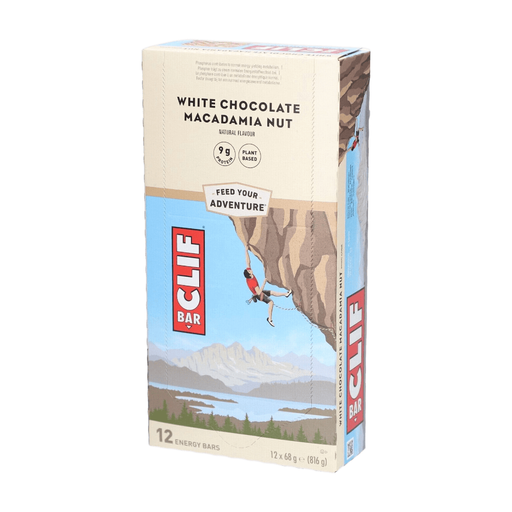 Image unavailable
Worth considering if you want to compare a white chocolate and macadamia nut bar for a ride. The pack contains 12 bars of 68 g. Check whether each one is individually wrapped, and review the recipe’s ingredients and allergens.
 Image unavailable
Worth considering if a protein bar after exercise is your priority. For this 55 g portion, compare the protein content with the other nutritional values, and check the packaging for polyols, sweeteners and allergens.
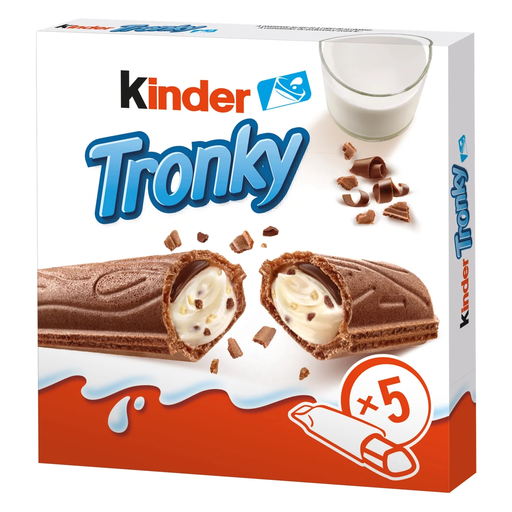 Image unavailable
Worth comparing for a chocolatey snack rather than a specific sporting goal. The stated total weight is 90 g. Check the weight of each piece and its nutritional values if you want to compare per portion.
 Image unavailable
A format to consider if you prefer to split a chocolatey snack into smaller pieces. Check the packaging for the sugar content of the portion you eat, along with the ingredients and allergens for your chosen flavour.
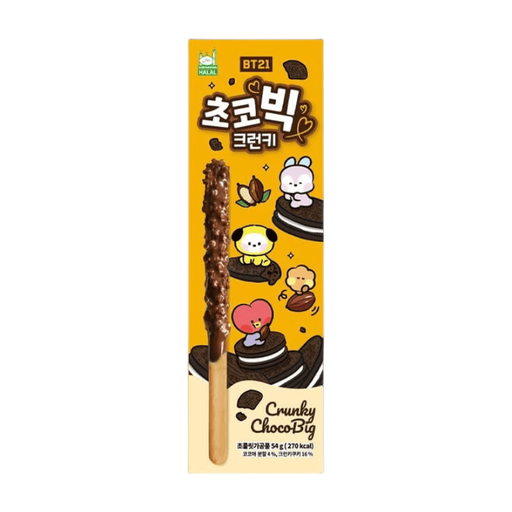 Image unavailable
Worth considering for a chocolatey snack if this 54 g format suits you. Read the nutritional values for the amount you’ll eat, and check the ingredients list and allergens before taking it with you.
No. The levy described by the Bulletin officiel des finances publiques applies to non-alcoholic drinks containing added sugars, subject to the conditions specific to those drinks, and not to solid bars. The sugar content shown on a bar is still worth checking when comparing products.
No. Santé publique France says producers display it voluntarily. Its absence alone doesn’t mean a bar fails to comply with regulations. Check the nutritional information and ingredients on the packaging.
First identify the category and portion weight, then compare the carbohydrates, sugars and other nutritional values on the same basis. For example, E.Leclerc lists 61,0 g of carbohydrates per 100 g for its GRAINEA chocolate and hazelnut cereal bar. This isn’t the value for a whole bar.
Read the label for the specific product and flavour you’ve bought. The European Food Safety Authority notes that allergens used as ingredients must be declared in the European Union. Depending on the recipe, ingredients to check include milk, soya, peanuts, tree nuts and cereals containing gluten.
Not necessarily. A protein bar is primarily for those looking for a stated protein content, which isn’t everyone’s main need during a snack break. If you’re thinking of taking one with you, also check the recipe for carbohydrates, polyols, sweeteners and allergens. Don’t assume it’s suitable just because it says “protein” on the packaging.