
Livraison le jour même ou le lendemain

Qualité garantie

Débloquez vos offres de bienvenue: Livraison GRATUITE | Jusqu'à -80 % | 30 jours d'essai gratuits à JoyPlus
Téléchargez l'application
Choosing a cycle and sports helmet isn't just about looks. Once you start comparing sizes, safety standards, ventilation and accessories, the differences between models become clear. Children's helmets, urban models with LED lights, mountain bike versions with visors or modular motorcycle helmets – each one is designed for a very specific purpose.
In the UK, certain mistakes crop up time and again when buying:
Here are the criteria to consider before placing your order, along with a selection organised by different user profiles.
For cycling, rollerblading, skateboarding and non-motorised scooters, look for the EN 1078 mark. This standard covers helmets for cyclists, rollerbladers, skateboarders and similar equipment users. However, it doesn't mean one helmet suits all activities: a model designed for cycling is not approved for motorcycling.
For a modular motorcycle helmet, check instead for ECE 22.06 approval, often shown as ECE R 22.06. This standard applies to motorcycle helmets. Even a full-coverage cycle helmet with a visor cannot replace an approved motorcycle helmet.
Marketing claims like "reinforced safety" should be taken with a pinch of salt. It's far better to check the standard, the intended use and the manufacturer's instructions than to rely on promotional language alone.
Measure your head circumference using a soft tape measure, keeping it level, about one to two centimetres above your eyebrows. Then compare your measurement with the product's size chart.
An adult cycle helmet might, for example, cover a range of 54 to 58 cm or 56 to 61 cm. Sizes vary from brand to brand, so don't rely solely on S, M or L labels. For a children's cycle helmet, a rear adjustment system and a well-positioned strap allow for a more precise fit, while accommodating the child's growth.
Once adjusted, the helmet should sit level, not tilt backwards and not move when you gently shake your head. The buckle must fasten without restricting breathing or rubbing excessively under the chin.
A well-adjusted, properly ventilated helmet is far more pleasant to wear every day. However, the number of vents alone isn't enough to judge comfort: also look at the inner shape, removable padding and the tightening system.
For urban journeys, a helmet with an LED light can improve your visibility to other road users. It does not replace the bike's mandatory lighting or reflective gear. A visor can protect against wind, light rain or spray, but it isn't necessarily a shield against projectiles.
For mountain biking, a removable visor and more extensive coverage at the sides and back can be welcome. A model featuring a MIPS system is designed to help reduce certain rotational forces during some impacts, depending on the manufacturer's design. This doesn't remove the need for a precise fit or careful riding.
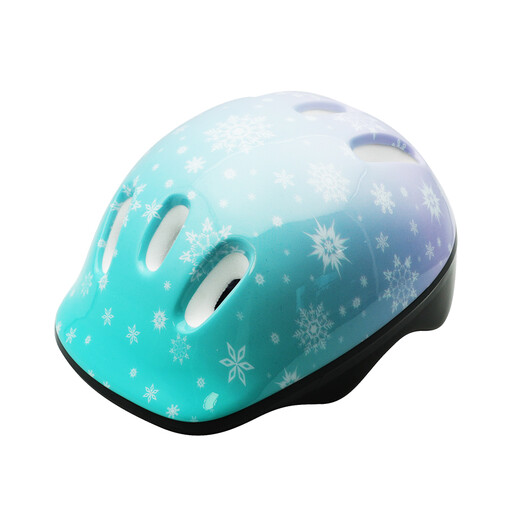
Why this choice suits this profile: This children's helmet is ideal for first outings on a bike, rollerblades or scooter. Its adjustment system makes it easier to tailor the fit to a young user's head circumference.
The size S and built-in adjuster prevent you from choosing a model that's too big based purely on age. The helmet is stated as tested to EN 1078 for cycling and wheeled sports.
PVC outer shell, EPS inner foam, padding and adjustment system. The model is stated as suitable for cycling, rollerblading and wheeled activities.
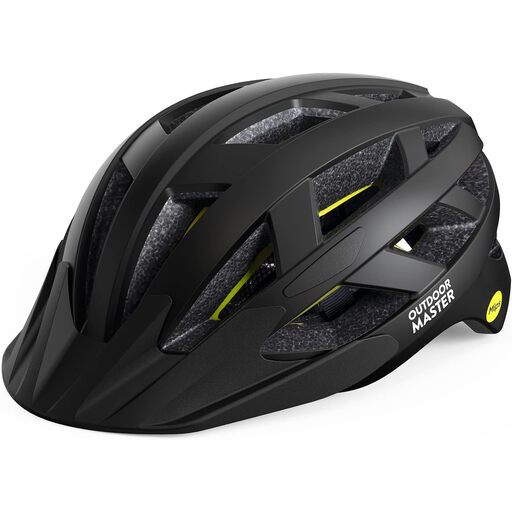
Why this choice suits this profile: This adult cycle helmet is aimed at riders who want precise adjustment and a versatile piece of kit for the road, BMX, mountain biking or rollerblading.
The presence of the MIPS system is clearly stated. The helmet also has two removable liners and a dial adjuster, making it easier to adapt to your head circumference.
25 ventilation openings, removable visor, PC shell and EPS foam. The manufacturer states multi-sport use, including mountain biking and road cycling.
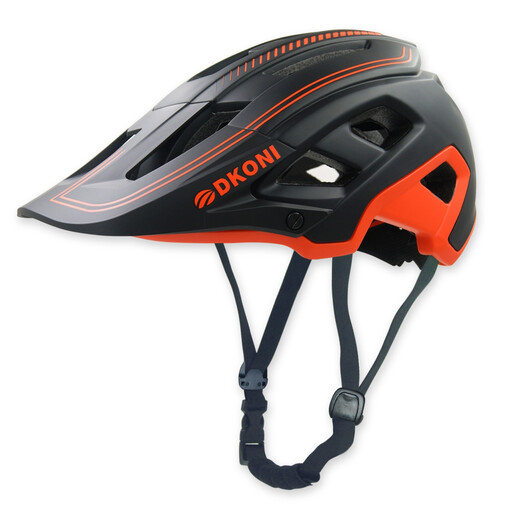
Why this choice suits this profile: This mountain bike helmet is suitable for long rides and terrain exposed to sun, light rain, mud or branches.
The ABS visor is removable and the adjustment can be done one-handed using a dial. This avoids having to buy several accessories for off-road rides.
17 ventilation openings, stated weight of 380 g and two sizes available: M, 54 to 58 cm, or L, 56 to 61 cm. The product is described with a PC shell, EPS foam and removable padding.
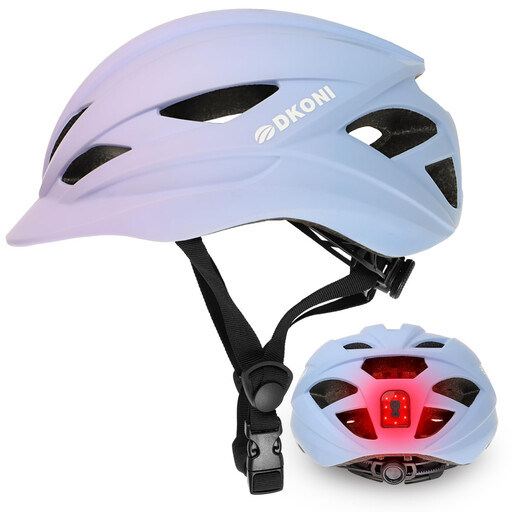
Why this choice suits this profile: This urban helmet is designed for daily bike commutes, especially when light levels drop in the early morning or late afternoon.
The rear light is removable and rechargeable via USB. This means it can be taken off for charging or cleaning, without being confused with the bike's mandatory lighting.
15 ventilation openings, PC shell, EPS foam and two stated size ranges: 55–58 cm and approximately 58–61 cm depending on the version.
We've compiled a comprehensive, real-time selection of products that meet these demanding criteria and European safety regulations.
A modular motorcycle helmet must be chosen separately from a helmet intended for non-motorised sports. The MY 935 and MY 936 models in the selection display the ECE R 22.06 mark on their product page, along with an ABS shell, EPS foam and sizes generally ranging from XS to XXL depending on the version.
The MY 935 features a dual visor and a space designed for an intercom. The MY 936 has an internal sun visor as well as a removable, washable liner. Before you hit the road, always check the size, fastening system, the approval stated on the product and the conditions of use.
Clean the shell and padding with a damp cloth and mild soap. Avoid solvents, immersion and exposure to high temperatures. Regularly inspect the straps, buckle, padding and shell.
After a significant impact, replace the helmet, even if no cracks are visible. The inner foam may have been compressed without it being obvious. An ageing, deformed helmet or one with damaged retention components should not be kept just to avoid buying a new one.
Measure your head circumference, then refer to the manufacturer's size chart. Once adjusted, the helmet should feel stable, sit level and have the straps forming a "V" shape around your ears. The buckle must be fastened before every ride.
EN 1078 applies to cycle, rollerblade and skateboard helmets, among others. ECE 22.06 applies to helmets intended for motorcyclists. These standards cover different uses: a cycle helmet must not be used for motorcycling.
After a significant impact, yes. The shell may look intact while the impact-absorbing foam has been damaged. Also replace the helmet if the straps, buckle or adjustment system no longer work properly.