
Livraison le jour même ou le lendemain

Qualité garantie

Débloquez vos offres de bienvenue: Livraison GRATUITE | Jusqu'à -80 % | 30 jours d'essai gratuits à JoyPlus
Téléchargez l'application
A cycle helmet isn’t just about colour or price. Whether you’re a commuter, a mountain biker, a BMX rider or a road cyclist, what really matters is a secure fit, good ventilation and a level of protection suited to how you ride. In the UK, children under 12 must wear a helmet when cycling, whether they’re riding or being carried as a passenger.
That said, some marketing claims deserve a closer look.
A lightweight cycle helmet is easy to forget on daily rides, but its weight alone doesn’t tell you how well it’s built. Always check for a hard outer shell, impact-absorbing foam, an effective adjustment system and the required safety mark. A very light helmet that doesn’t fit properly can shift during your ride and lose its effectiveness.
Sizes like “M” and “L” don’t mean the same thing from one brand to another. Measure your head circumference with a soft tape measure, keeping it level just above your eyebrows and ears. The helmet should stay firmly in place without squeezing your skull. A rear dial and properly positioned side straps are often more useful than a long list of extras.
An integrated rear light can improve visibility in town or on rides at dusk, but it doesn’t replace your bike’s mandatory lighting. On the other hand, a full-face mountain bike helmet offers more coverage for your face and chin, but is generally heavier than a road helmet – so it’s not necessarily ideal for the daily commute.
An adjustable helmet should cover your forehead without slipping down over your eyes. The strap should form a “V” shape around your ears, with just a little space under your chin. For a child, check the fit at the start of each season – growth can make a helmet too tight in just a few months.
Ventilation matters too. Models with plenty of channels let air flow through, which makes a real difference on climbs, in summer heat or on long rides. Removable, washable pads also make maintenance much easier.
Helmets that combine a polycarbonate (PC) or ABS shell with EPS or EPP foam are very common. These materials do different jobs: the shell protects the outside of the helmet, while the foam is designed to absorb some of the energy from an impact.
When buying in the UK, look for the CE mark and details of the relevant standard – especially EN 1078 for helmets used for cycling, skateboarding and rollerblading. Any claimed certification should be verifiable on the product page or packaging. CPSC or ASTM references quoted by some manufacturers are foreign standards – they don’t replace the need to check compliance with European requirements.
A MIPS cycle helmet includes a layer designed to help manage rotational forces in an angled impact. This technology can appeal to cyclists looking for extra protection, but it doesn’t replace a proper fit or the need to replace the helmet after a significant impact.
A visor protects your eyes from the sun, spray and light rain. A rear LED light with multiple modes improves your visibility, especially on poorly lit streets. It’s still an extra – make sure you also use the lights and reflectors fitted to your bike.
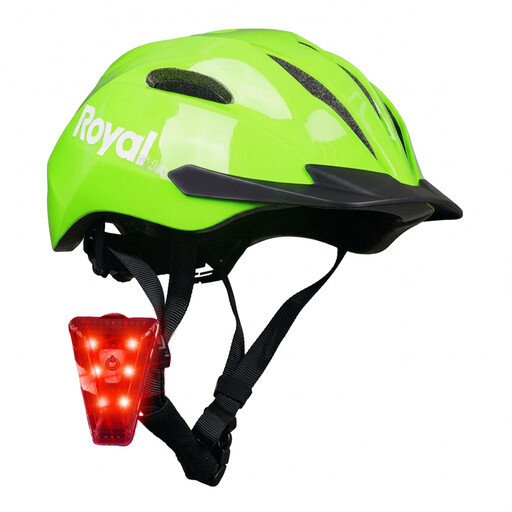
Why this choice suits this profile: With a claimed weight of 250 g, a washable liner and an adjustment system designed for children aged 5 to 13, this children’s cycle helmet is ideal for family outings, balance bikes and scooters.
The six-LED rear light with three modes addresses a common oversight: poor visibility. The removable liner, meanwhile, makes cleaning simple.
PC shell and EPS foam, integrated visor, vents and ITW buckle as stated on the product page.

Why this choice suits this profile: Its size M, stated for a head circumference of 55 to 59 cm, and rear adjustment system suit an adult who mixes road cycling, urban commutes and leisure rides.
Its 25 vents and washable pads tackle the two classic drawbacks of multi-purpose helmets: heat and fiddly maintenance.
Claimed MIPS technology, PC shell with EPS foam, removable visor and two liner thicknesses.
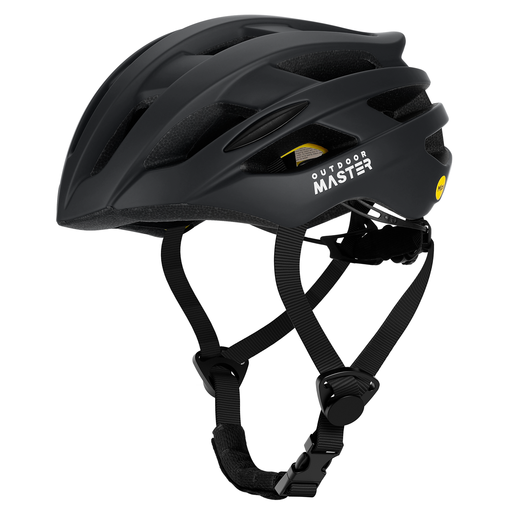
Why this choice suits this profile: This MIPS model is aimed at regular cyclists who want a precise fit, effective ventilation and versatility.
The product page mentions a rear dial, adjustable straps and a removable visor – all features that help you avoid choosing a helmet based on looks alone.
25 ventilation channels, washable liners, PC shell and EPS foam, with MIPS technology as stated by the manufacturer.
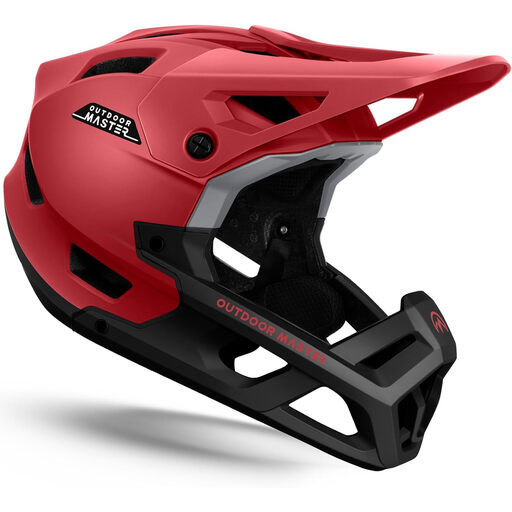
Why this choice suits this profile: Its full-face design targets downhill, BMX and serious mountain biking, where chin and face protection matter more than compactness.
Its 27 ventilation channels and removable liner reduce the discomfort often associated with full-face helmets, without making it as light as a road model.
ABS shell, EPP liner, padded chin strap, pivoting visor and claimed weight under 750 g.
We’ve put together a full, real-time updated list of products that meet these selection criteria as well as European safety requirements.
Clean the shell with a damp cloth and mild soap. Removable pads can be washed according to the manufacturer’s instructions, then air-dried completely. Avoid solvents, intense heat sources and any modification to the structure.
Replace the helmet after a significant impact, even if no cracks are visible. For a regularly used model, check the replacement period recommended by the manufacturer – some suggest three to five years under normal use. A waterproof bike frame bag can complete your setup for carrying a spare inner tube, pump, phone and a few tools without filling your pockets.
Measure your head circumference, check the centimetre range given by the manufacturer, then adjust the dial and straps. The helmet should sit level, cover your forehead and not move when you gently shake your head.
After a significant impact, it’s best to replace the helmet even if there’s no visible damage. For normal use, follow the lifespan stated in the instructions and regularly inspect the shell, foam, straps and buckles.
MIPS adds an interesting design feature, but it doesn’t replace a correct fit, the required safety mark or a properly fastened helmet. For a gentle urban commute, fit, visibility and comfort remain the top priorities.