
Livraison le jour même ou le lendemain

Qualité garantie

Débloquez vos offres de bienvenue: Livraison GRATUITE | Jusqu'à -80 % | 30 jours d'essai gratuits à JoyPlus
Téléchargez l'application
Choosing a cutting tool can seem straightforward… until a branch splits instead of being cleanly cut, the blade snags, or the handle becomes uncomfortable to hold. For amateur gardeners, DIY enthusiasts and home cooks equipping their kitchen, the real risk is buying a model that looks good on paper but is poorly suited to the intended task.
The family of cutting tools includes a wide range of products: garden secateurs, loppers, garden shears, hedge shears, filling knives, cordless circular saws and manual potato cutters. Here are the criteria to examine to avoid unpleasant surprises.
A cutting capacity expressed in millimetres does not mean the tool is suitable for all branches or all materials. A small pair of secateurs will be comfortable on soft stems and thin twigs, whereas a lopper is designed to generate more force on thicker branches.
Before choosing, be sure to check:
Using a tool beyond its capacity can deform the blade, damage the mechanism and increase the risk of injury.
Not all steels offer the same properties. A stainless steel blade generally resists moisture better and is easier to maintain, whether in the garden or the kitchen. Other grades, such as SK-5 or 420, are chosen for their rigidity, sharpness or flexibility, depending on the tool's design.
However, the blade's composition alone is not enough to judge its lifespan. The coating, its thickness, the quality of the pivot assembly and the ease of cleaning all play an important role too.
A handle that is too thin, slippery or poorly suited to your hand can make repetitive cutting tiring very quickly. For a gardening tool, choose a non-slip grip, an opening that fits your hand and a weight you can comfortably manage.
Balance matters just as much for DIY tools. A cordless circular saw must remain stable during cutting, while a filling knife needs to allow you to control the working angle precisely.
The "bypass" mechanism, made up of two blades that cross each other, is generally suitable for live stems and branches. It gives a clean cut as long as the diameter stays within the stated limits. A compact pair of garden secateurs will be suitable for roses, bonsai and small branches. For shrubs or thicker branches, a lopper with long handles will reduce the effort required.
For hedges, garden shears and hedge shears should mainly be chosen based on blade length, weight and handle comfort. After each use, remove sap and debris, dry the blades, then occasionally apply a drop of light oil to the pivot.
Before buying a DIY tool, focus on the features that will have a real impact:
A saw described as cordless may be sold without a battery or charger. If you do not already own a compatible battery, this detail can significantly affect the total cost.
For kitchen knives, consider the blade material, ease of cleaning and grip. A manual potato cutter must have a stable handle and a grid suited to the size of chips you want. Removable parts are practical, provided they can be cleaned without leaving residue in the corners.
The PLYS New Large Size 430 Stainless Steel Potato Cutter features a 430 stainless steel blade and a green non-slip handle. Check its product page for dimensions and care instructions before purchasing.
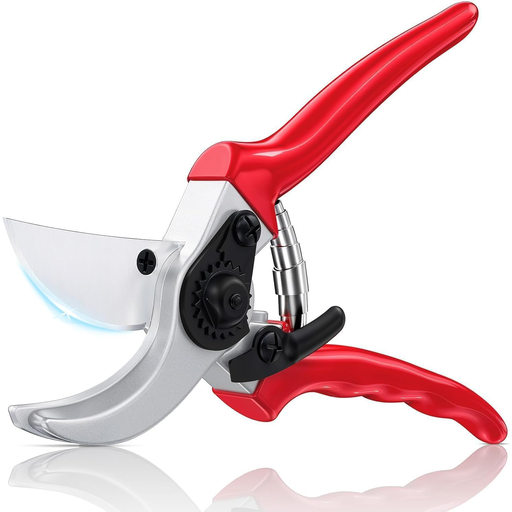
Why this choice suits this profile: This model is suitable for first jobs on roses, shrubs, fruit trees and bonsai, with a stated capacity of up to 25 mm.
The stated capacity helps you avoid using it on branches that are too thick or too hard.
SK-5 steel blade and aluminium handle with a non-slip coating.
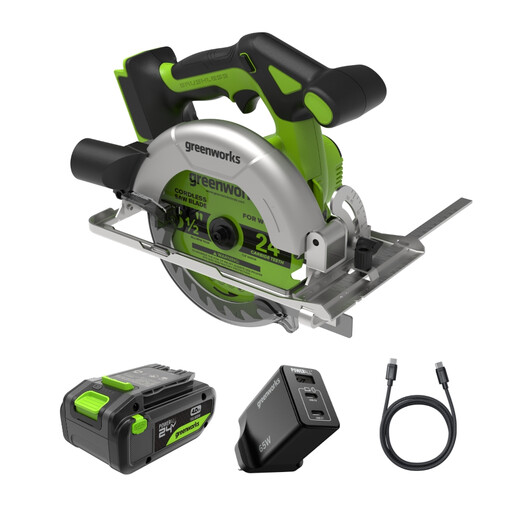
Why this choice suits this profile: This saw is aimed at woodworking, renovation and furniture-making projects that require straight or angled cuts.
The product page clearly states that the battery and charger are not included, so you can budget for the real cost.
165 mm carbide-tipped blade, maximum depth of 57 mm at 90° and bevel adjustment from 0 to 45°.
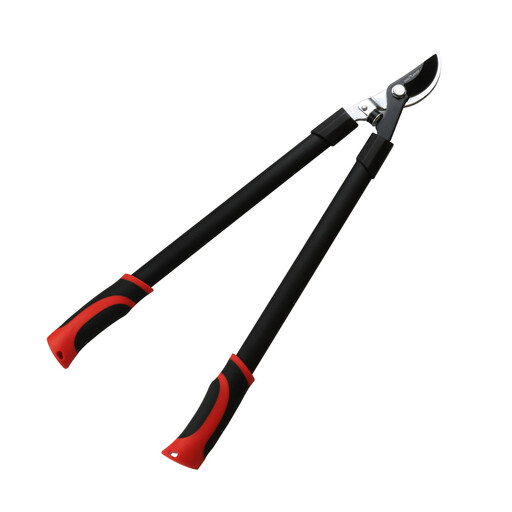
Why this choice suits this profile: Its long handles and stated capacity of 1.25 inches, approximately 32 mm, make it ideal for repeated work on bushes, hedges and shrubs.
The cutting capacity is clearly stated: you cannot forget not to exceed the mechanism's limits.
SK-5 blade, reinforced iron tube handles and polymer grips designed for a firm hold.
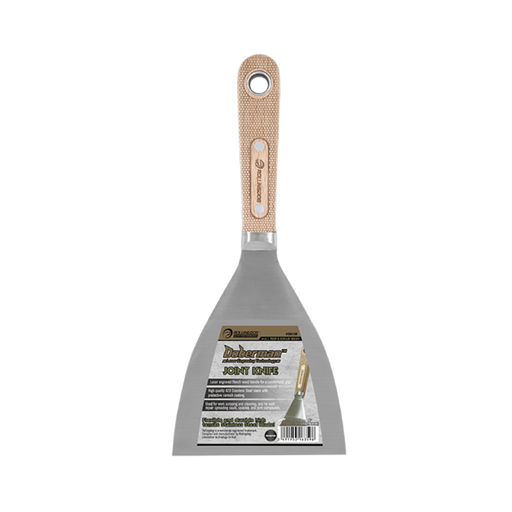
Why this choice suits this profile: This 101.6 mm filling knife is intended for plasterboard joints, applying filler and plaster, and wall repairs.
Its use is clearly limited to finishing work. So you should not confuse it with a kitchen knife or a power tool.
Flexible 420 stainless steel blade with protective coating and a beechwood handle.
A cutting tool will stay reliable for longer if its maintenance respects its design:
With a circular saw, remove the battery before any blade change or cleaning. Wear safety glasses, hearing protection and a mask suitable for the dust generated. With a filling knife, work with the blade pointing away from your body and wear respiratory protection when the products you are using require it.
A pair of garden secateurs or shears with a stated capacity of at least 25 mm can be suitable, depending on the type and condition of the branch. For repeated cuts or tougher branches, a lopper with long handles will generally require less effort.
Remove sap and residue, dry the blade thoroughly, then apply a thin layer of suitable oil to the metal parts and the pivot. An anti-corrosion coating can simplify maintenance, but it does not replace cleaning or storing the tool in a dry place.
Not always. Some models, like the Greenworks 24V featured here, are sold without a battery or charger. Check the list of components and compatibility with your existing battery system before finalising your purchase.