
Livraison le jour même ou le lendemain

Qualité garantie

Débloquez vos offres de bienvenue: Livraison GRATUITE | Jusqu'à -80 % | 30 jours d'essai gratuits à JoyPlus
Téléchargez l'application
From a cordless grass trimmer to a hot-wire cutter for polystyrene, wire stripper or cordless electric scissors, versatile cutting tools are designed for very different jobs. The risk is buying a tool described as “multi-purpose” when it’s only really effective for one specific task.
To avoid unnecessary purchases, compare the power source, the accessories actually included, the cutting capacity and the safety features. Here are the criteria to check before you decide.
A tool supplied with several blades won’t necessarily cut every material. A plastic blade may be suitable for soft grass but too fragile for brambles or small branches. Similarly, a hot-wire cutter designed for EPS or EPP shouldn’t be used on dense rubber, metal or thick boards.
The product listing should specify the compatible materials, the maximum diameter or thickness it can handle, and the accessories included.
Higher power doesn’t guarantee a cleaner cut. For a garden tool, motor torque, blade type and battery life also play a crucial role. With a 21 V electric brushcutter, two batteries may be more convenient than one of the same capacity: simply switch to the second while the first recharges.
For a hot-wire cutter, the temperature range, heat-up time and heat dissipation are often more useful to compare than the wattage alone.
A lightweight tool that’s poorly balanced can quickly become uncomfortable to use. Check the handle length, telescopic adjustment, position of the auxiliary handle and whether it has a safety lock.
For cutting tools intended for DIY, also check the guards, any goggles or gloves supplied, the safety button and how the blades are stored. Supplied protective equipment doesn’t replace reading the instructions or taking the right precautions for the material you’re working with.
Cordless models give you real freedom of movement in the garden, workshop or on site. Compare the following in particular:
A 2.0 Ah battery may be enough for occasional jobs, while a higher capacity means fewer interruptions. It all depends, however, on the motor and the material being cut.
A good kit should include accessories that are genuinely suited to the advertised use. For a cordless grass trimmer, look for a head for soft grass, a metal blade for weeds and an attachment compatible with small branches if that function is included.
For wiring, a wire stripper should specify the wire gauges it can handle. A cable cutter designed for metal cables or brake cables isn’t a substitute for a wire stripper. Check the maximum capacity, jaw material and depth adjustment separately.
A hot-wire cutter for polystyrene may come with a U-shaped wire, straight blade, engraving tip or several interchangeable attachments. Adjustable temperature lets you tailor the heat to EPS, EPP, EVA, PU or model-making boards, but you’ll need to work gradually.
A model rated up to 600 °C must be handled with care, placed on a stable surface and used in a well-ventilated area. For model-makers, a fast-heating USB-C tool may be more convenient than a powerful mains-powered model, especially for small cuts.
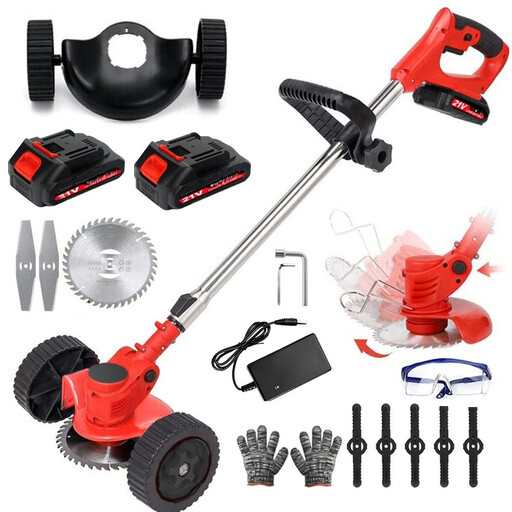
Why it suits this user: This kit is aimed at people who look after a small lawn, borders or flower beds without wanting to accumulate lots of different tools. The removable wheels can also make it easier to guide when trimming close to the ground.
The listing includes two 2 000 mAh batteries and three cutting attachments. It’s still essential to use each attachment only with the material it’s designed for.
Two batteries, removable wheels, a motor advertised as copper and attachments for grass, weeds and small branches.
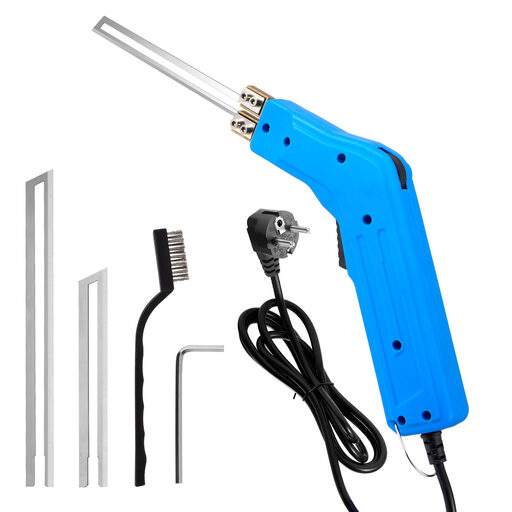
Why it suits this user: Regular makers of models, signs or foam creations will appreciate the graduated temperature control and the 10 and 15 cm straight blades.
The 0 to 600 °C dial lets you adjust the heat to suit the material, while the overheating protection helps reduce risks during prolonged use.
Advertised power of 300 W, heats up in seconds according to the listing, two straight blades and a heat-dissipation system.
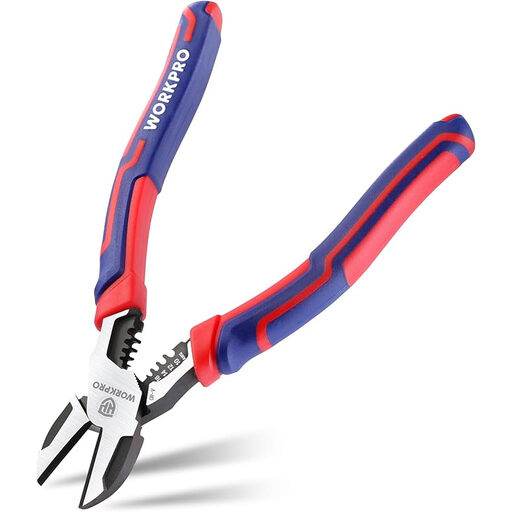
Why it suits this user: This wire stripper is designed for electricians, technicians and DIYers who switch between preparing wires and cutting conductors.
The stated stripping capacities are for 10, 12, 14 and 16 AWG wires. Check compatibility before starting work.
Side-cutting and wire-stripping functions, chrome vanadium steel, TPR handle and a stated capacity of up to 2,0 mm for hard wires.
We’ve compiled a complete, regularly updated list of products that genuinely meet these demanding selection criteria and European safety standards.
It depends on battery capacity, the material being cut, the resistance encountered and the motor speed. Two batteries let you work for longer, but the stated battery life is only a guide. If you’ll use the tool regularly, also check the price and availability of replacement batteries.
Unplug the tool or remove its battery before carrying out any maintenance. Let the wires and blades cool, then remove any residue with the recommended brush or cloth. For a garden tool, clean the cutting parts, check the guards and store the batteries in a dry place away from any heat source.
No. Versatility usually means the tool has several accessories or functions specified by the manufacturer, not that it can be used without limits. Follow the instructions on materials, dimensions, temperatures and capacities. If in doubt, choose a tool designed specifically for the job.