
Livraison le jour même ou le lendemain

Qualité garantie

Débloquez vos offres de bienvenue: Livraison GRATUITE | Jusqu'à -80 % | 30 jours d'essai gratuits à JoyPlus
Téléchargez l'application
Looking to personalise a greeting card, elevate a photo album, or create one-of-a-kind decorations? It takes creativity, but also the right tools. For achieving flawless cuts and intricate designs impossible to get with scissors, cutting dies are your best allies. But with a jungle of shapes, sizes, and brands to navigate, making a choice can quickly become overwhelming.
This guide is here to help. As a Joybuy product expert, I'll share my advice and a curated selection of products to help you choose the ideal cutting dies for your scrapbooking and card making projects, without drowning you in technical jargon.
Before diving into our selection, let's review a few key points to ensure you make the right choice and guarantee your projects are a success.
This is the number one criterion: the compatibility of the cutting die with your machine. Most thin metal dies are universal and work with the most common manual die-cutting machines (Sizzix, Artemio, etc.). However, always remember to check the die's dimensions against your machine's opening width. The cut is made by creating a "sandwich" of plates, the composition of which varies from one machine to another; refer to your equipment's manual to find the correct combination.
Metal dies are popular for their durability and the precision of their cuts. The choice of design, however, depends entirely on your project:
Some dies aren't just for cutting. They can also be used for paper embossing. This technique allows you to create a raised pattern on the paper without cutting through it. By using a silicone embossing mat with your die, you can easily add texture and depth to your projects. It's a clever feature that multiplies the creative possibilities of a single tool!
Here are a few gems we've selected for their versatility and creative potential.
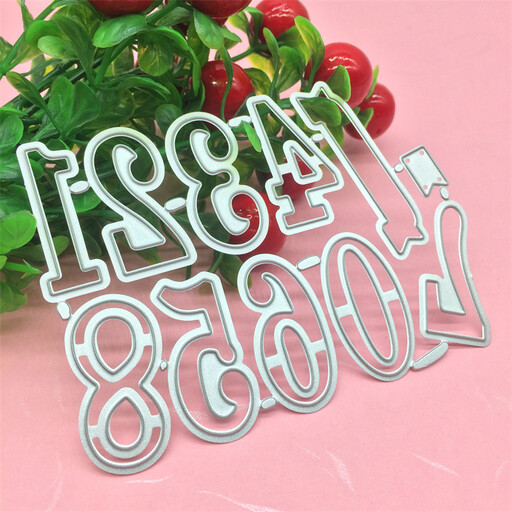
Its standout feature: An ultra-comprehensive kit. With 26 capital letters and 10 numbers, it gives you complete freedom to compose custom titles, dates, or messages.
Advantages:
Who is it for? This is a must-have for scrapbooking enthusiasts who love to caption their memories, as well as for anyone wanting to add a unique message to their greeting cards.
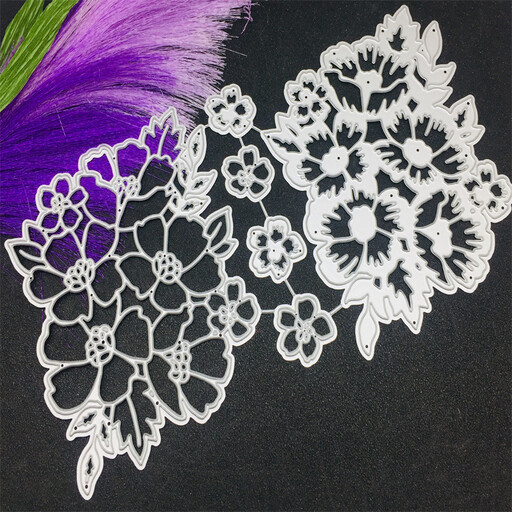
What makes it special: This kit stands out with its designs made for layering. By cutting the different pieces from various coloured papers, you can assemble flowers in relief with a striking depth effect.
Advantages:
Who is it for? Ideal for crafters who love botanical themes and want to bring a sophisticated, textured dimension to their projects. An excellent choice for wedding, thank you, or spring-themed cards.
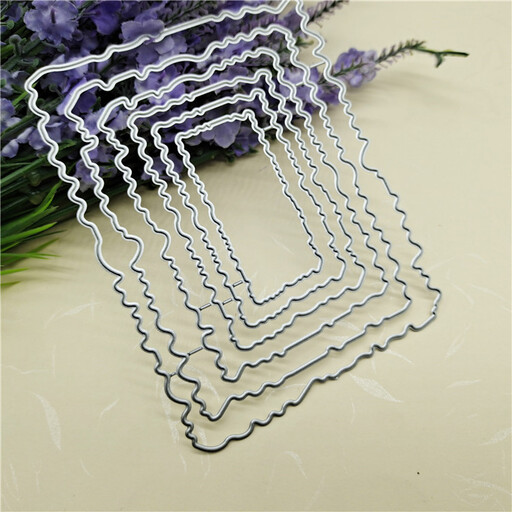
Its key strength: Its simplicity and versatility make it an absolute basic. The different-sized frames nest together, allowing you to create backgrounds, windows, or borders with incredible ease.
Advantages:
Who is it for? This set is perfect for beginners looking to build an essential toolkit, as well as for experts who need a solid base to structure their layouts.
Our selection highlights versatile tools, but the world of papercraft is endless. If you're looking for specific designs for a wedding, a new baby, a seasonal holiday, or simply a unique die, a multitude of other possibilities are available to you.
Explore our complete collection of card cutting tools to find the die that will bring your next project to life.
Most thin metal dies are compatible with popular manual die-cutting machines (Sizzix, Artemio, We R Memory Keepers, etc.). However, it's always advisable to check the maximum width your machine accepts and consult its user manual for the recommended plate combination (the famous "sandwich").
The process is very simple. Place your first cutting plate, position the die (cutting edge facing up), add your paper, and then cover it with the second plate. Then, simply run this assembly through your machine by turning the crank. For very intricate designs, one or two extra passes may be necessary for a perfect result.
In the crafting world, these terms are often used interchangeably. "Die" is the standard industry term for a cutting matrix. The term "cutting punch" can also refer to a die, although it sometimes describes a manual punching tool used without a machine. In the context of die-cutting machines, "die" is the most common and accurate term for the metal tool used to cut paper.