
Livraison le jour même ou le lendemain

Qualité garantie

Débloquez vos offres de bienvenue: Livraison GRATUITE | Jusqu'à -80 % | 30 jours d'essai gratuits à JoyPlus
Téléchargez l'application
For any crafting enthusiast, cutting dies are the magic tool that transforms a simple sheet of paper into a small work of art. Card making, scrapbooking, custom invitations… these metal plates multiply your creative possibilities. The problem? The market is saturated, and it's all too easy to end up with disappointing dies, destined to gather dust in the back of a drawer.
As a Product Expert at Joybuy, my mission is to help you see things more clearly. Let's forget the marketing jargon and get down to specifics. Here are the pitfalls to avoid and the real criteria for choosing cutting dies that won't let you down.
The creative hobbies market is full of tempting products, but disappointment is often just around the corner. Here are the two most common issues.
For flawless cuts and dies that last, there are only two technical criteria to examine closely before you check out.
For a scrapbooking cutting die, the absolute gold standard is carbon steel. It's the only material that offers a perfect balance of hardness and fineness.
Make sure the product description explicitly mentions "carbon steel." It's the best guarantee of durability and precision.
Compatibility isn't just about the width of the die. Its thickness is just as crucial. Most dies are designed for standard machines on the market (Sizzix, Big Shot, Cuttlebug, etc.). However, for complex cuts or for paper embossing, a standardized and uniform thickness is essential. A well-made die guarantees even pressure across the entire paper, which prevents areas that are poorly cut or merely scored.
Rather than an endless list, here are three models that meet specific needs, all while ticking all the quality boxes we've just discussed.
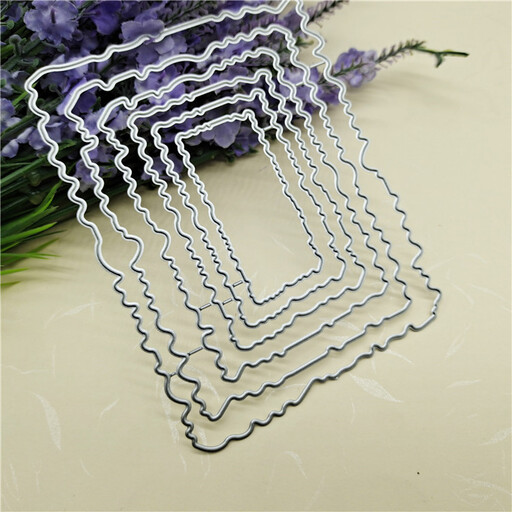
Why it's a great choice: To get started, nothing beats investing in ultra-versatile basic shapes. This frame set allows you to create card backgrounds, windows, or tags of all sizes. A must-have for mastering the basics before tackling more complex designs.
With its simple shapes, it's impossible to fall into the trap of tearing details. The cut is clean, easy, and the result is flawless every time, even for beginners.
Unbeatable versatility. These frames adapt to almost any card-making or scrapbooking project, regardless of the theme or occasion.
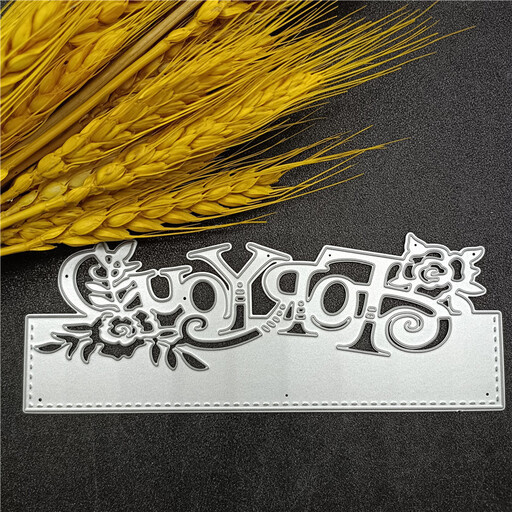
Why it's a great choice: For those who love intricacy and elegance, this detailed border is a superb investment. It's perfect for wedding cards, chic invitations, or for embellishing the edge of an album page.
Thanks to its carbon steel construction, even the finest lace details cut without a snag. It avoids the "complex but unusable design" trap by focusing entirely on material quality.
It provides a professional and sophisticated finish in a single pass through the machine. The effort-to-effect ratio is simply stunning.
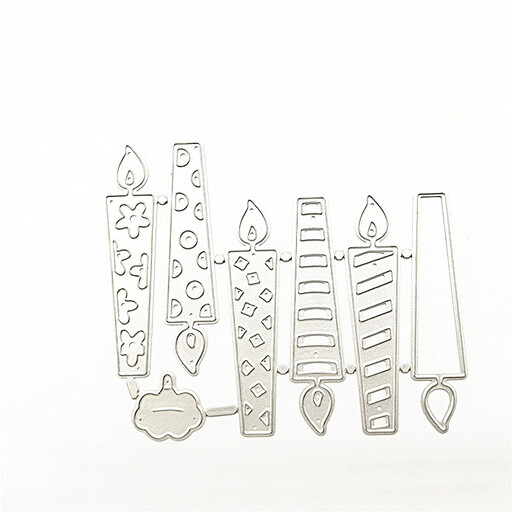
Why it's a great choice: Do you often make birthday cards? A themed die like this is a phenomenal time-saver. It combines text and motifs (the candles) to create a festive card in the blink of an eye.
By focusing on a single theme with clear shapes, it avoids the "false versatility" trap. It does one thing, but it does it perfectly, with a consistently clean cut.
Incredibly efficient. It allows you to batch-produce birthday cards with a consistently professional look. Ideal for preparing invitations in bulk or for creators who sell their work.
Explore our complete selection of dies, all rigorously vetted against our quality criteria.
Finally, here are clear answers to the questions you're probably asking.
Most dies are compatible with standard machines (with an opening of about 6 inches / 15 cm), like the Sizzix Big Shot. The crucial point to check is the width of the die: if it's smaller than your machine's opening, you're good to go! You'll just need to adjust your stack of plates (the famous "sandwich") according to your machine manufacturer's recommendations.
Absolutely. To achieve paper embossing (a raised effect), simply replace your bottom cutting plate with a rubber or silicone embossing mat. This way, the die will press the paper into the soft mat instead of cutting it, creating a beautiful raised design. Be sure to consult your machine's manual to find the exact "sandwich" combination for embossing.
It's very simple. After each session, use a small brush or a pointed tool to gently dislodge any stuck paper bits. Most importantly, never force or bend the die. For storage, the best method is to store them flat on magnetic sheets to prevent them from warping and to ensure you don't lose any small pieces. A well-maintained carbon steel die will be a creative companion for years to come.