
Livraison le jour même ou le lendemain

Qualité garantie

Débloquez vos offres de bienvenue: Livraison GRATUITE | Jusqu'à -80 % | 30 jours d'essai gratuits à JoyPlus
Téléchargez l'application
Crafting enthusiasts know that a successful scrapbooking or card-making project depends as much on creativity as it does on the quality of your tools. At the heart of this arsenal are cutting dies, the small metal shapes that promise perfect cutouts. However, buying them can quickly become a headache. Between a design that tears your paper and a die that warps after just a few uses, frustration is never far behind.
To avoid disappointment, let's review the most common pitfalls.
Fortunately, making the right choice is simply a matter of knowing a few key technical criteria that make all the difference.
Don't rely solely on a design's appearance—that's a classic mistake. The performance of a scrapbooking cutting die depends on tangible, verifiable features.
The material is the number one criterion for the longevity and performance of your dies. The most reliable models are made of carbon steel. This alloy offers excellent rigidity, allowing it to hold its edge much longer and withstand repeated pressure without warping. A carbon steel die guarantees clean cuts, even on thick or textured paper, and is even essential for techniques like paper embossing.
The essential step before any purchase: check the die's dimensions and the maximum width your machine (Sizzix, Artemio, etc.) can accommodate. A metal cutting die that is too wide simply won't fit. For border dies, also be sure to check the length to ensure it matches the standard size of your card-making projects.
The intricacy of the design should be suited to your project and paper.
To put theory into practice, here are a few models suited for different needs, handpicked from our crafting catalog.
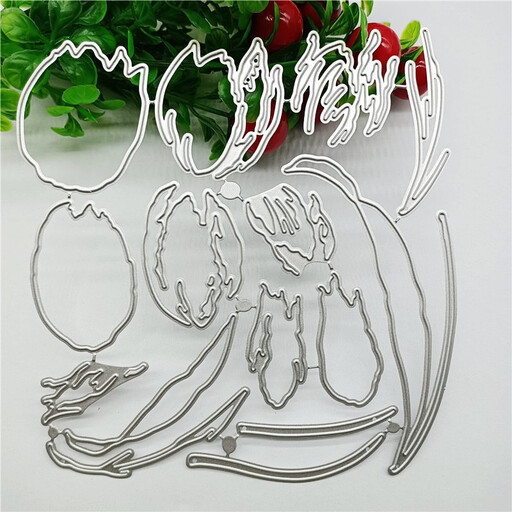
Why we chose it: To get started, nothing beats versatility. This set includes basic shapes and words like "Greetings," perfect for learning card making and scrapbooking without having to buy multiple sets.
The designs are simple enough to ensure a clean cut even for a novice, preventing the frustration of failed first attempts.
An excellent foundation for building a first collection of DIY scrapbooking tools with useful and reusable designs.
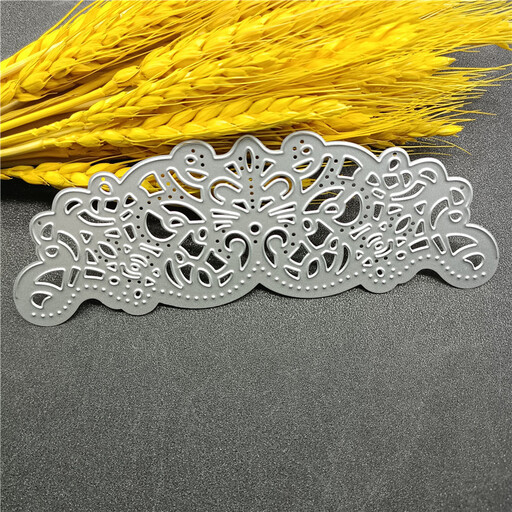
Why we chose it: Card-making enthusiasts look for flawless finishes. A border die like this one adds an instant touch of elegance to invitations, greeting cards, or announcements.
Designed for borders, this die ensures uniform pressure and a clean cut along the entire length, a common weakness in generic dies.
Allows you to create professional, detailed finishes, transforming a basic card into an exceptional creation.
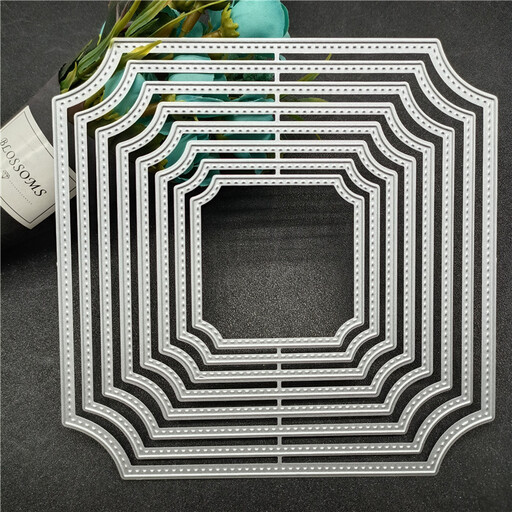
Why we chose it: Scrapbooking is the art of showcasing memories. A set of frames in different shapes and sizes is a major asset for creating dynamic layouts, framing photos, or layering elements.
Made from sturdy metal, this set is designed for heavy use. The dies won't warp, unlike entry-level models that bend after just a few passes.
Offers incredible versatility for album page composition, allowing you to create depth effects and highlight photos.
Explore our full selection of products that meet our strictest quality standards.
It's quite simple. After each use, use a small brush or a pick tool to gently remove any paper bits stuck in the crevices. For very fine designs, running a piece of wax paper through can help clean and lightly lubricate the die. Store them flat, ideally on magnetic sheets, to prevent them from warping or getting damaged.
Unfortunately, no, compatibility is not universal. It mainly depends on the width of the die and your machine. Most thin dies (known as "wafer-thin") are compatible with the majority of machines, but the best practice is to always check the dimensions before buying. Thicker dies (like "Bigz" types) require specific, more robust machines.
Absolutely. Many carbon steel dies can cut other thin materials. Depending on their quality and your machine, you can cut thin felt, vinyl, heat-transfer fabric, craft foam, or even thin metal sheets. It's wise to dedicate certain dies to more abrasive materials to avoid prematurely dulling the ones you reserve for paper.