
Livraison le jour même ou le lendemain

Qualité garantie

Débloquez vos offres de bienvenue: Livraison GRATUITE | Jusqu'à -80 % | 30 jours d'essai gratuits à JoyPlus
Téléchargez l'application
Scrapbooking and cardmaking are more than just hobbies?: they are the art of transforming a simple sheet of paper into a unique and personal creation. At the heart of this creative world, cutting dies are the essential tools for achieving clean, elegant shapes. But with such an overwhelming selection available, how can you avoid the common pitfalls that turn a promising purchase into a disappointment?? This guide reveals the key things to watch out for to invest in dies that will elevate your projects for years to come.
Before you check out, let's review the classic mistakes that can spoil the fun.
To ensure you never make a mistake again, focus on a few objective technical criteria. These are the true guarantors of quality for your future scrapbooking supplies.
The Manufacturing Material?: A die's sturdiness depends on its material. Opt for carbon steel dies. This alloy offers the best balance?: hard enough to guarantee a lasting sharp edge, but with just enough flexibility to withstand the machine's pressure without breaking. This ensures you get clean, crisp cuts, even on heavy cardstock.
Compatibility with Your Machine?: This is the number one rule?: before clicking "Buy," check that the die's dimensions are compatible with your machine (e.g., Sizzix Big Shot, Cricut Cuttlebug, etc.). A reputable product page will always list the exact dimensions. Take a minute to measure the opening width of your machine. This will ensure that the dies for your cutting machine you're considering will pass through without any issues.
The Difference Between Cutting and Embossing?: Be careful, not all dies are made for cutting! Some are embossing folders designed to create raised patterns on paper without cutting it. Double-check that the product's function matches your project?: do you want to cut out a shape for invitation making or simply add texture to a card background??
To illustrate these tips, here are a few concrete examples tailored to different creative profiles.
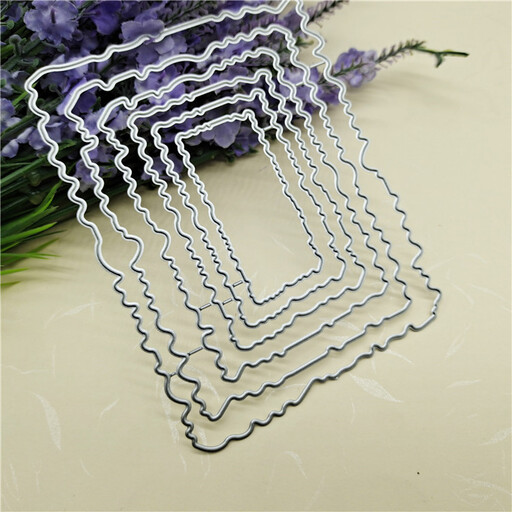
Why we chose it : Perfect for getting started, this set is incredibly versatile. Its various-sized frames allow you to create backgrounds, windows, or labels for any project, from a birthday card to a scrapbook page. It's a cost-effective core investment.
Made from carbon steel, it guarantees a clean, durable cut. Its simple shapes eliminate any risk during paper removal, even for a novice.
One set, endless possibilities for layering and framing. Essential for easily structuring your creations.

Why we chose it : Essential for adding a touch of elegance to wedding or christening invitations and the most refined greeting cards. This type of border die creates delicate finishes that instantly give your creations a professional look.
Despite its details, its open-work design makes it much easier to remove the paper without tearing, unlike solid and overly complex designs.
It transforms a basic card into a delicate piece. The border can be used on the sides, top, or bottom for varied designs.
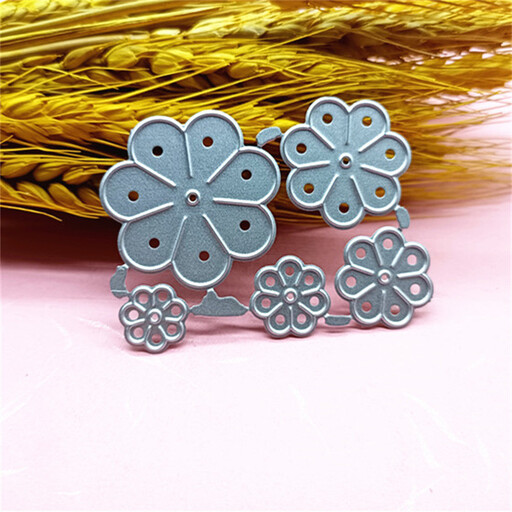
Why we chose it : For anyone who loves creating bouquets and botanical scenes, this kind of set is a must-have. It includes several dies (petals, centers, leaves) to be cut from different colored papers. Once assembled, they allow you to create 3D flowers with stunning depth and realism.
By relying on separate elements to be assembled, it bypasses the pitfall of a single, overly complex die. Each piece is easy to cut and remove; creativity comes from the assembly.
Limitless creativity. By playing with colors and layers, you can create an infinite variety of unique flowers for your albums and cards.
Discover our full selection of products that meet our criteria for quality and durability.
After each session, use a small brush or a fine-tipped tool to gently remove any stuck paper bits. For more stubborn residue, run a sheet of wax paper with the die through your machine. Store them flat, ideally on magnetic storage sheets, to prevent them from bumping into each other and getting damaged.
Most carbon steel dies can cut a wide range of thin materials?: standard paper, cardstock (up to about 250 gsm), vellum, adhesive vinyl, and even thin felt, foam, or cork. For thicker materials, you may need to run them through the machine multiple times.
If the cut is becoming less crisp, first try increasing the pressure by adding an extra sheet of cardstock to your cutting "sandwich." If the problem persists, your die is likely dull, a common issue with entry-level models used intensively. This is why investing in a carbon steel die from the start is a worthwhile investment in the long run.