
Livraison le jour même ou le lendemain

Qualité garantie

Débloquez vos offres de bienvenue: Livraison GRATUITE | Jusqu'à -80 % | 30 jours d'essai gratuits à JoyPlus
Téléchargez l'application
Personalisation is the very essence of paper crafting. Whether you're putting together a photo album full of memories, creating a unique greeting card, or making DIY wedding invitations, the right tool can transform a simple sheet of paper into a work of art. The cutting die is one of those tools that has become essential. But with the vast array of models available, it can be hard to know where to start.
This guide is here to help you see things more clearly. As the Head of Product Recommendations at Joybuy, I've put together a selection of standout models and some practical tips to help you find the die that will elevate your projects.
Before we dive into our selection, here are a few key points to guide your choice.
This is the number one criterion: compatibility. The good news is that most metal dies are universal and compatible with popular consumer-grade die-cutting machines (Sizzix, Artemio, and other leading brands). However, you should still check the die's dimensions to ensure it will fit through your machine. A die that's too wide would be completely unusable.
Here, it all comes down to your project and your inspiration.
Also, think about technique! Some dies don't just cut; they can also be used for embossing the paper to add relief and texture.
A highly detailed die promises a spectacular result, but it will require a more delicate touch during the cutting and removal process. For the most intricate designs, using a brush and a precision pick is essential to extract the small paper pieces without tearing your masterpiece. A carbon steel die is often a guarantee of durability and precision.
Here are a few models that stand out for their design and versatility, suitable for various card-making and scrapbooking projects.

Why it stands out: This die combines two highly sought-after elements: a decorative border and a floral pattern. Its design allows you to create remarkably fine page or card edges, instantly adding a sophisticated touch to any creation.
Its strengths:
Who is it for? This die is especially suited for those preparing DIY wedding invitations or wanting to create refined greeting cards. It will also delight scrapbookers who love to embellish their pages with delicate details.

Why it stands out: The rose is a timeless symbol. This set of card-making dies offers not one, but several sizes and shapes of roses and leaves. It gives you the freedom to unleash your creativity and compose bouquets and floral arrangements. Some elements can even be used for embossing.
Its strengths:
Who is it for? This is a must-have for all paper crafting enthusiasts. Whether you're a beginner or an expert, this type of floral die will always have a place in your projects, from the simplest to the most ambitious.
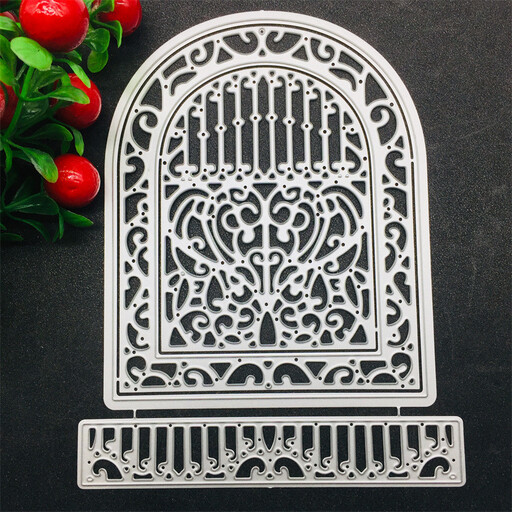
Why it stands out: This die is unconventional with its architectural element. It allows you to create a "window" on a card for a guaranteed surprise and depth effect. The shutters open to reveal a message or an image, making the creation wonderfully interactive.
Its strengths:
Who is it for? This model is for those who want to take personalisation a step further and create cards with a "wow" factor. It's perfect for greeting cards (Christmas, Easter), moving announcements, or for framing a photo in a scrapbook album.
The possibilities offered by cutting dies are nearly endless. If the models in our selection don't quite match your current project, know that there is a myriad of other shapes and themes available.
To explore a wider range of floral and botanical designs, feel free to browse our complete category.
? Explore Our Entire Floral Die Collection
A cutting die is a metal tool that, when passed through a machine, cuts the paper to extract a precise shape. The result is a clean-cut piece. A stencil, on the other hand, is usually made of plastic; it doesn't cut the paper but serves as a guide for applying ink, paint, or texture paste through its openings.
The vast majority of thin metal dies are compatible with popular manual die-cutting machines. The rule of thumb: always check that the width of the die is smaller than that of your machine. The stack of cutting plates (the famous "sandwich") may vary slightly from one machine to another; simply refer to your device's manual.
To ensure their longevity, clean them after each use, especially if small bits of paper get stuck. A stiff-bristled brush or a precision pick will help you dislodge them. For storage, keep them flat (on magnetic sheets is ideal!) to prevent them from bending and to find them at a glance.